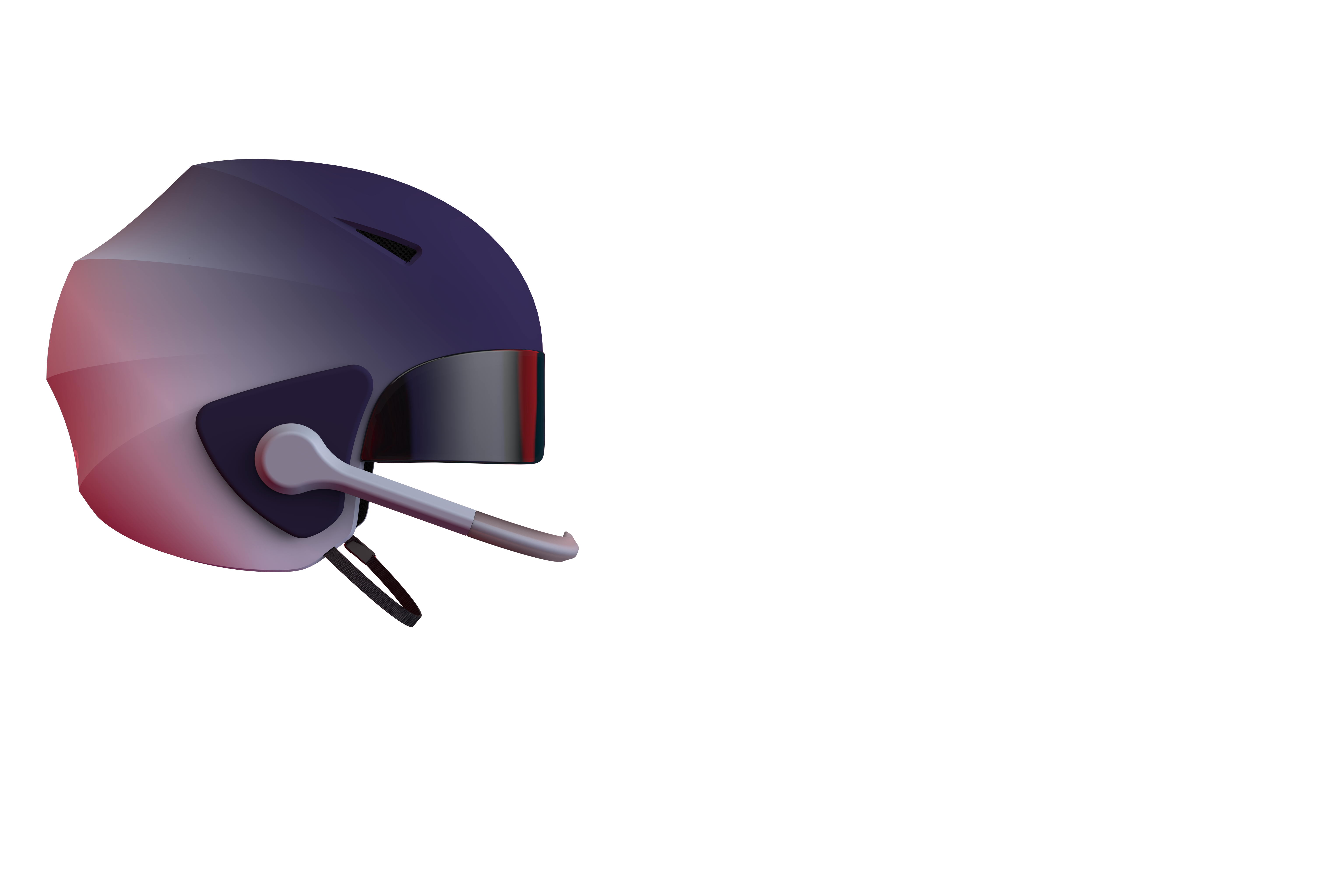

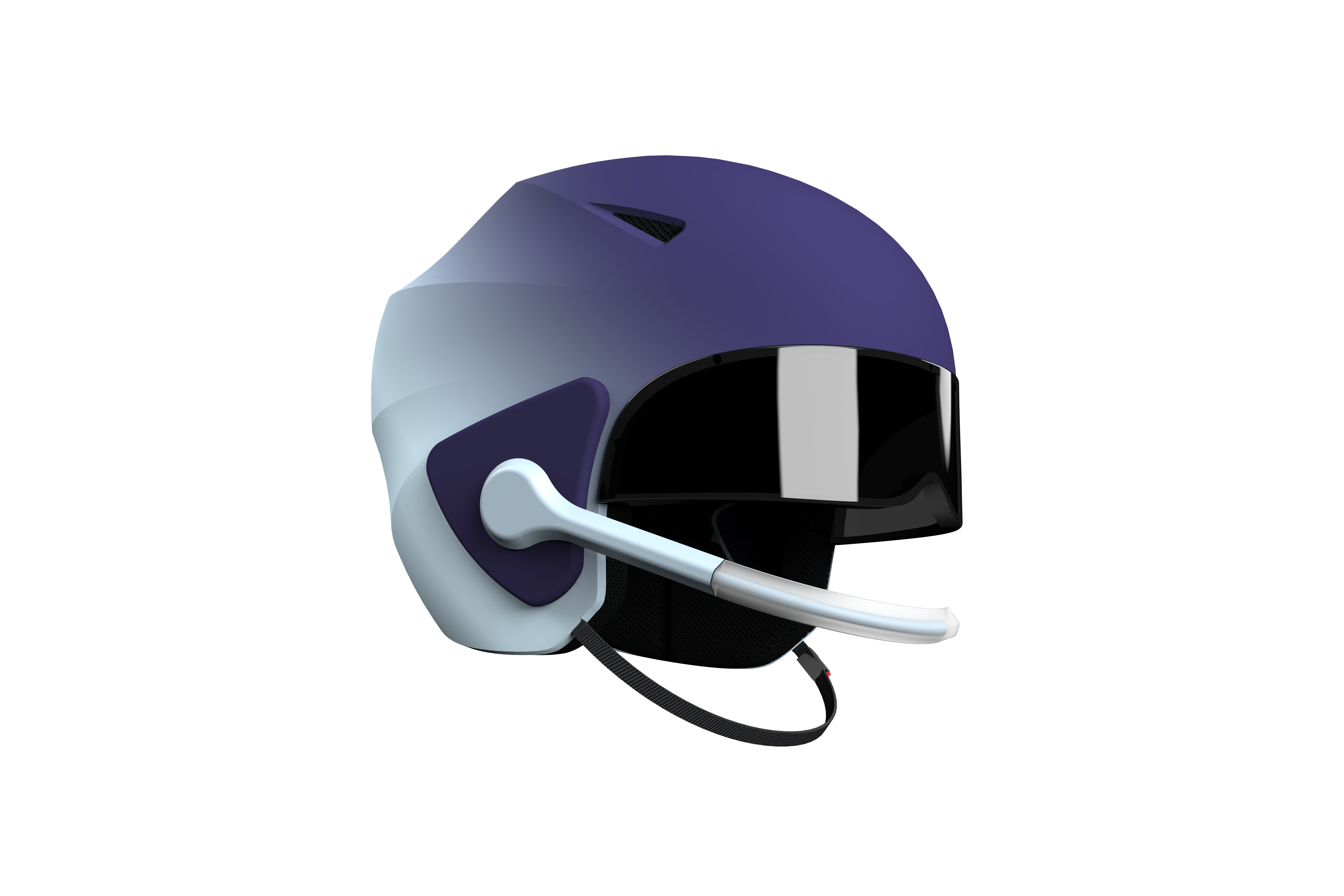
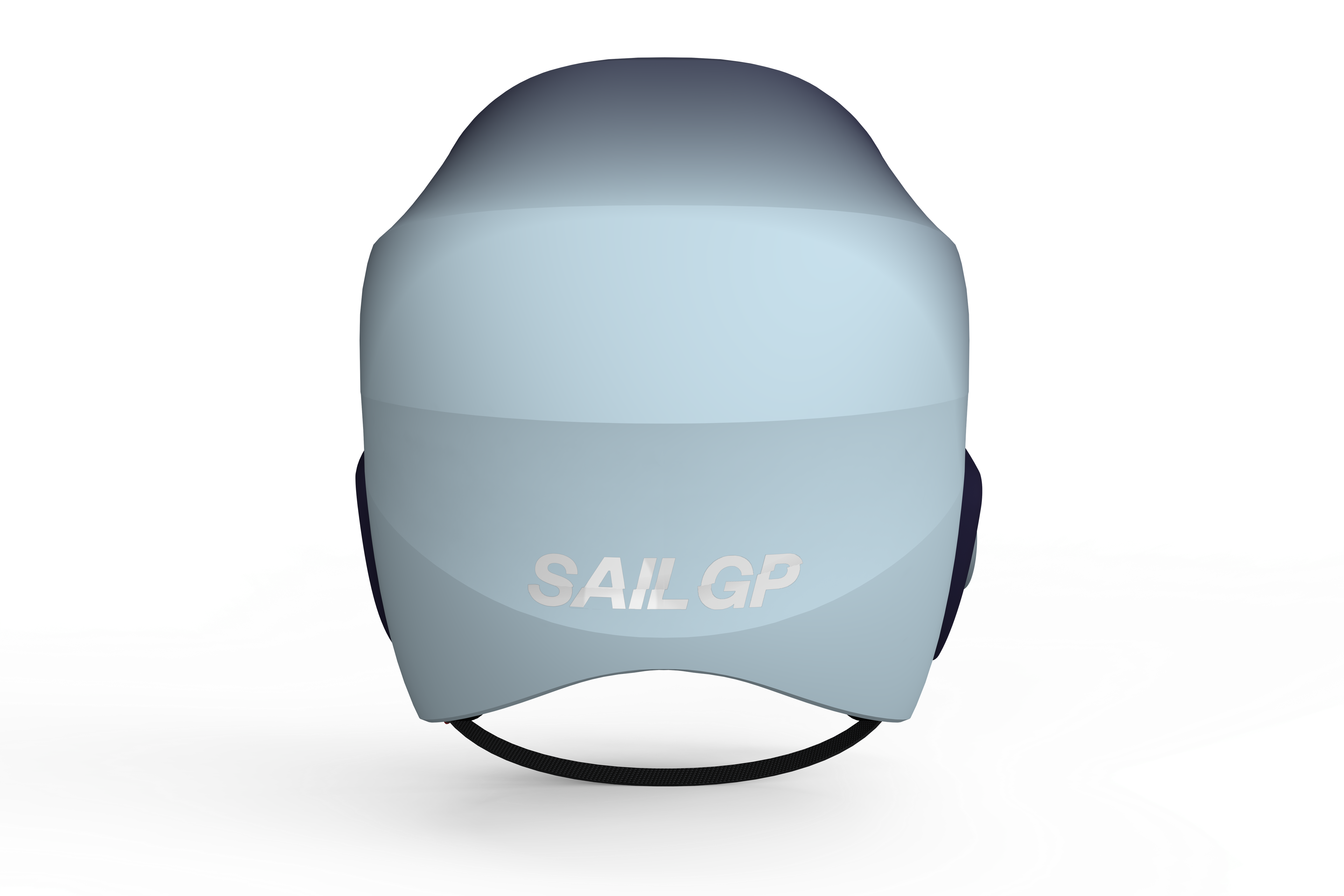
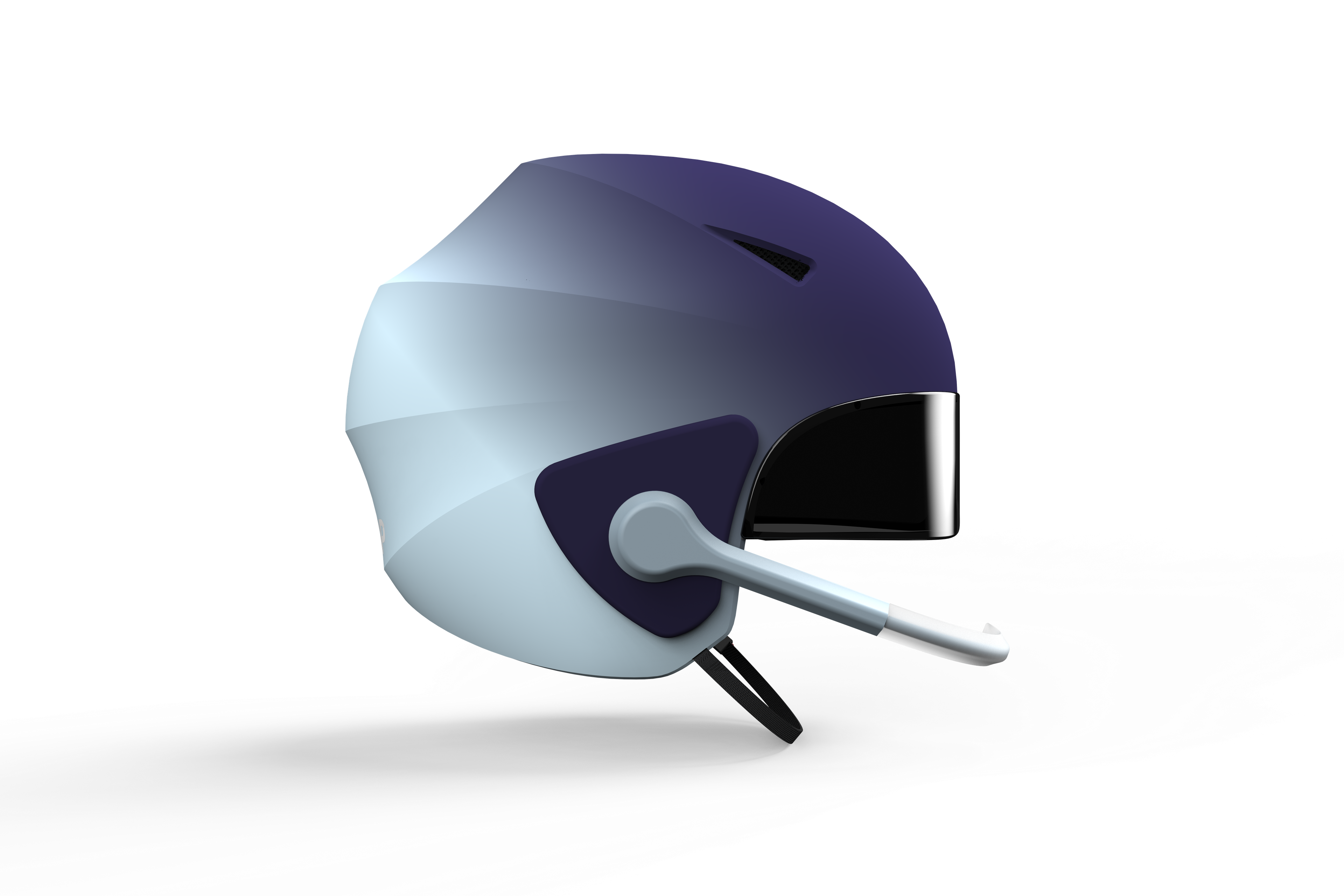
A sculpted sailing helmet specialized for the high-risk sailing performance of SailGP athletes.
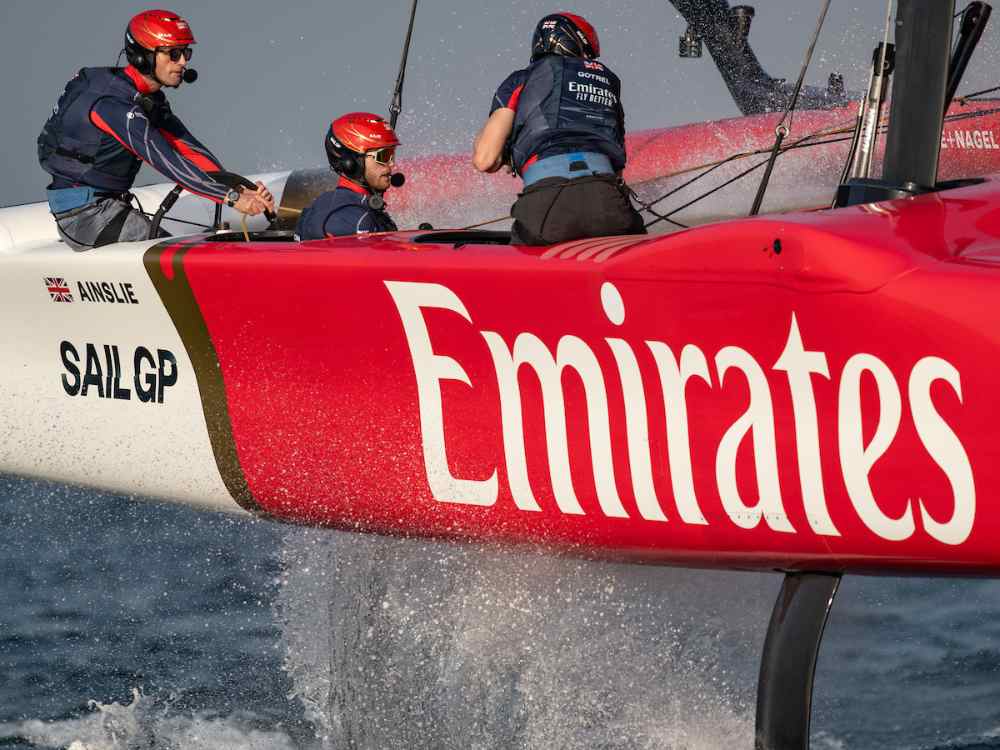
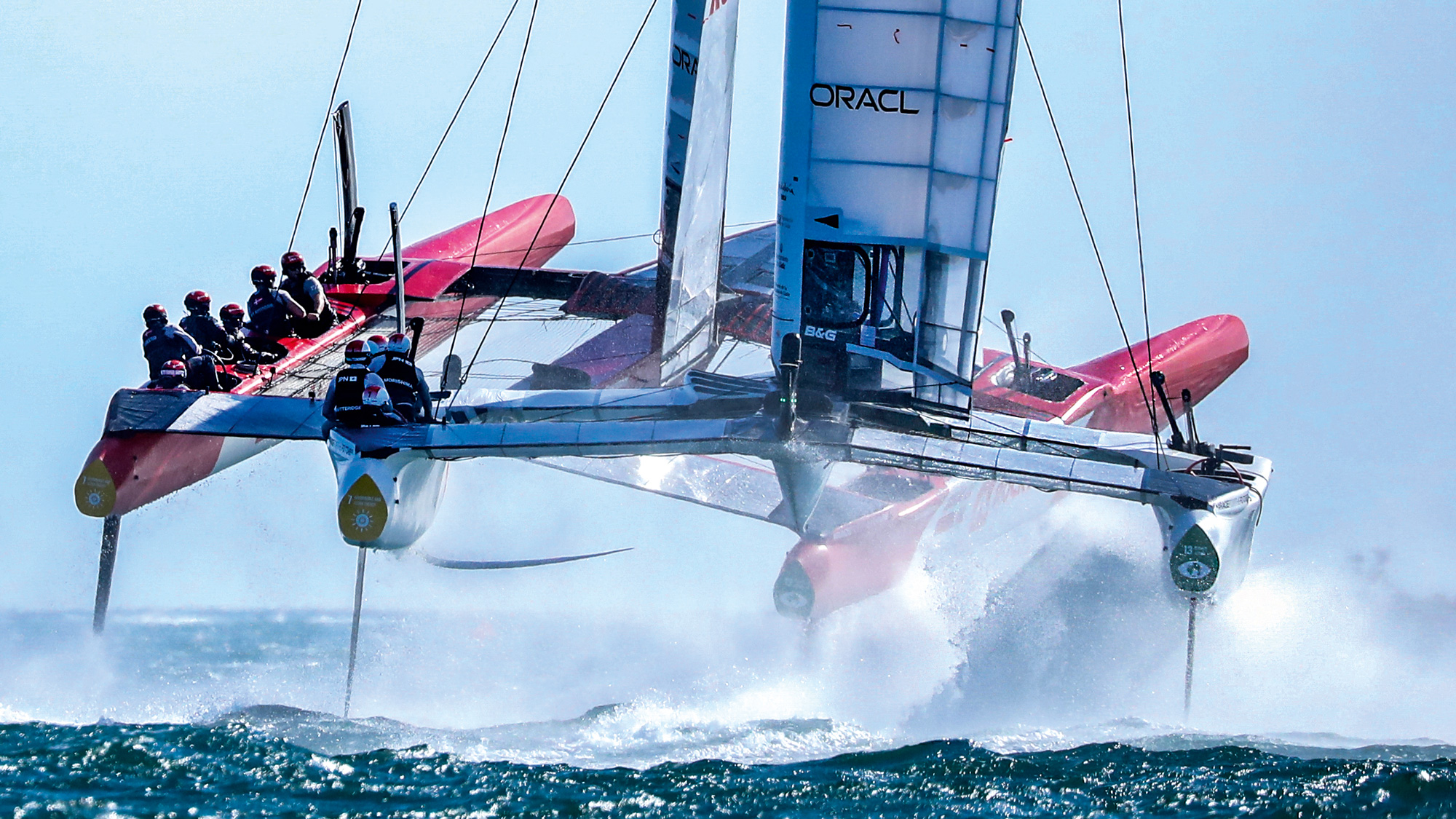
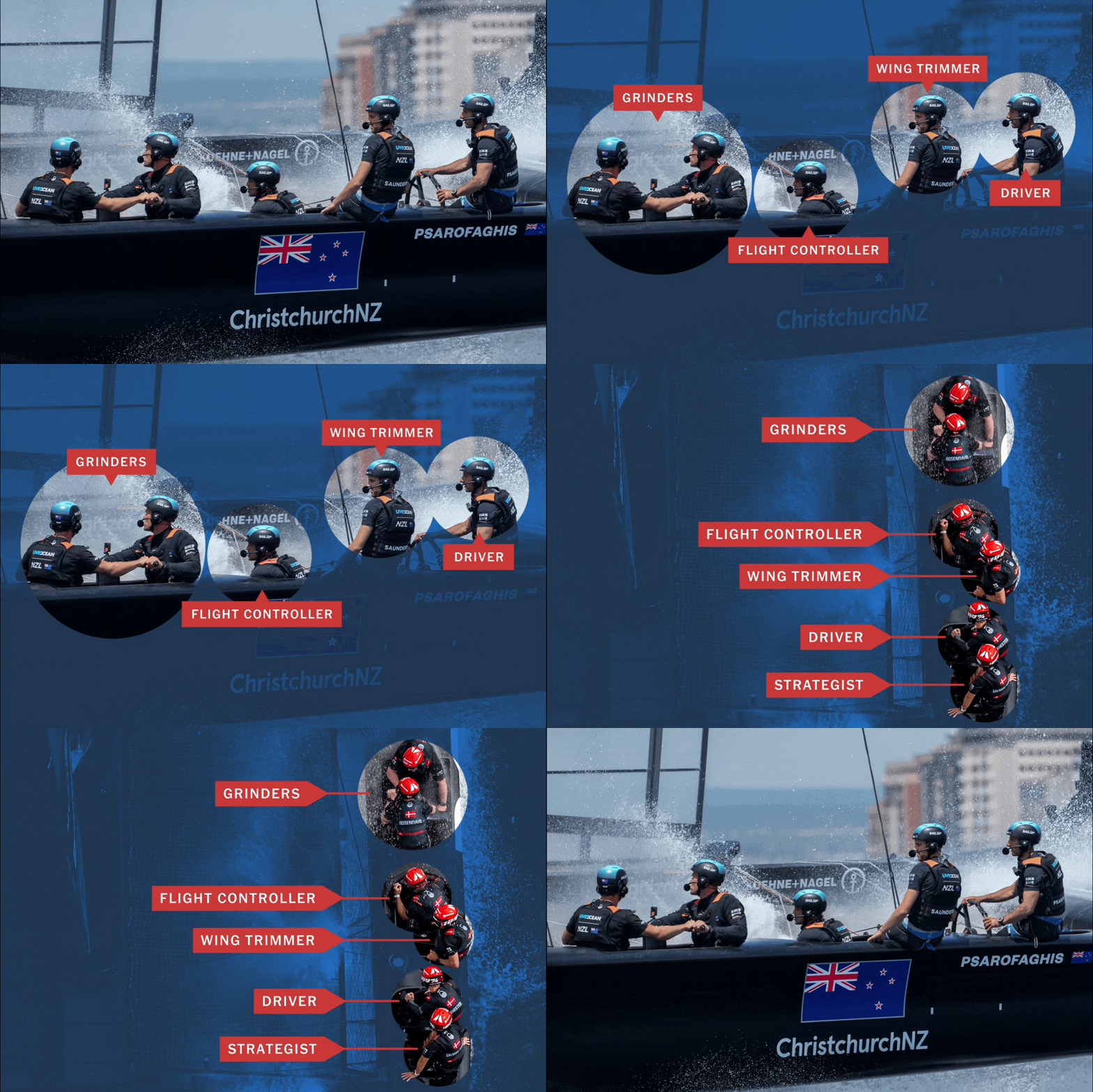
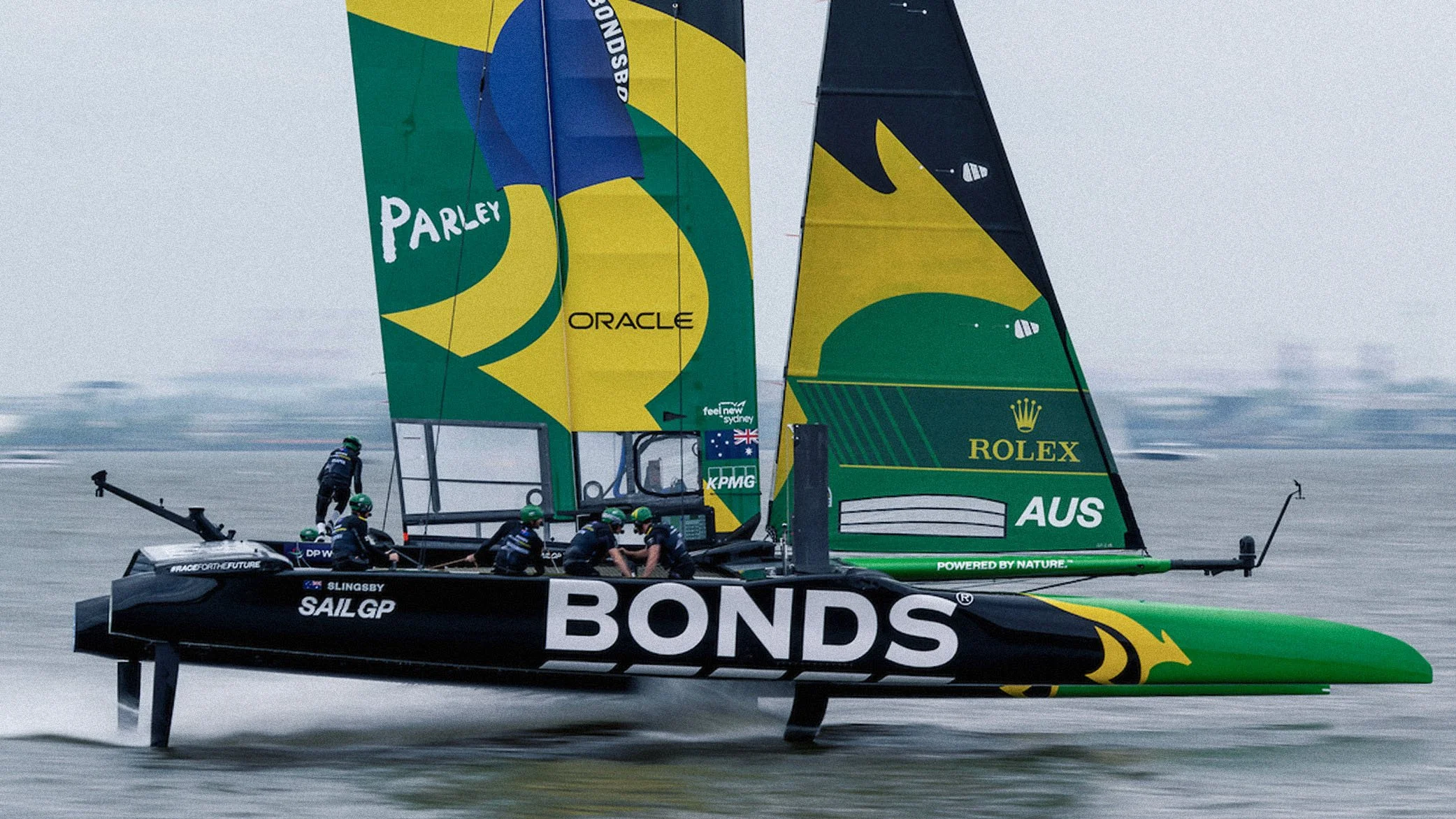
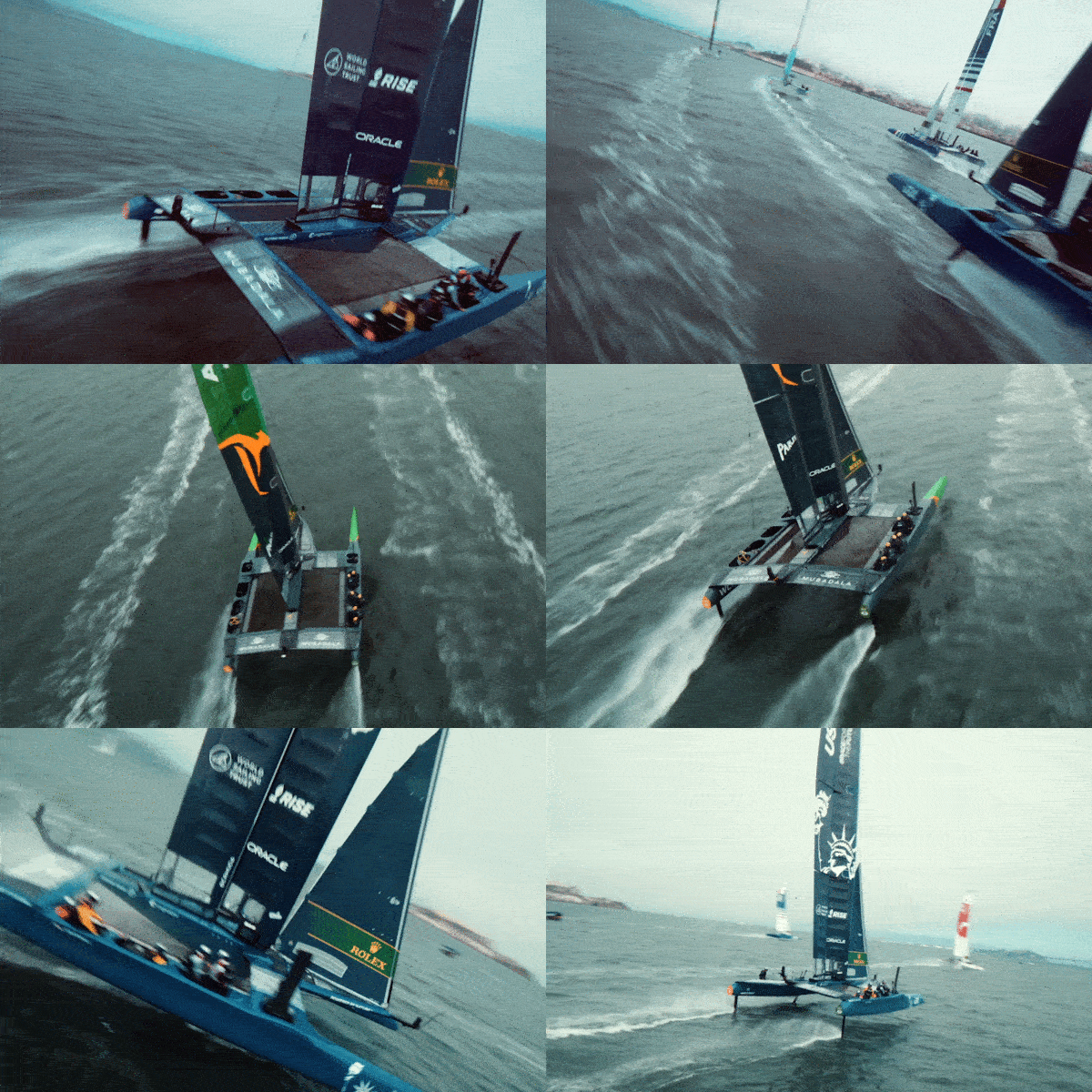
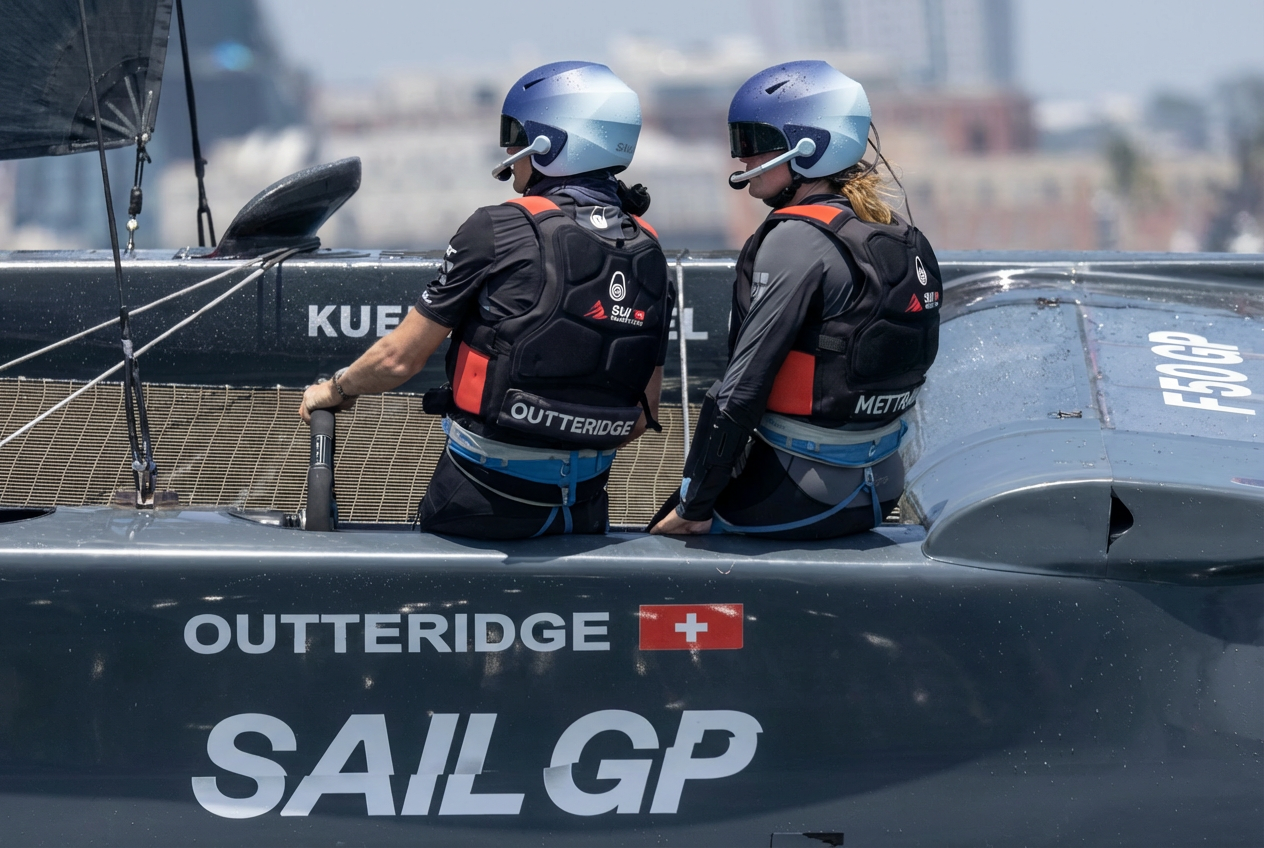
SailGP is the most advanced sailing fleet racing series in the world. Boats travel over 3× faster than the wind — up to 104 km/h — and mark-rounding speeds expose sailors to up to 3Gs of g-force.
The all-carbon F50 catamarans use hydrofoils to fly above the water, making them some of the most maneuverable and volatile boats on the planet.
SailGP is the Formula 1 of sailing.SailGP boats are at the cutting edge of sailing technology — yet the athlete safety systems haven't evolved at the same pace.
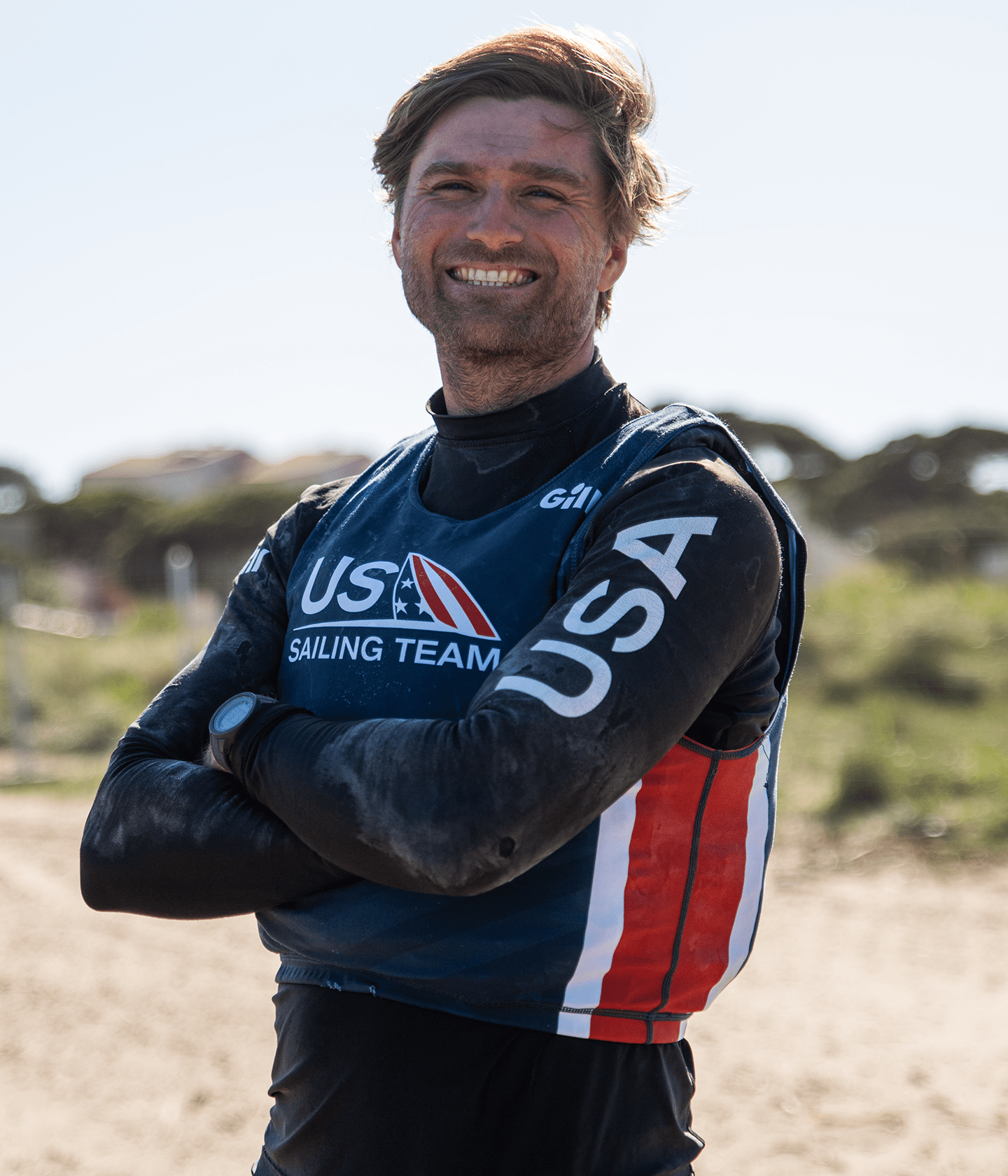
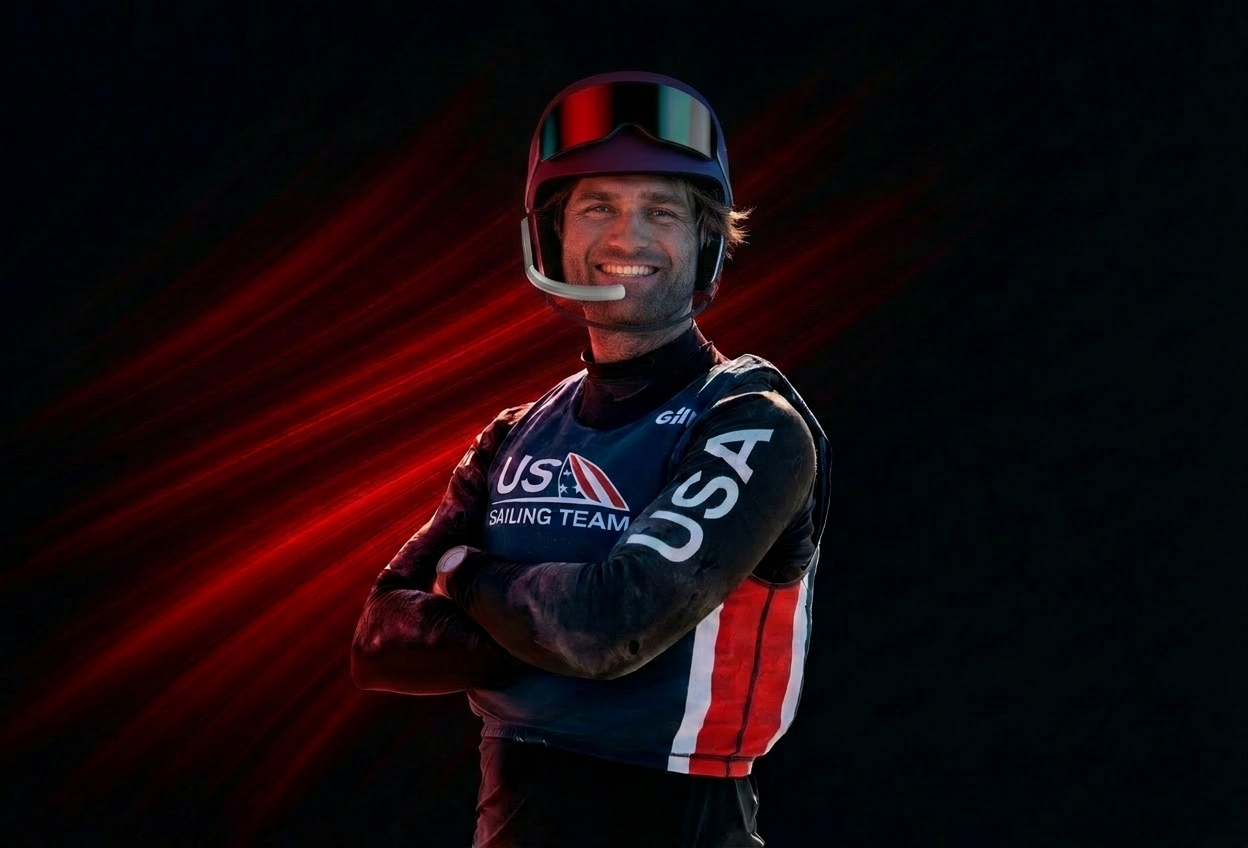
Age 26
Hans is known for his athletic power, calm competitiveness, and analytical approach to performance. Off the water, he brings a systems-minded perspective to training, teamwork, and gear — focused on marginal gains and long-term development.
Hans worked with me throughout the design process, providing key insights into the sport's demands and where current safety gear falls short.
The head becomes the convergence point of protection, communication, and visibility.
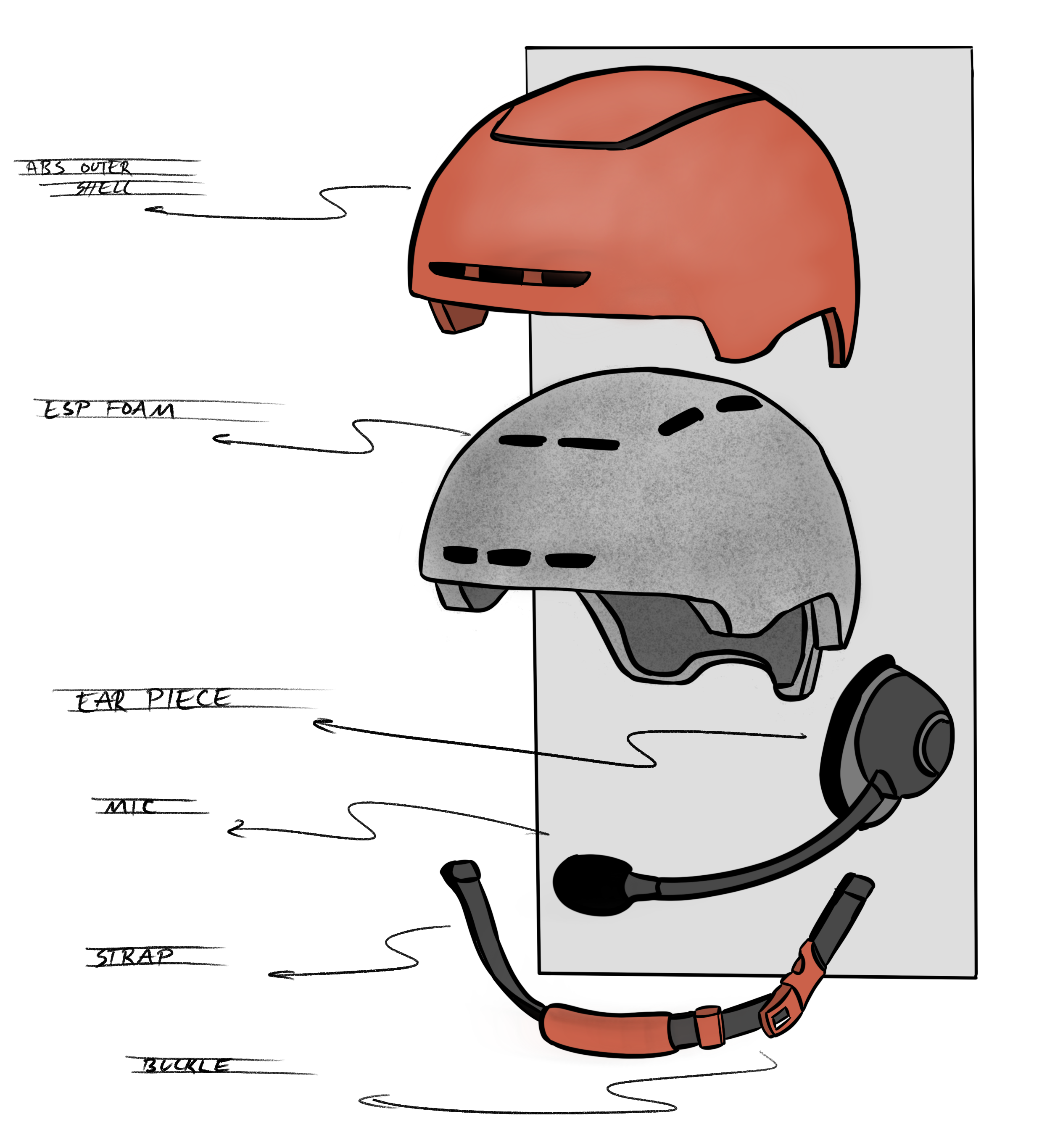
SailGP sailors need a purpose-designed helmet system that integrates protection, communication, and visibility while enabling athlete-specific fit and circular design strategies.
Function
User Experience
Weather
Sustainability
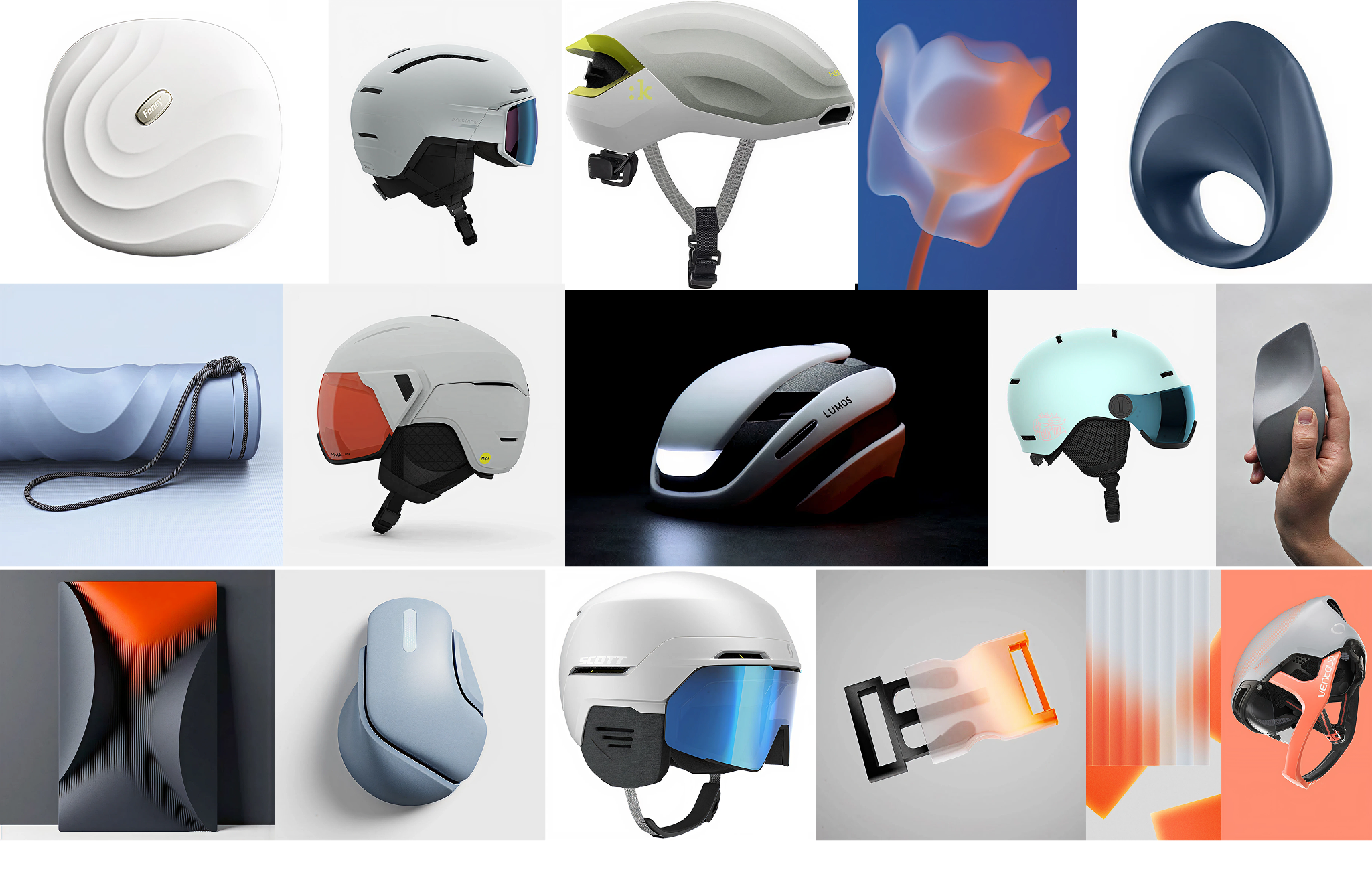
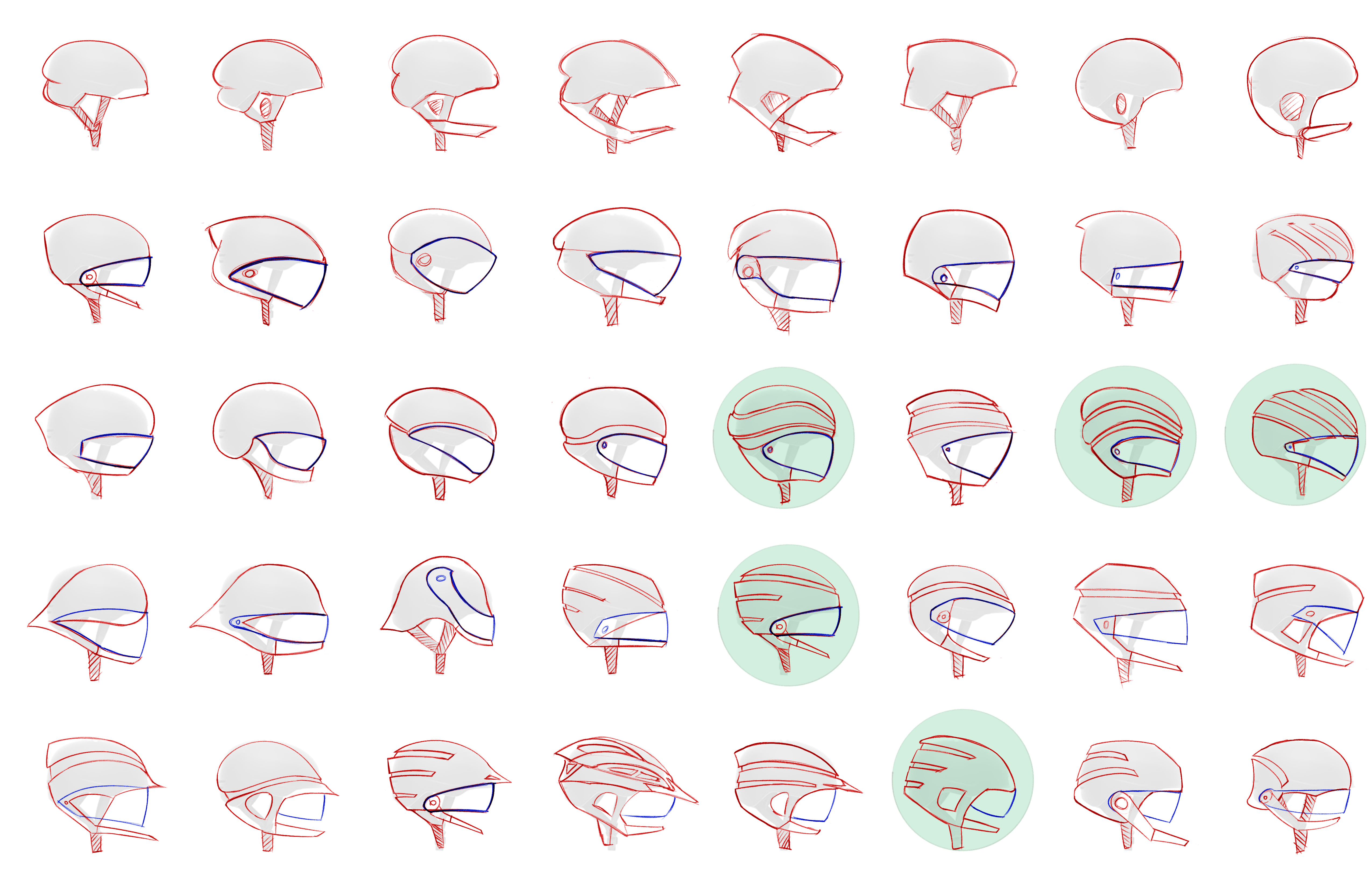
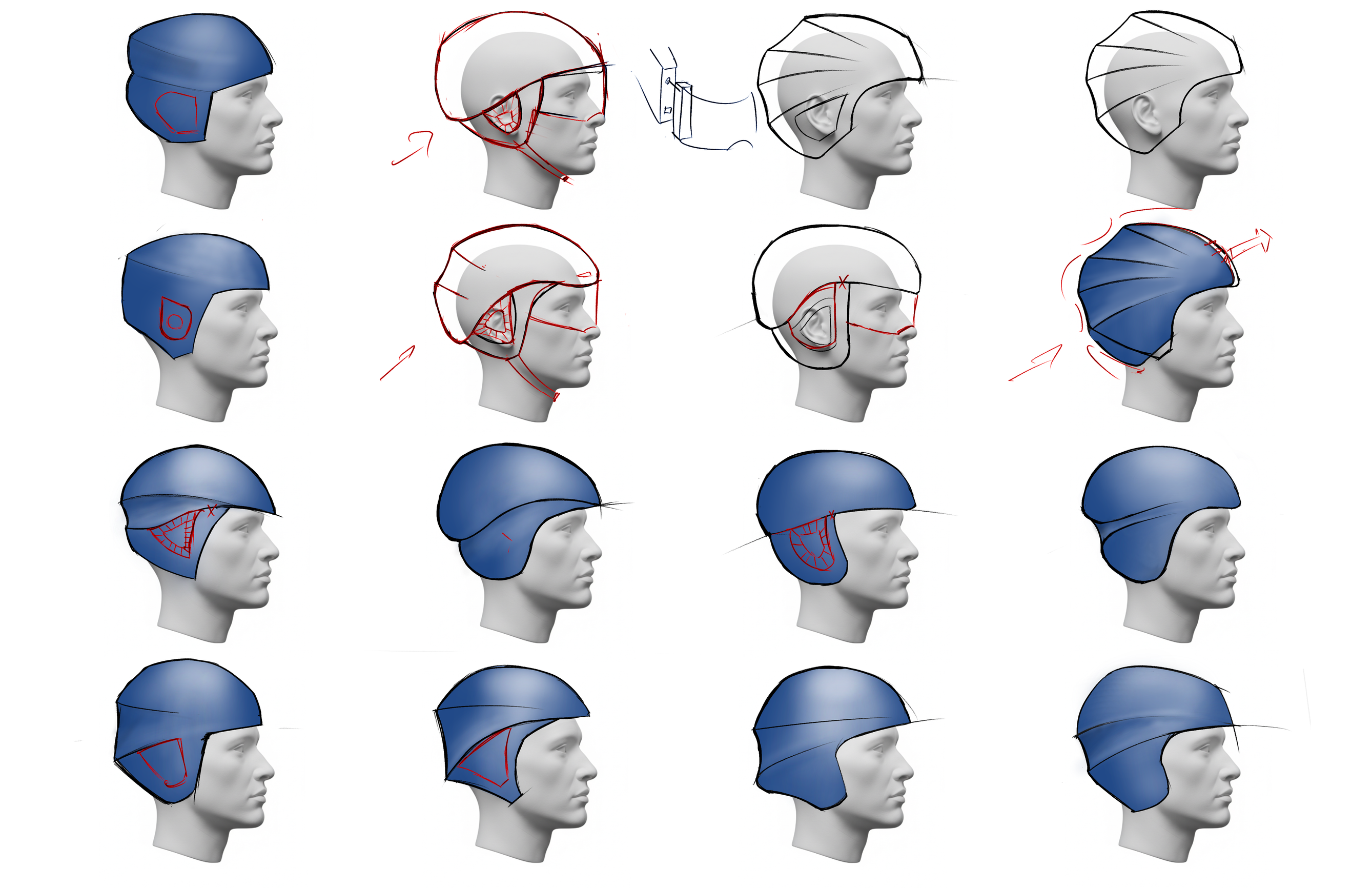
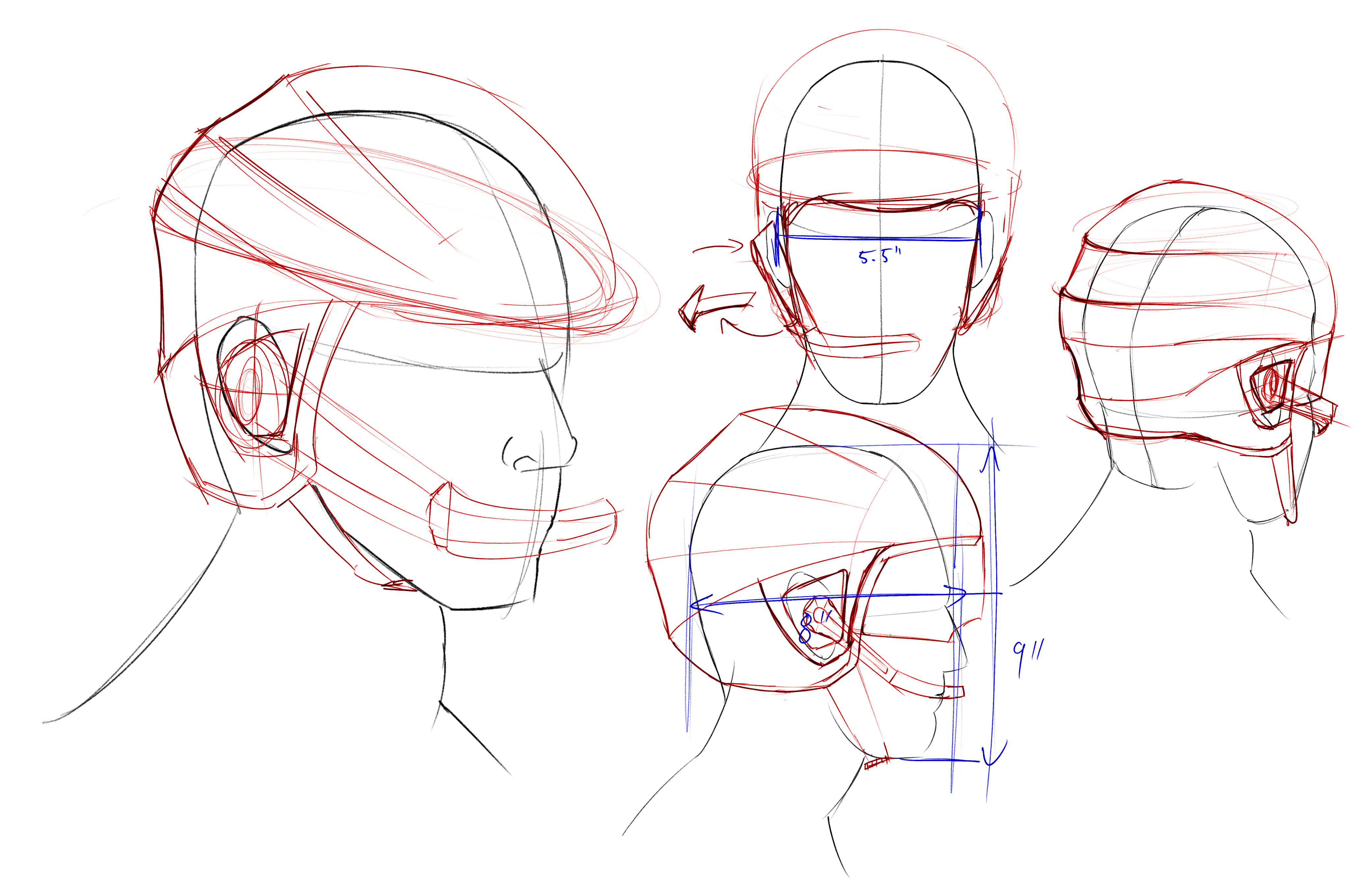
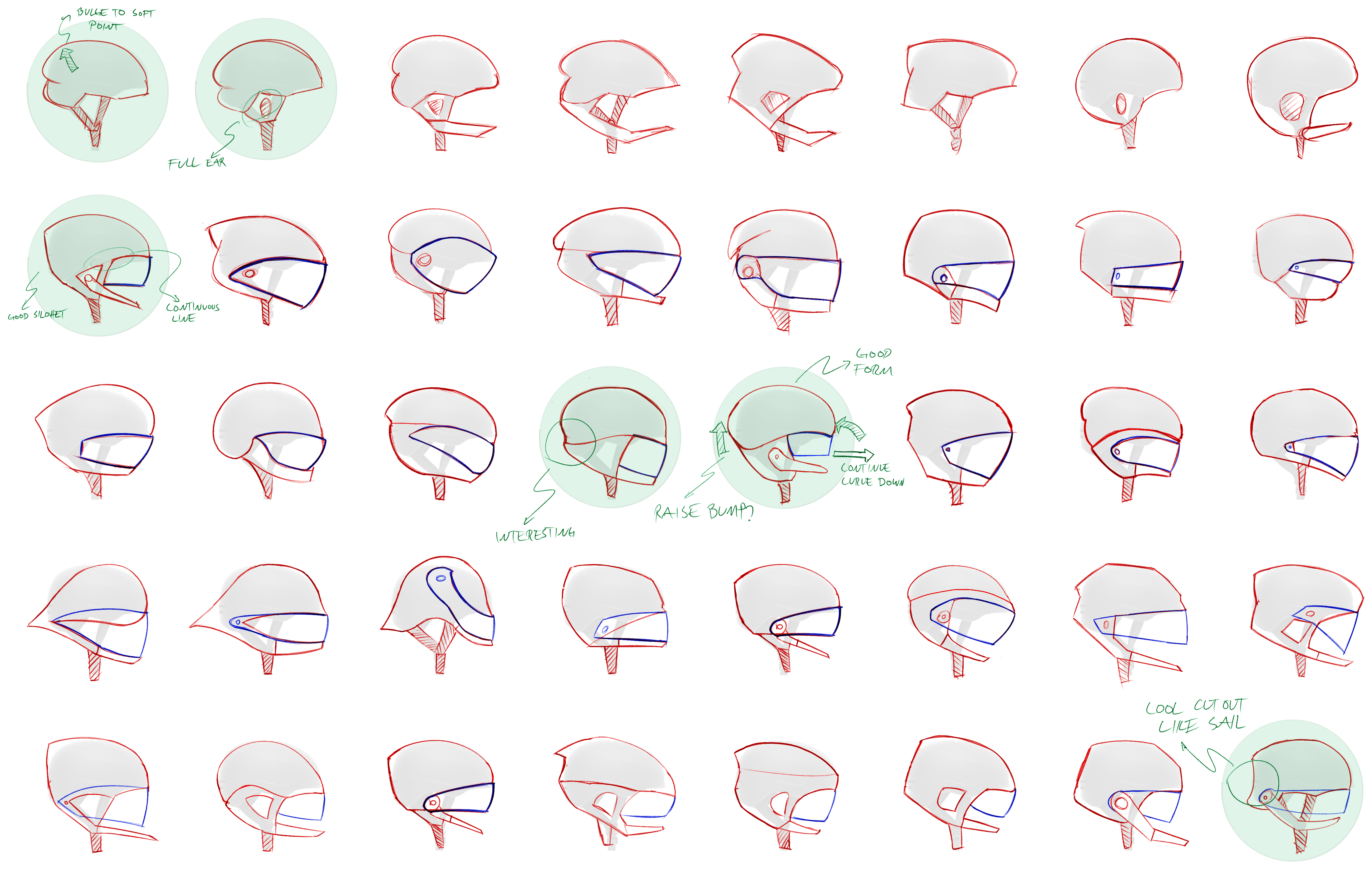
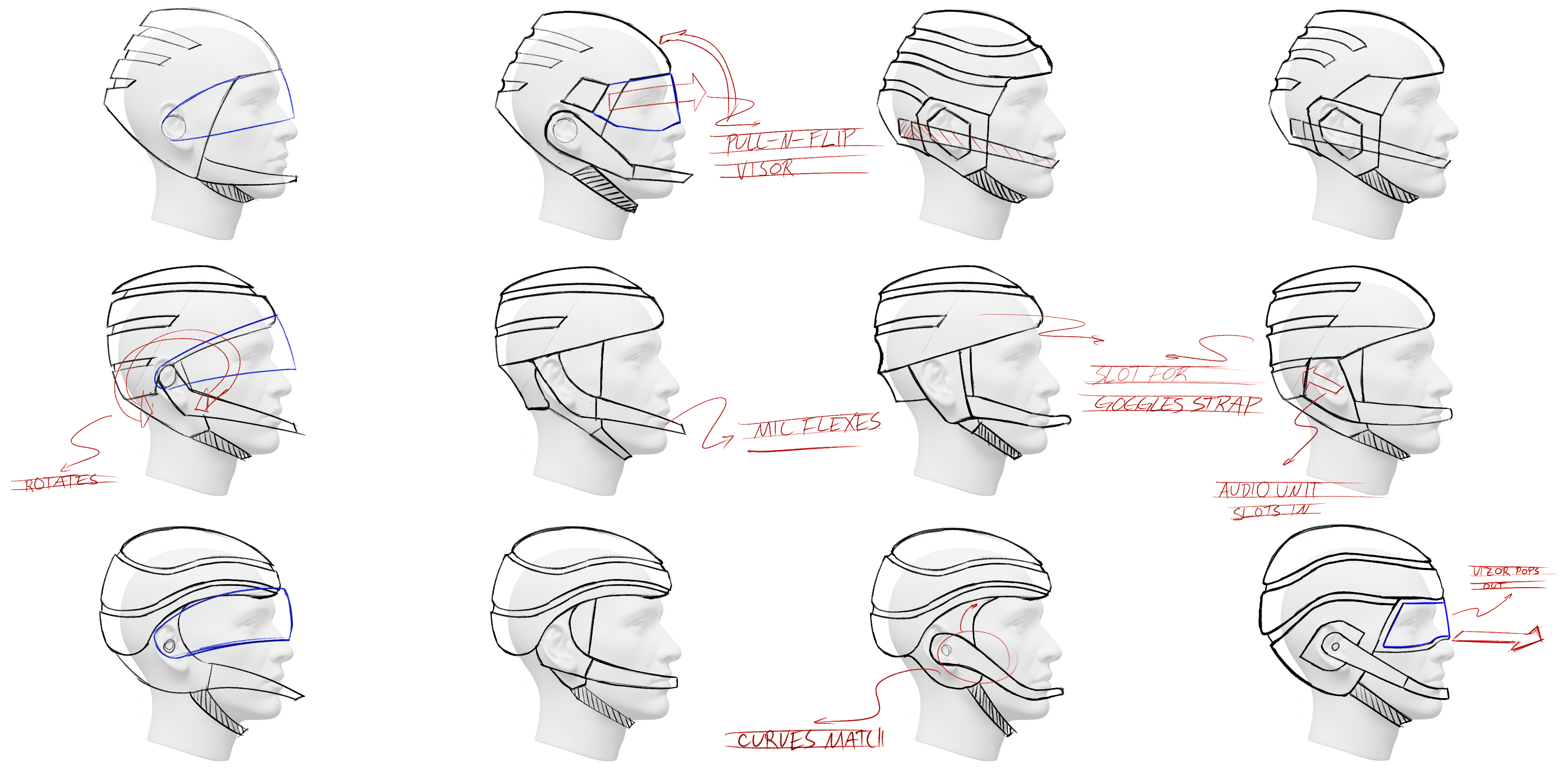
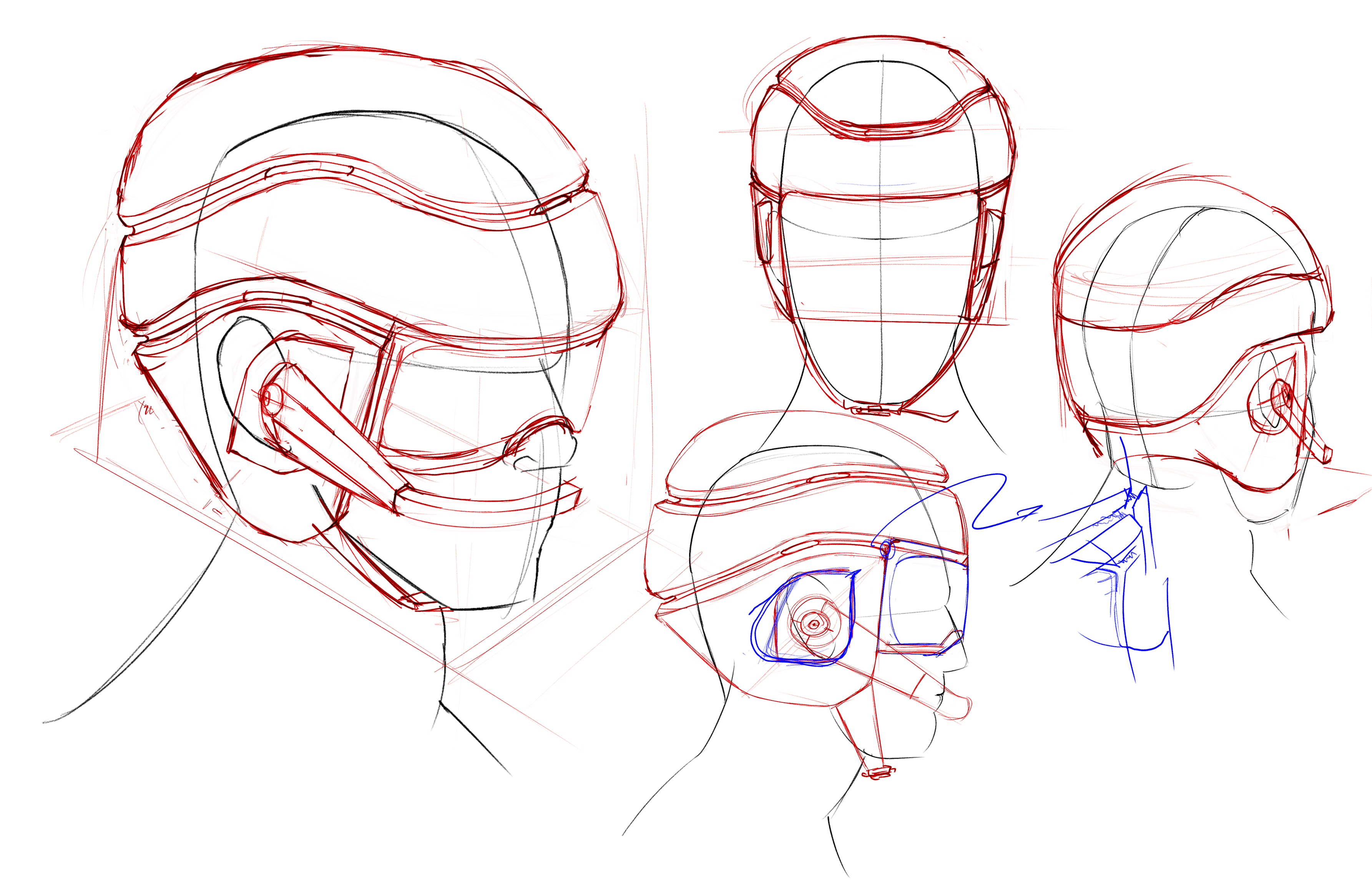
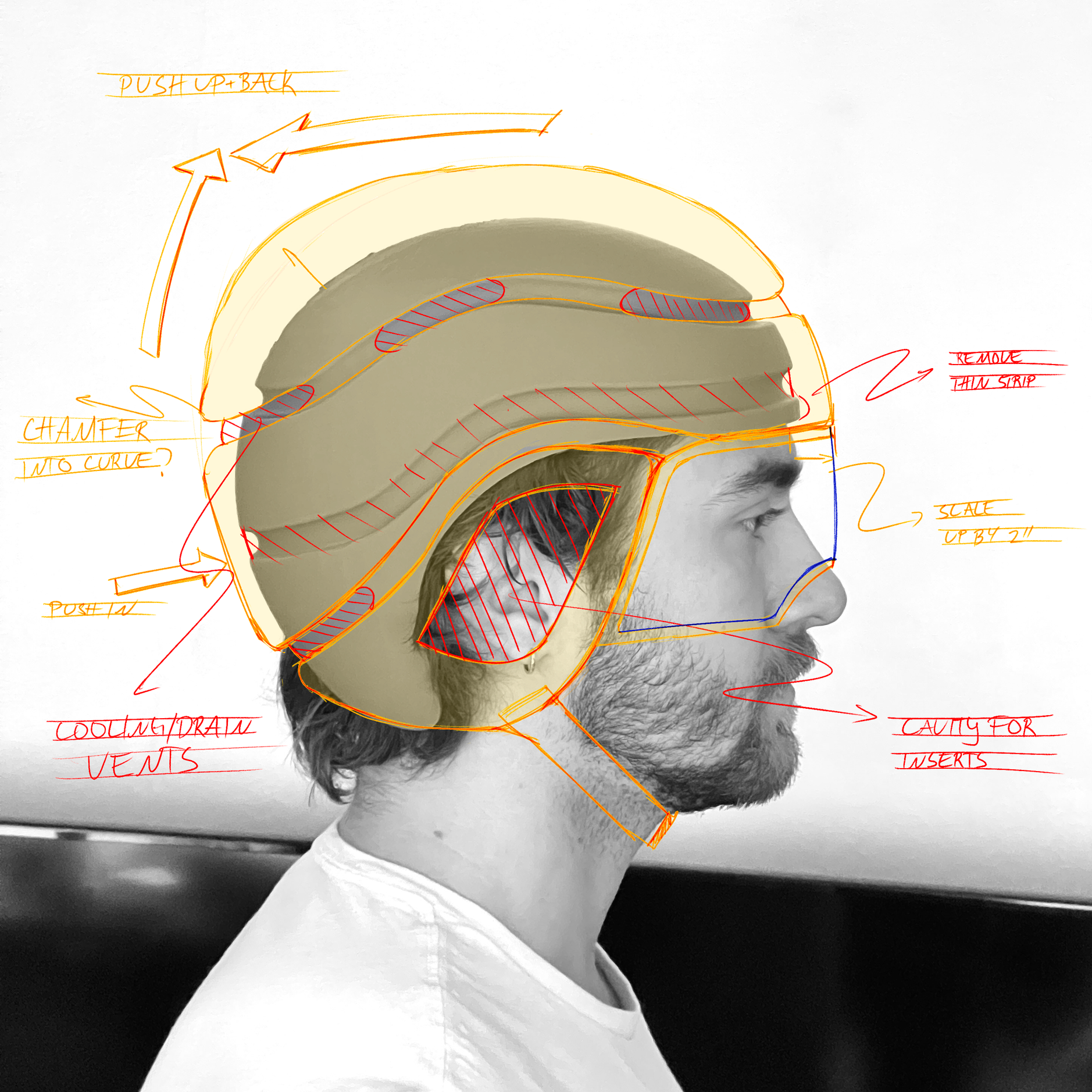
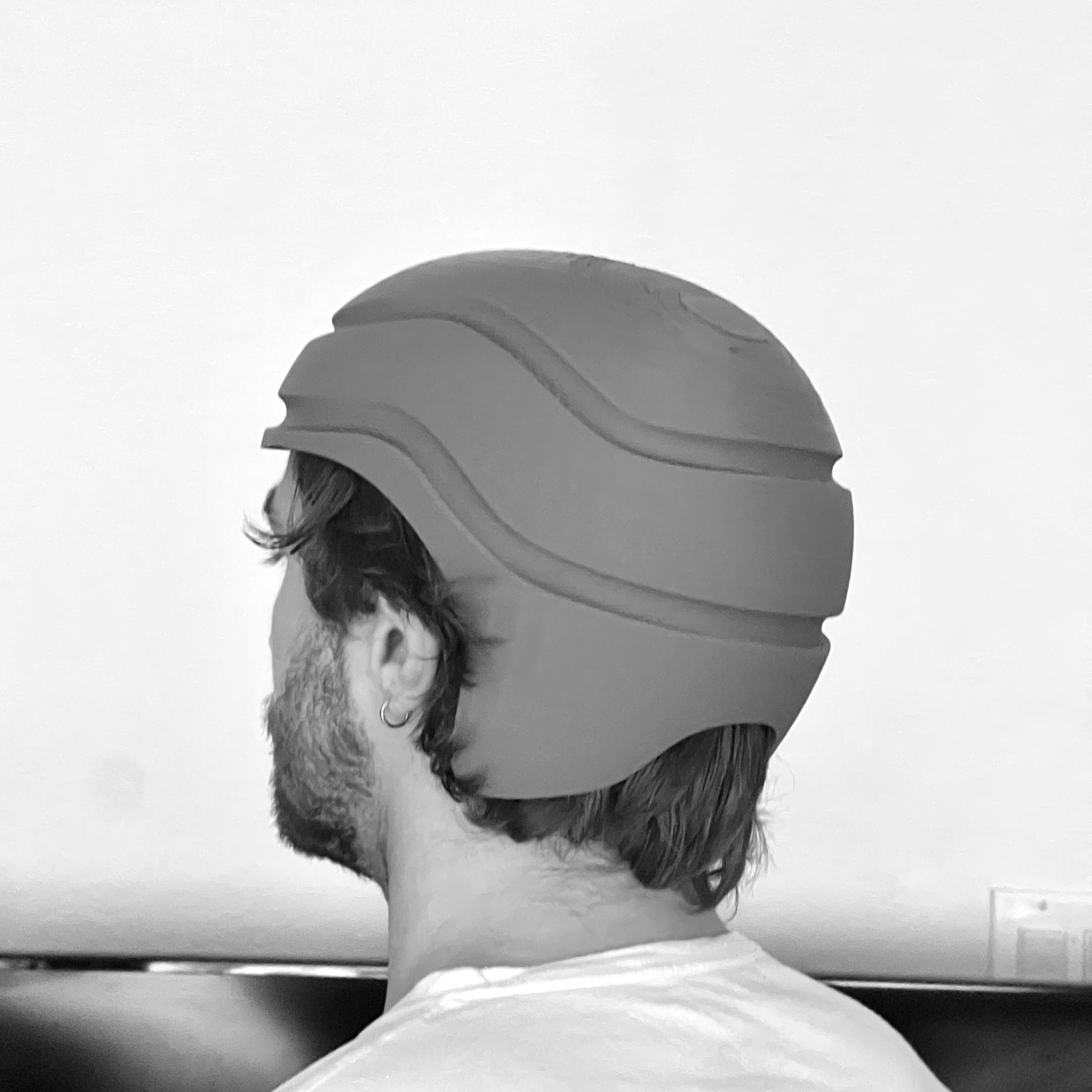
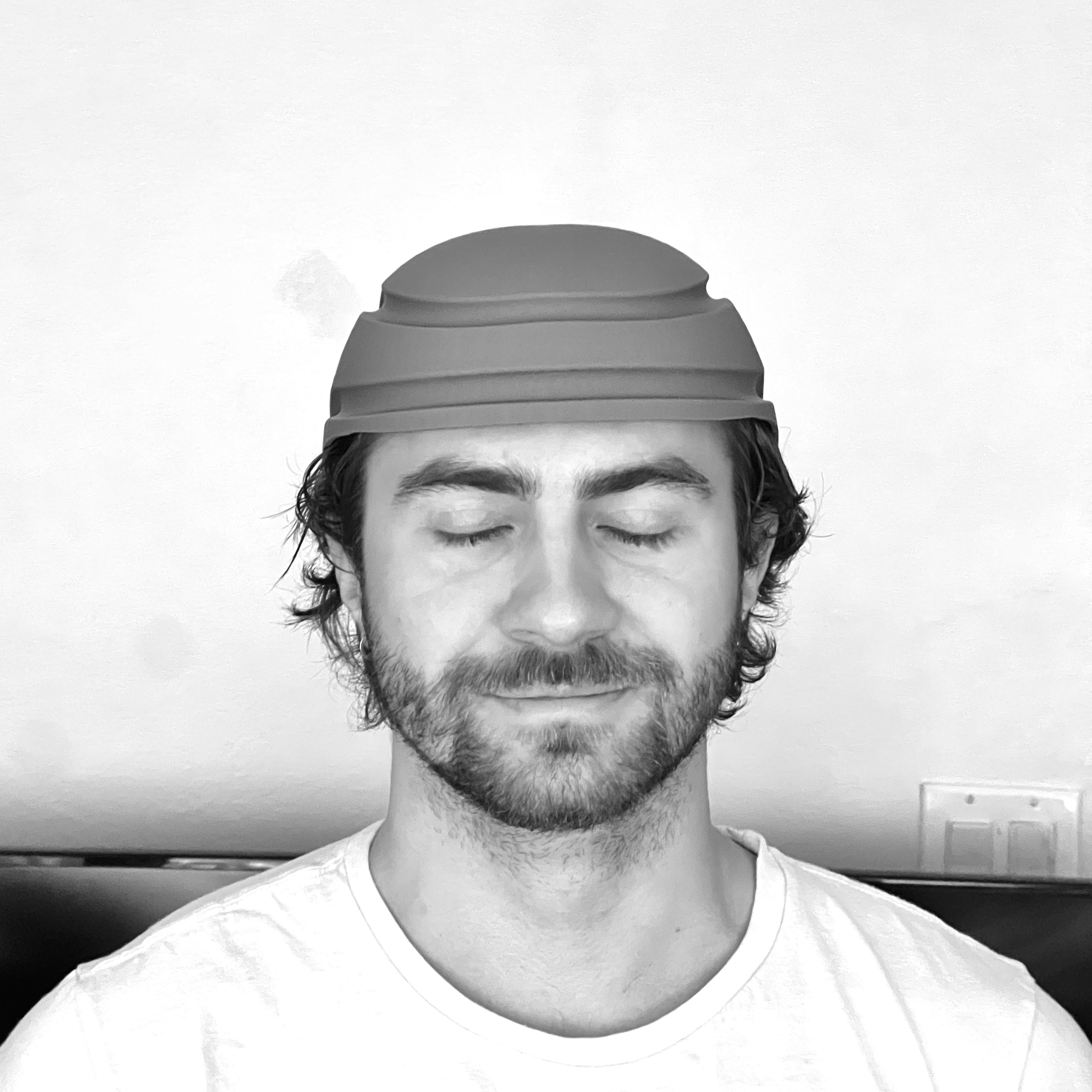
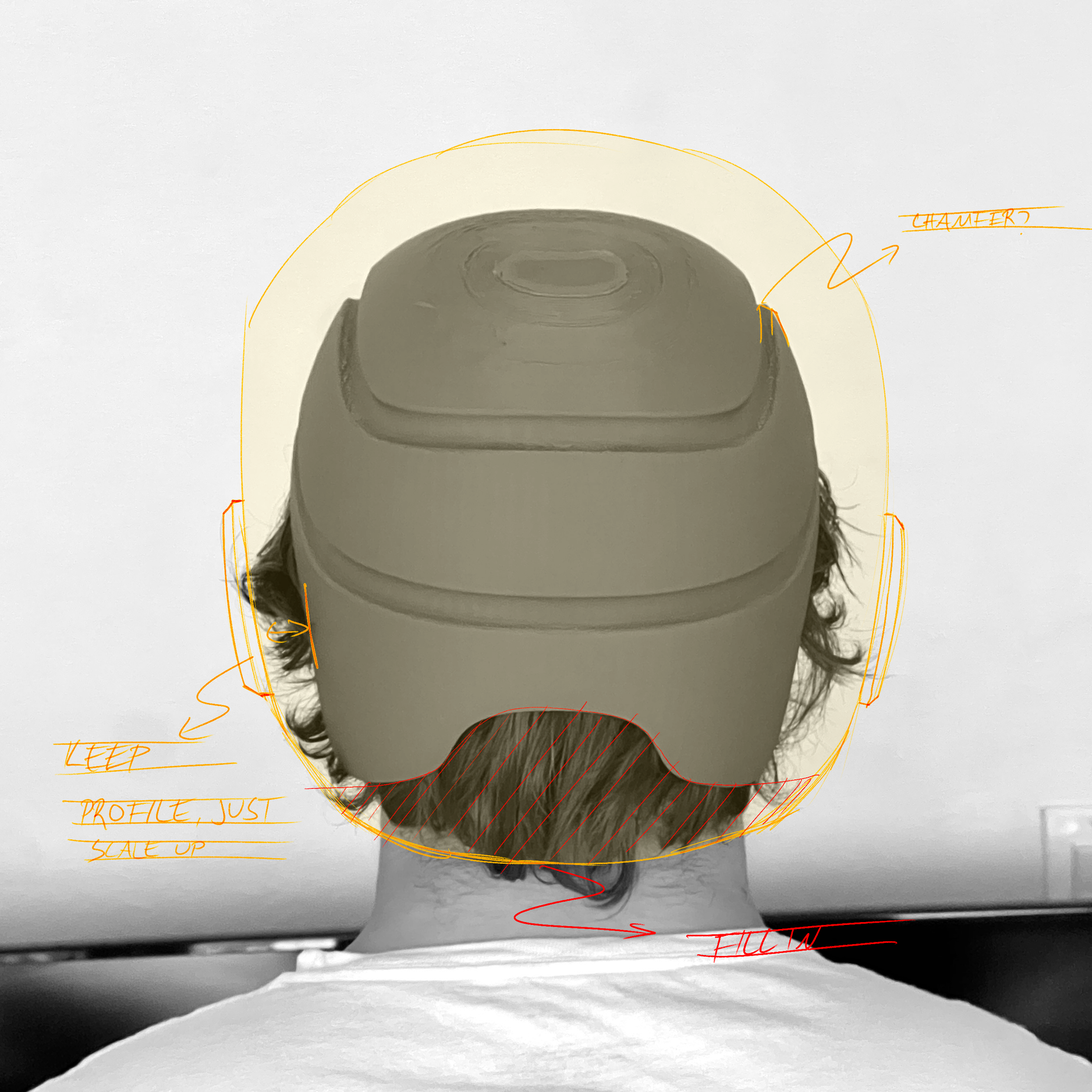
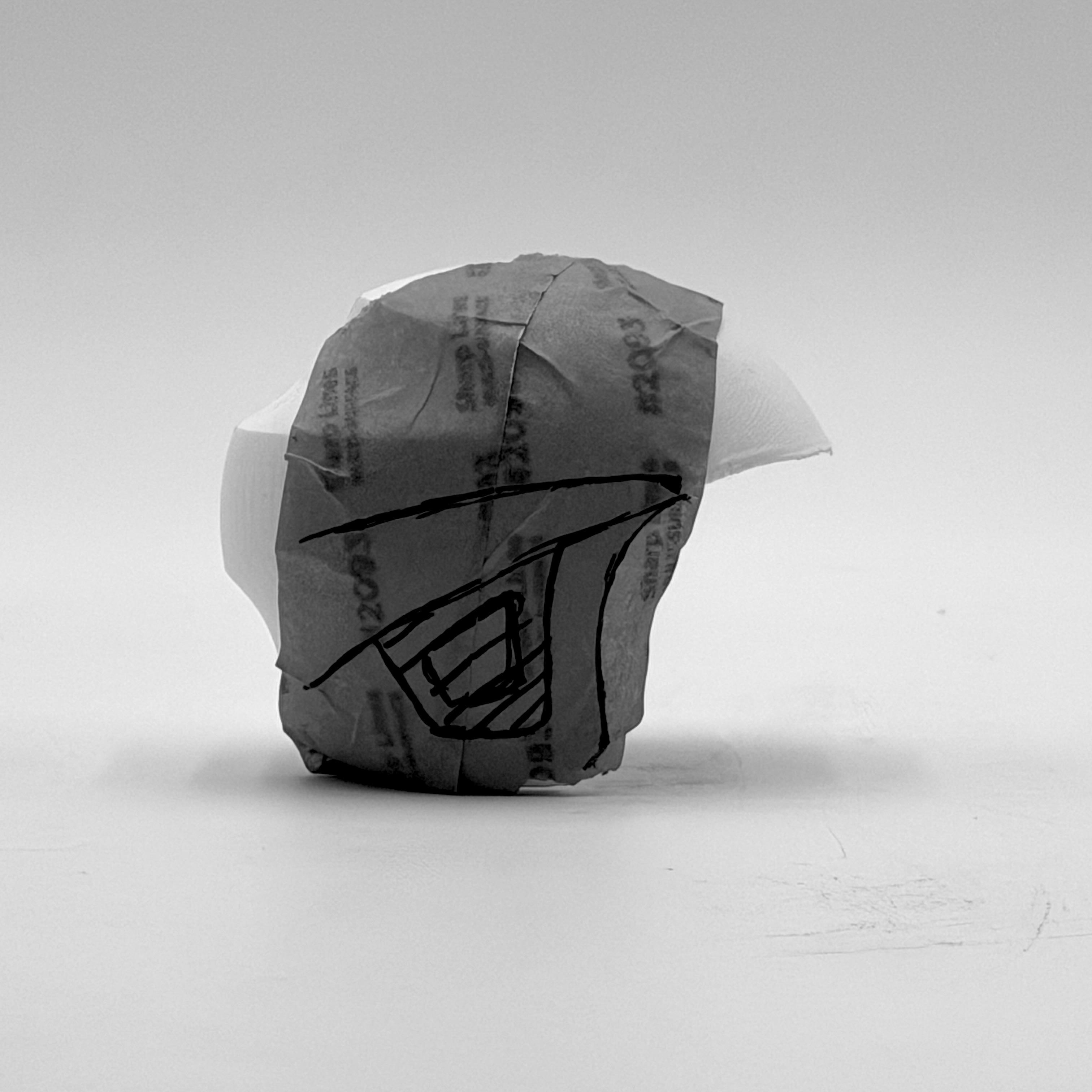
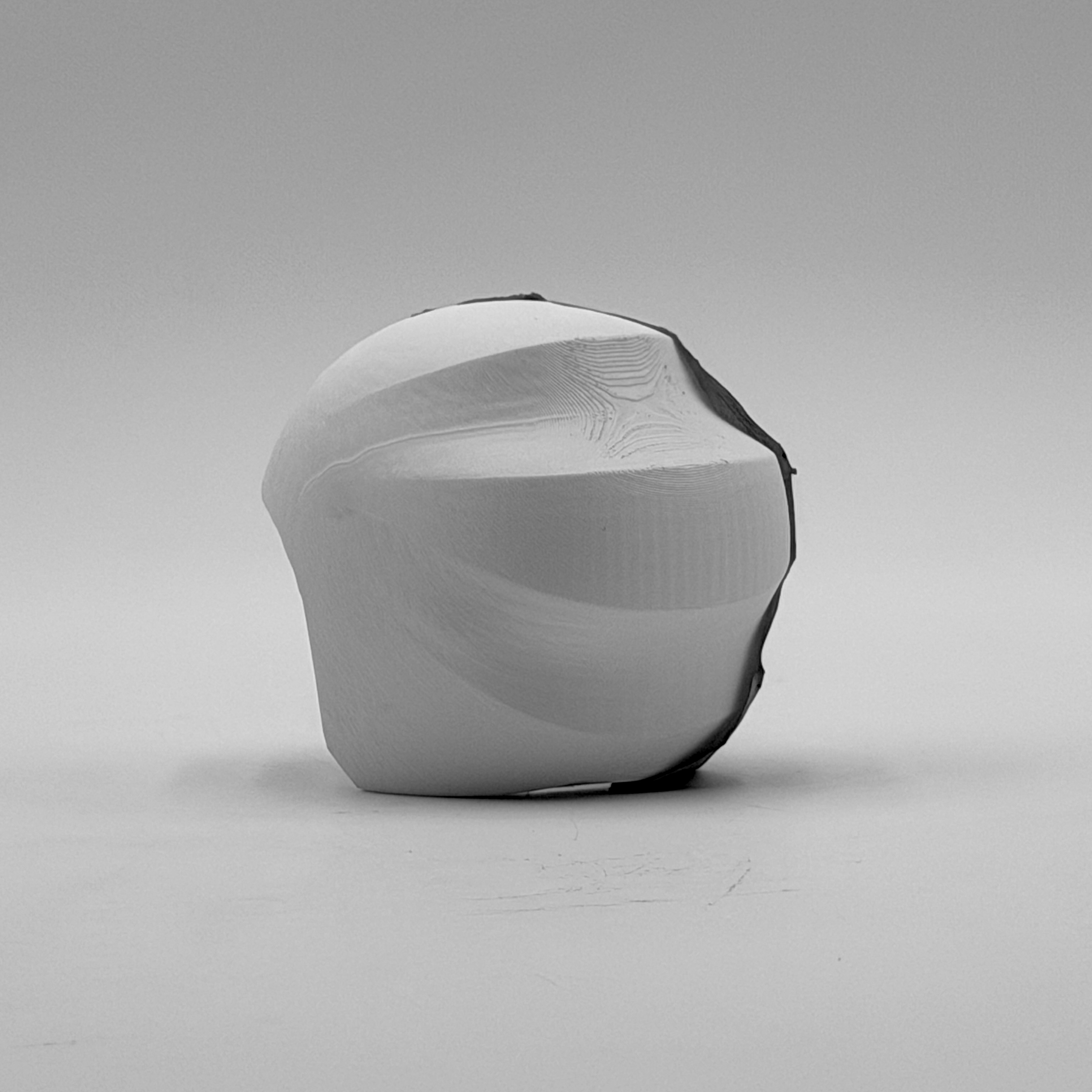
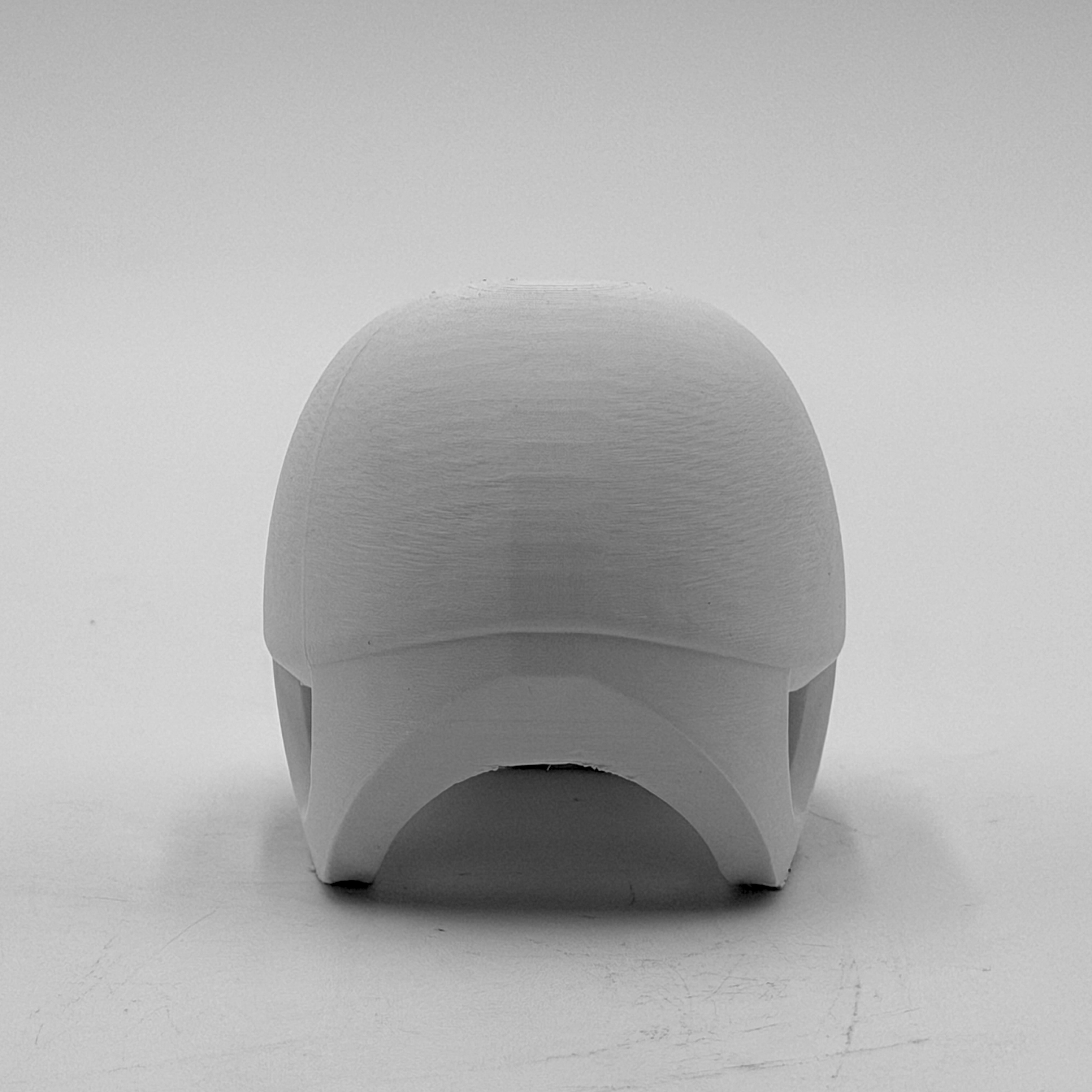
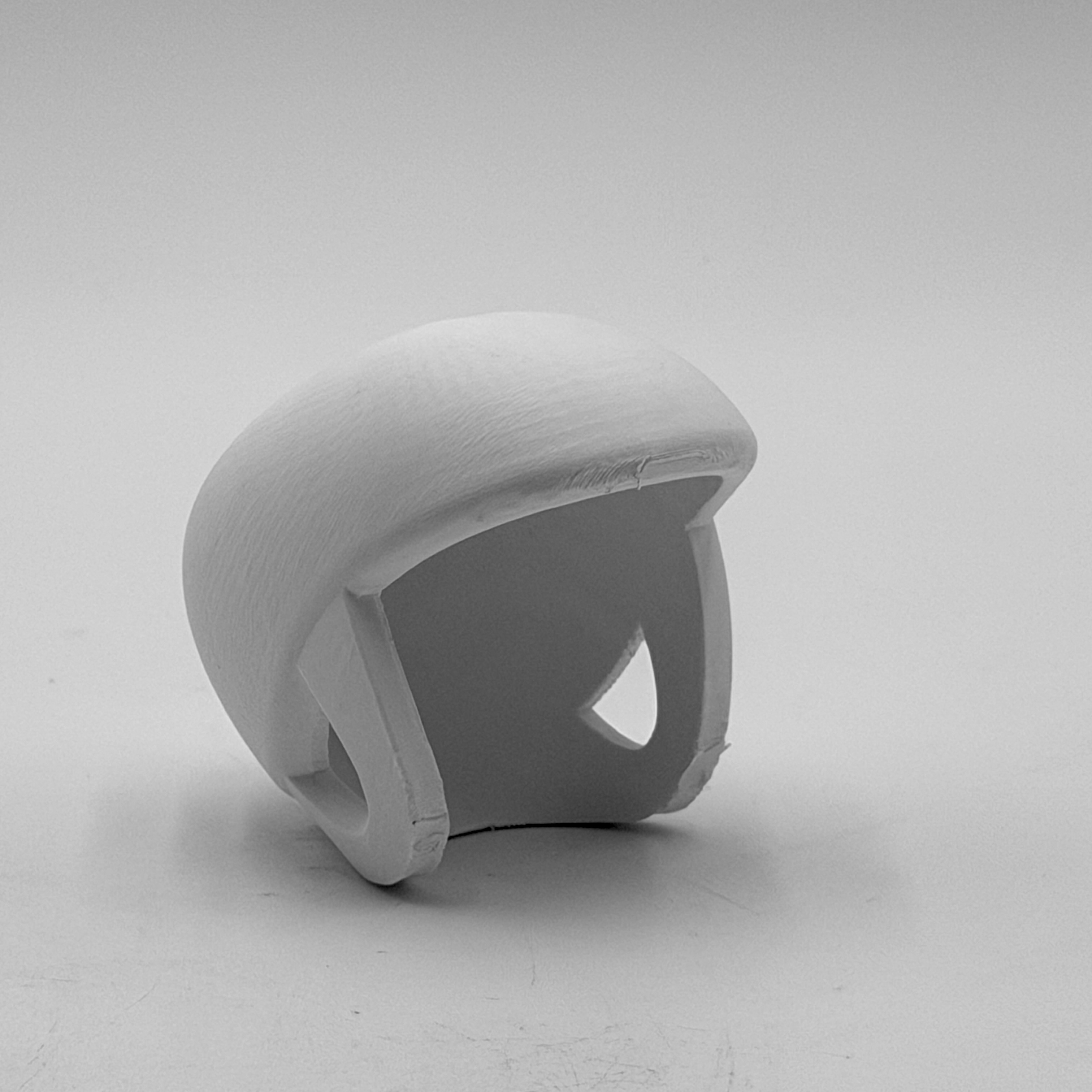
Deep research before any form work is non-negotiable for safety equipment — without understanding crash dynamics and injury patterns, early form decisions would have been structurally hollow.
Complex products require designing relationships between subsystems, not just the subsystems themselves. Coordinating protection, communication, fit, and service revealed that decisions in one area consistently impacted others. Mapping these relationships became essential to maintaining a cohesive system rather than a collection of parts.
Speaking with Hans Henken surfaced gaps that weren't visible through secondary research alone, particularly around communication and long-duration comfort. These insights redirected the project toward integration and usability, rather than purely performance-driven assumptions.
Get in touch
Let's work together