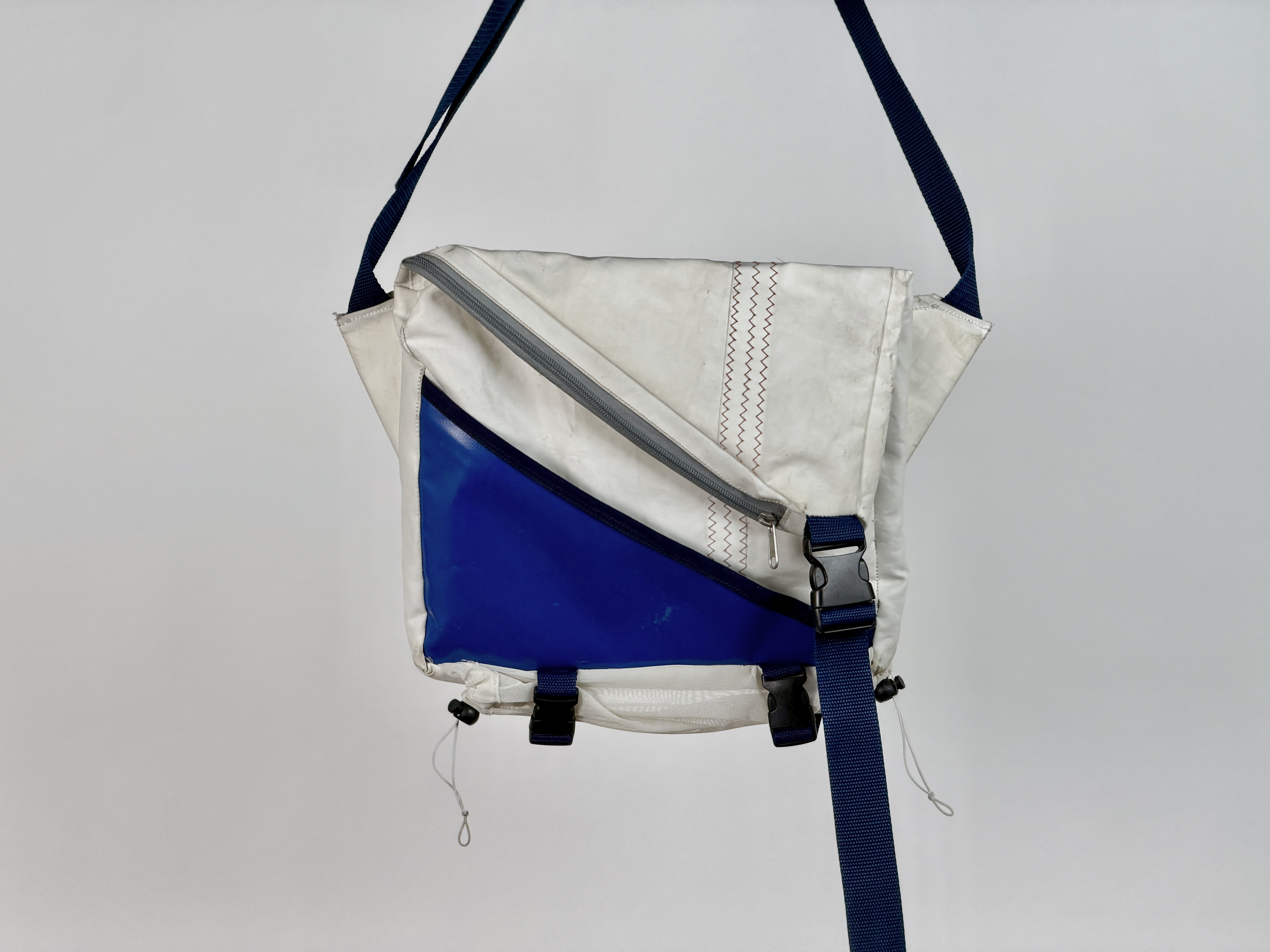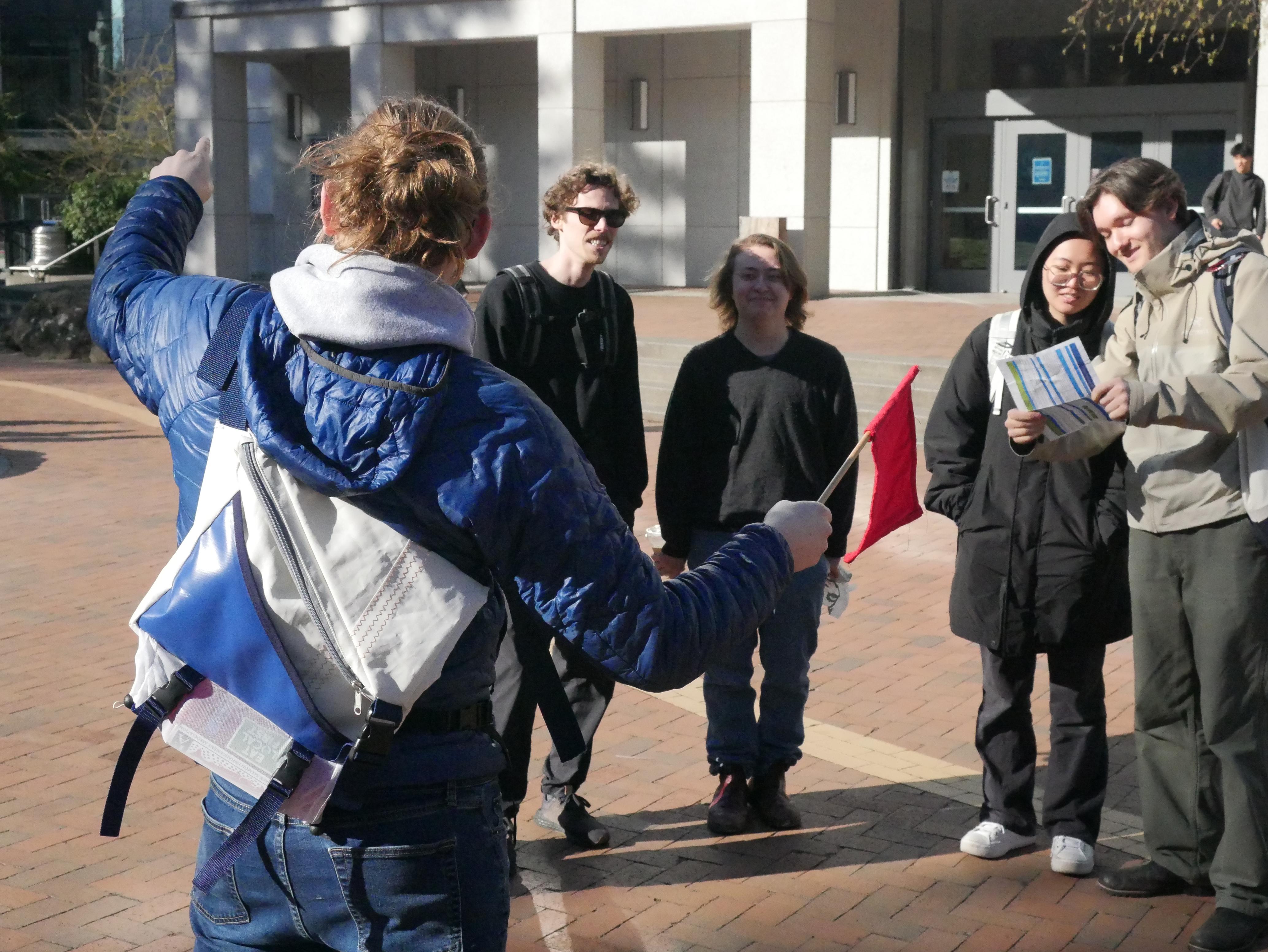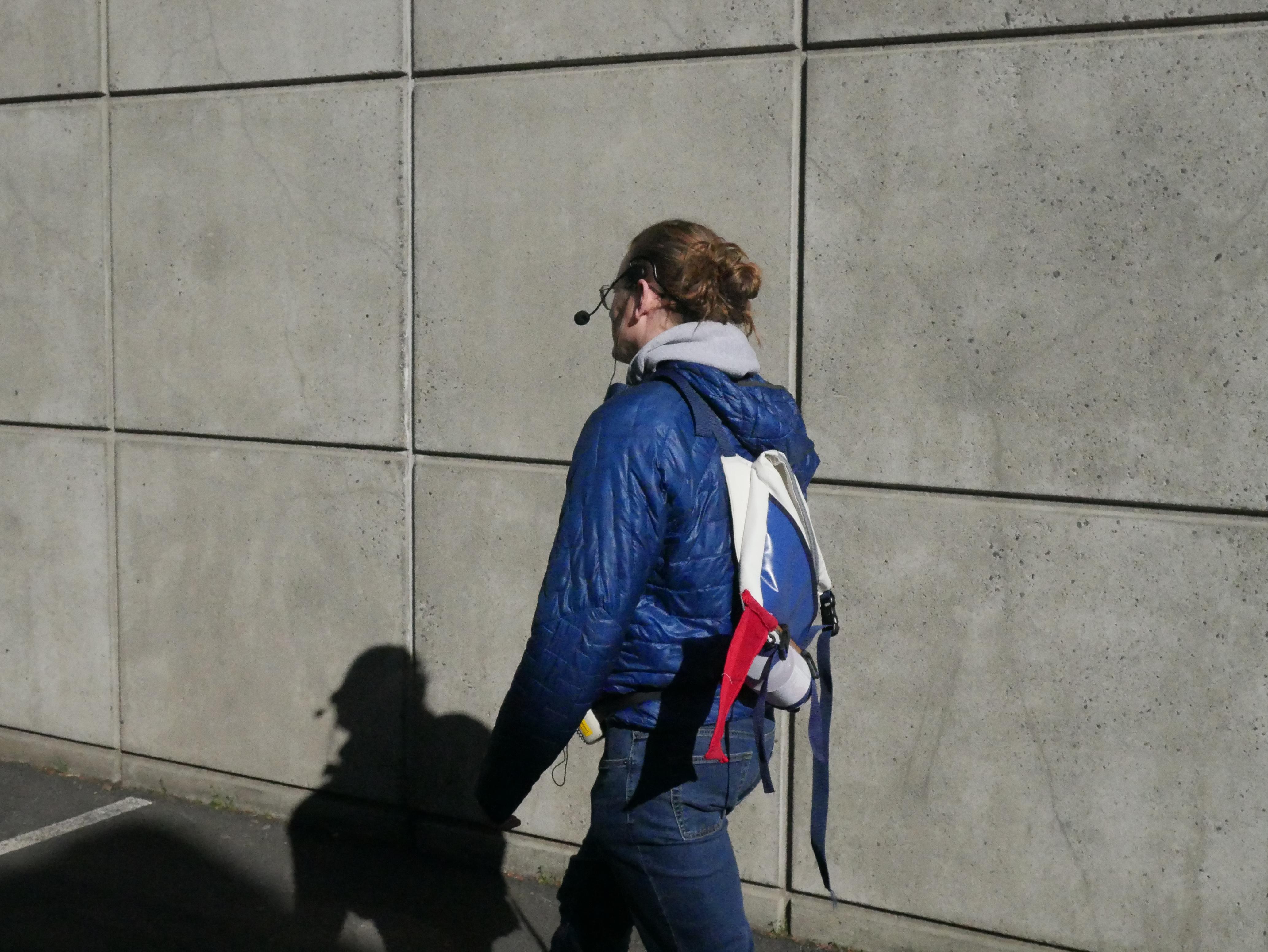

A sling bag that improves the experience of walking tour guides by balancing security, function, comfort, sustainability, and style.
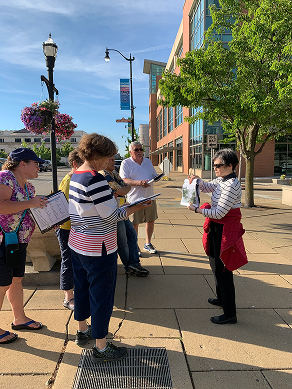
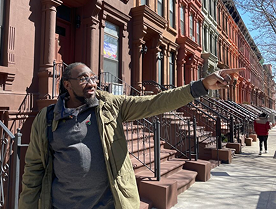
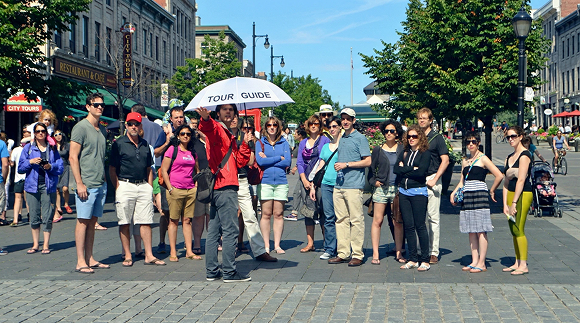
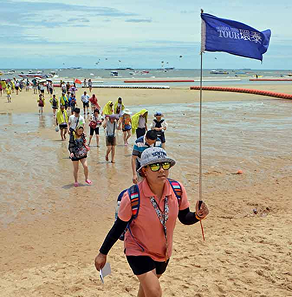
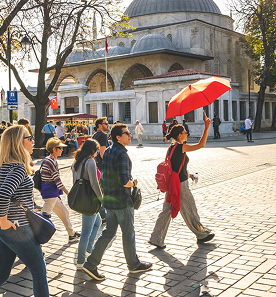
There are over 300,000 walking tour guides globally, each offering different experiences and having different needs.
Walking tours are often in high-density urban areas with higher risks of pickpocketing. Tours last anywhere between 2–8 hours — demanding a bag that can handle a full workday on foot.
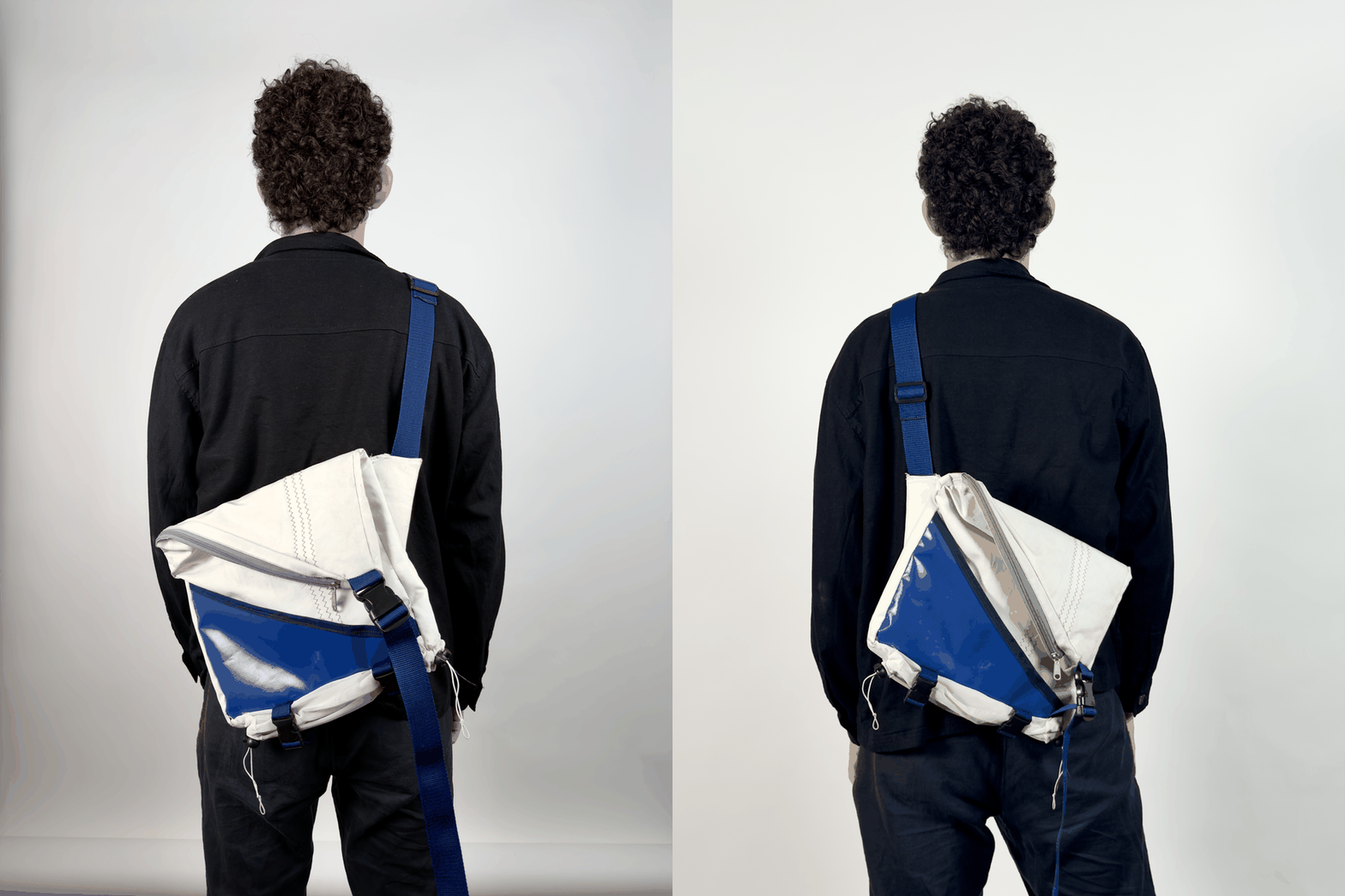
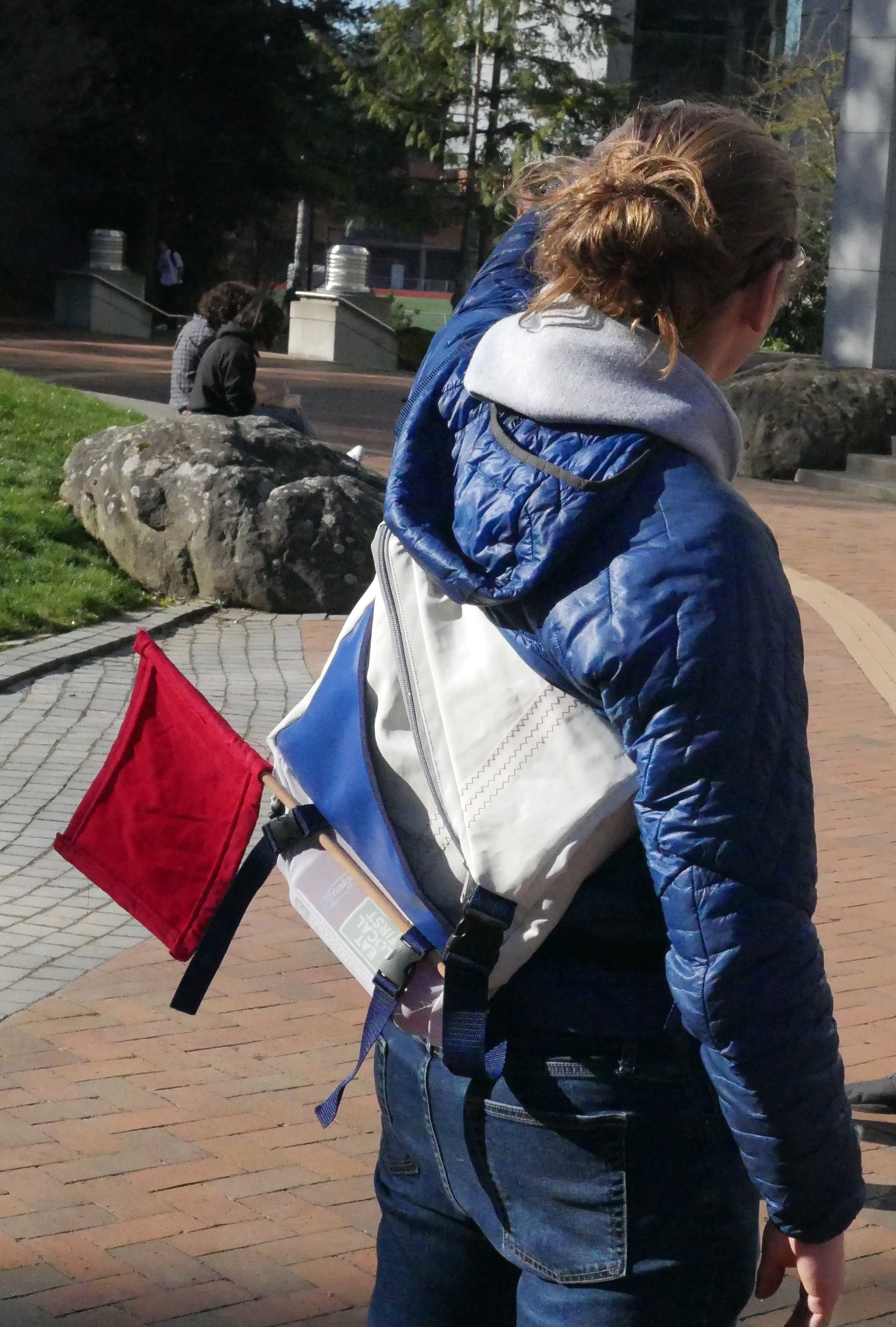
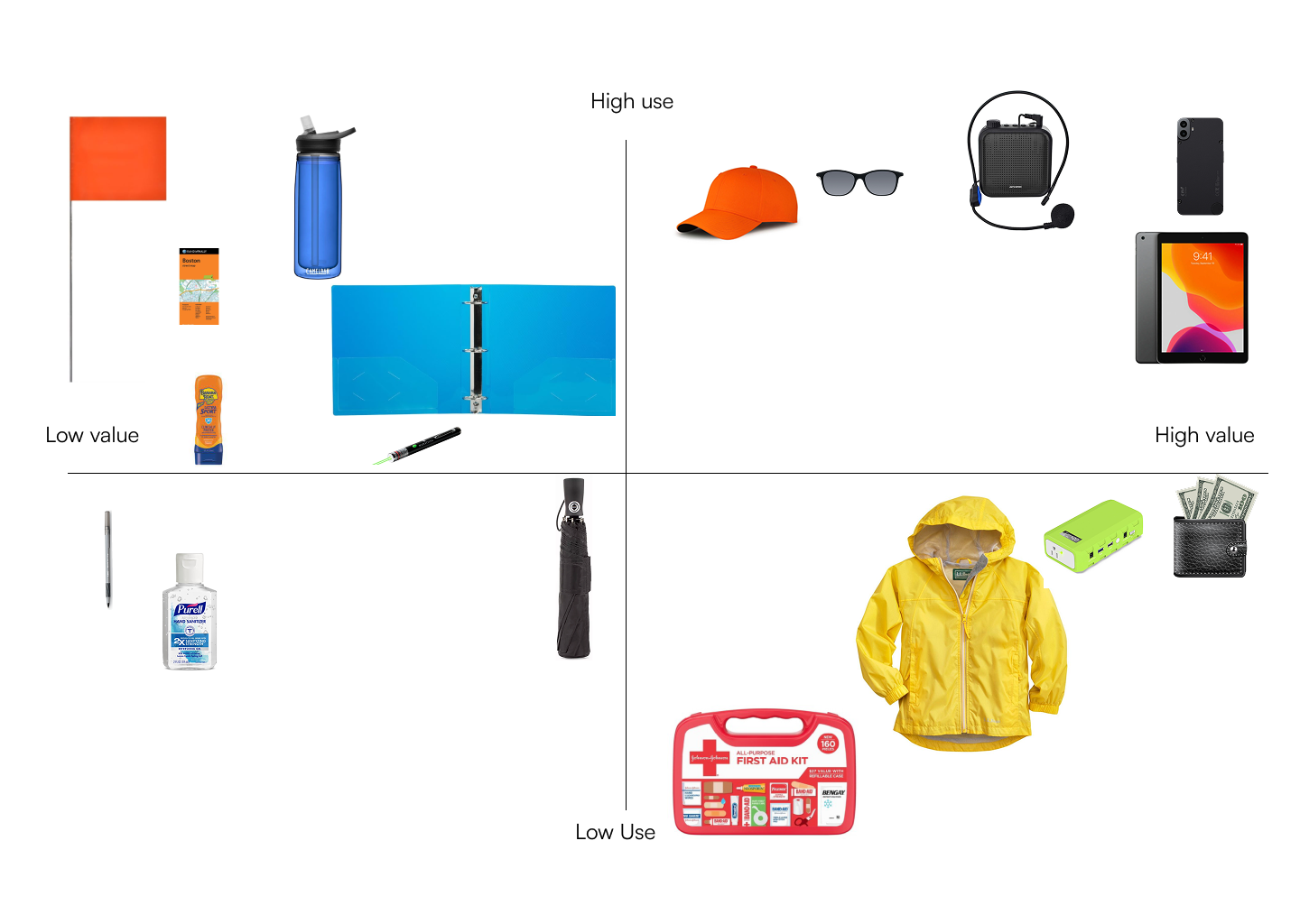
Guides need to carry essentials, remain identifiable to their group, switch quickly between front-carry and back-carry, and keep valuable items secure — all while looking the part.
"I'd rather have a bag that can carry all the stuff I might need during the day. Smaller messenger bags barely fit enough items."
u/CasioMaker — Reddit"Comfort is key."
Reddit user"I hate that it's designed for only my left shoulder."
Reddit user
Walking tour guides need a bag that securely transitions between back and front-carry, comfortably fits a full workday of essentials, and is made from sustainable materials — without sacrificing their professional appearance.
Security
Comfort
Functionality
Sustainability
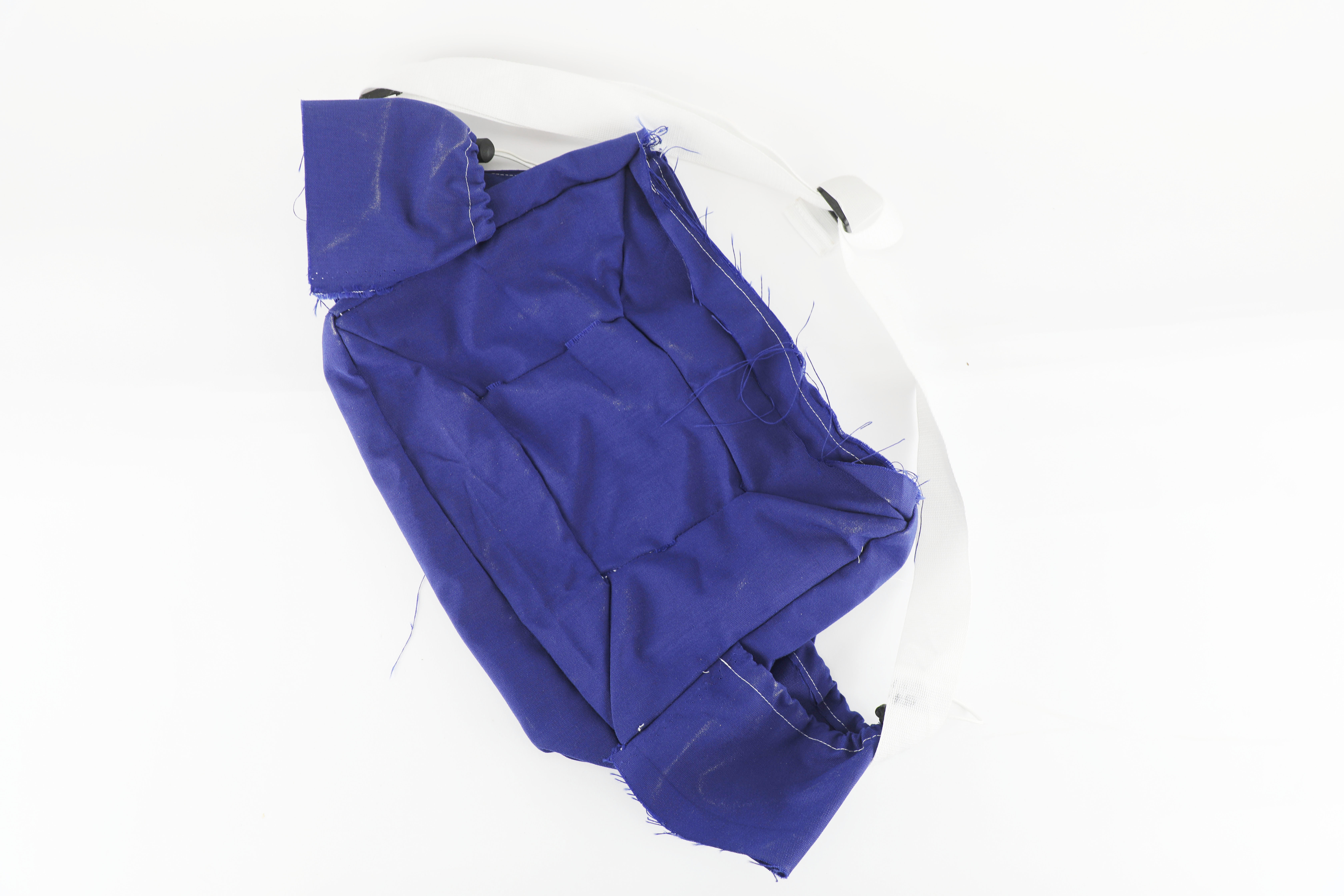
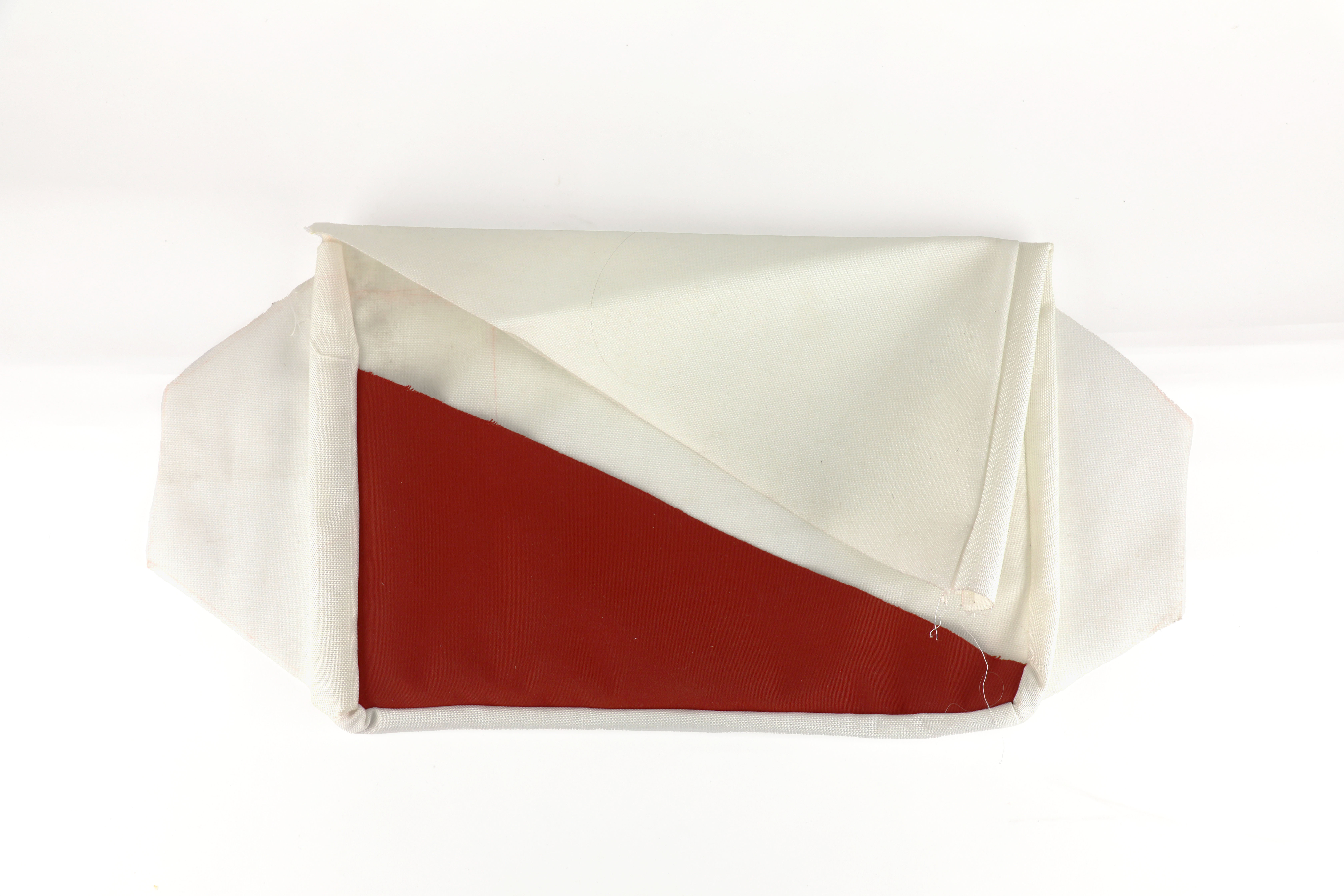
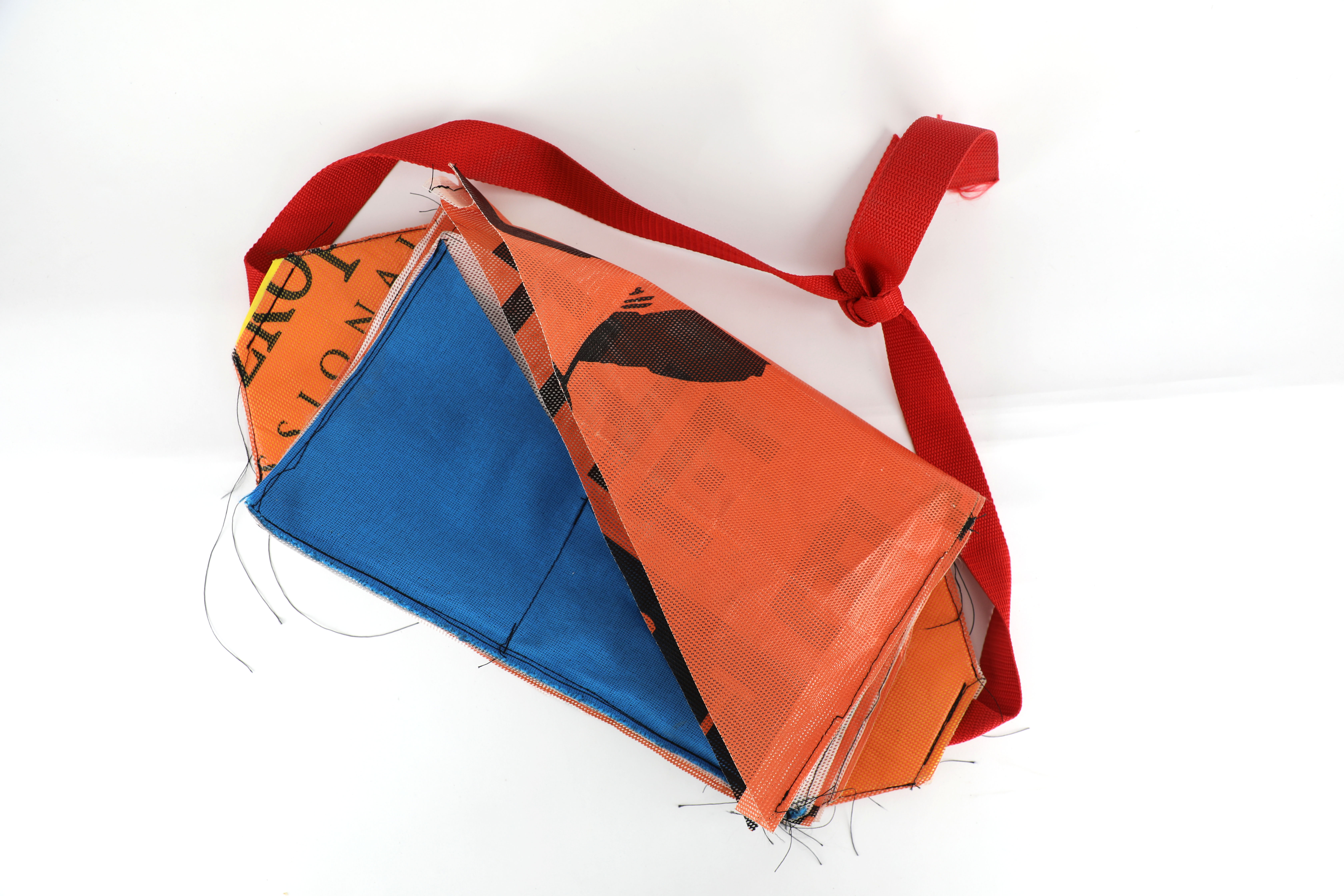
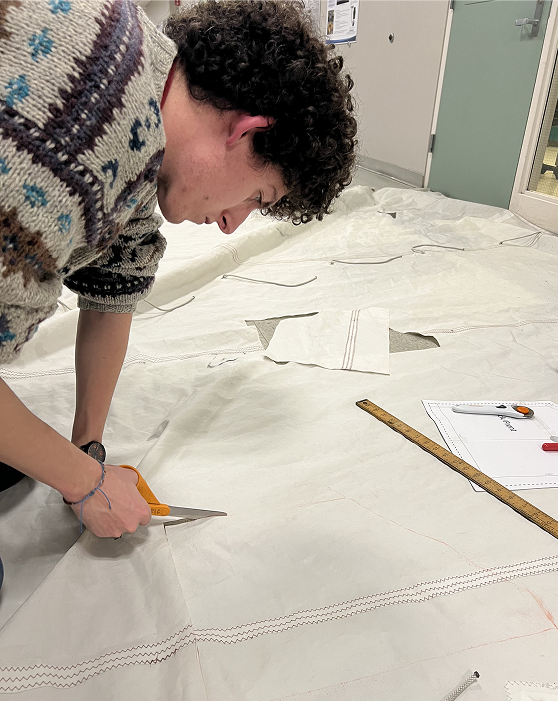
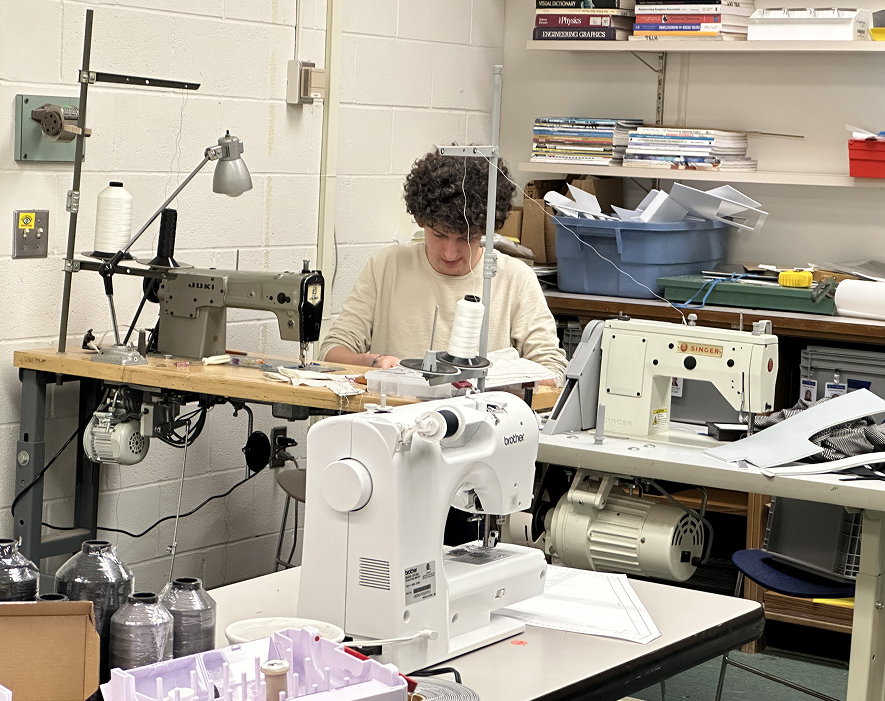
The bag was pattern-made and sewn from upcycled materials. Each seam and pocket placement was iterated through physical prototyping.
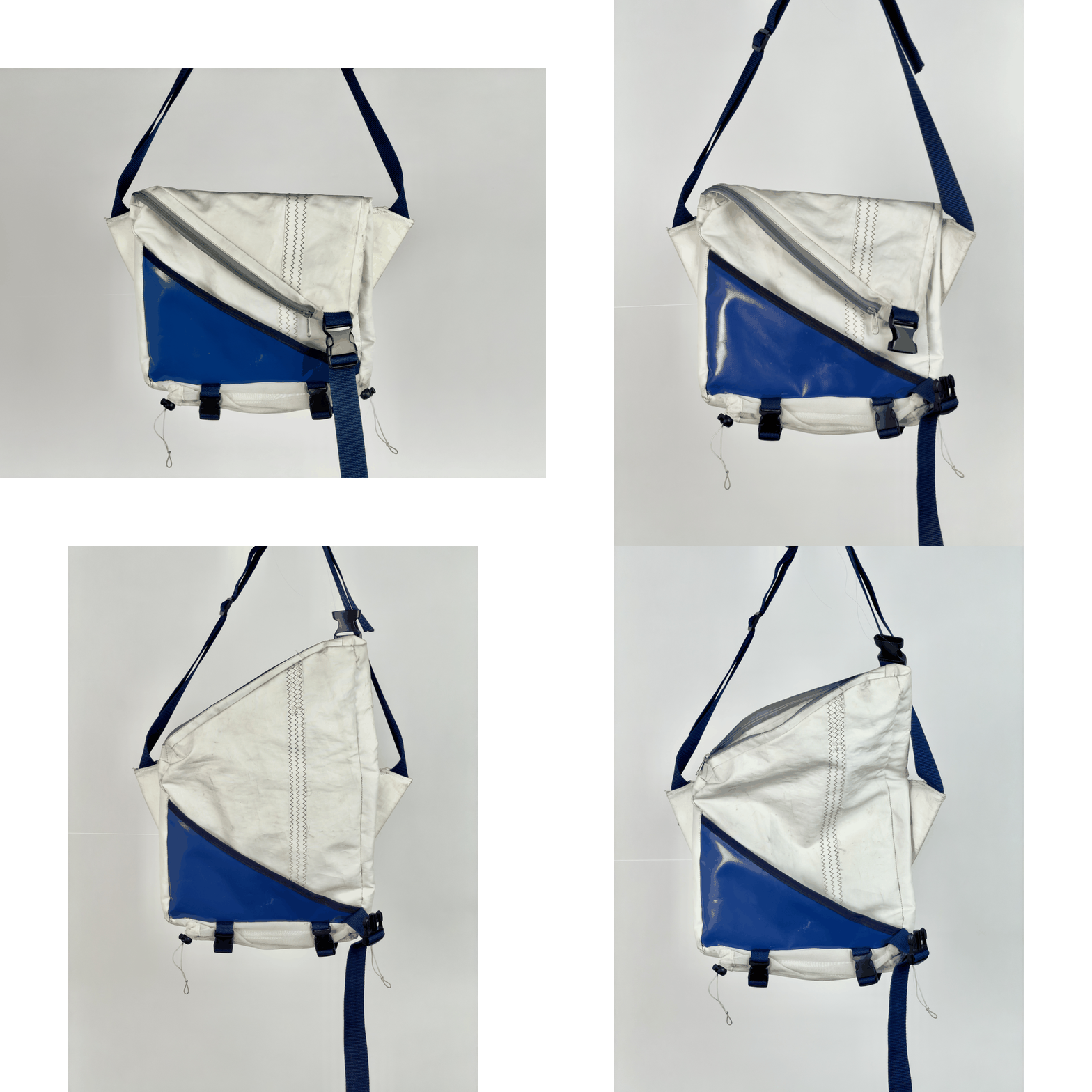
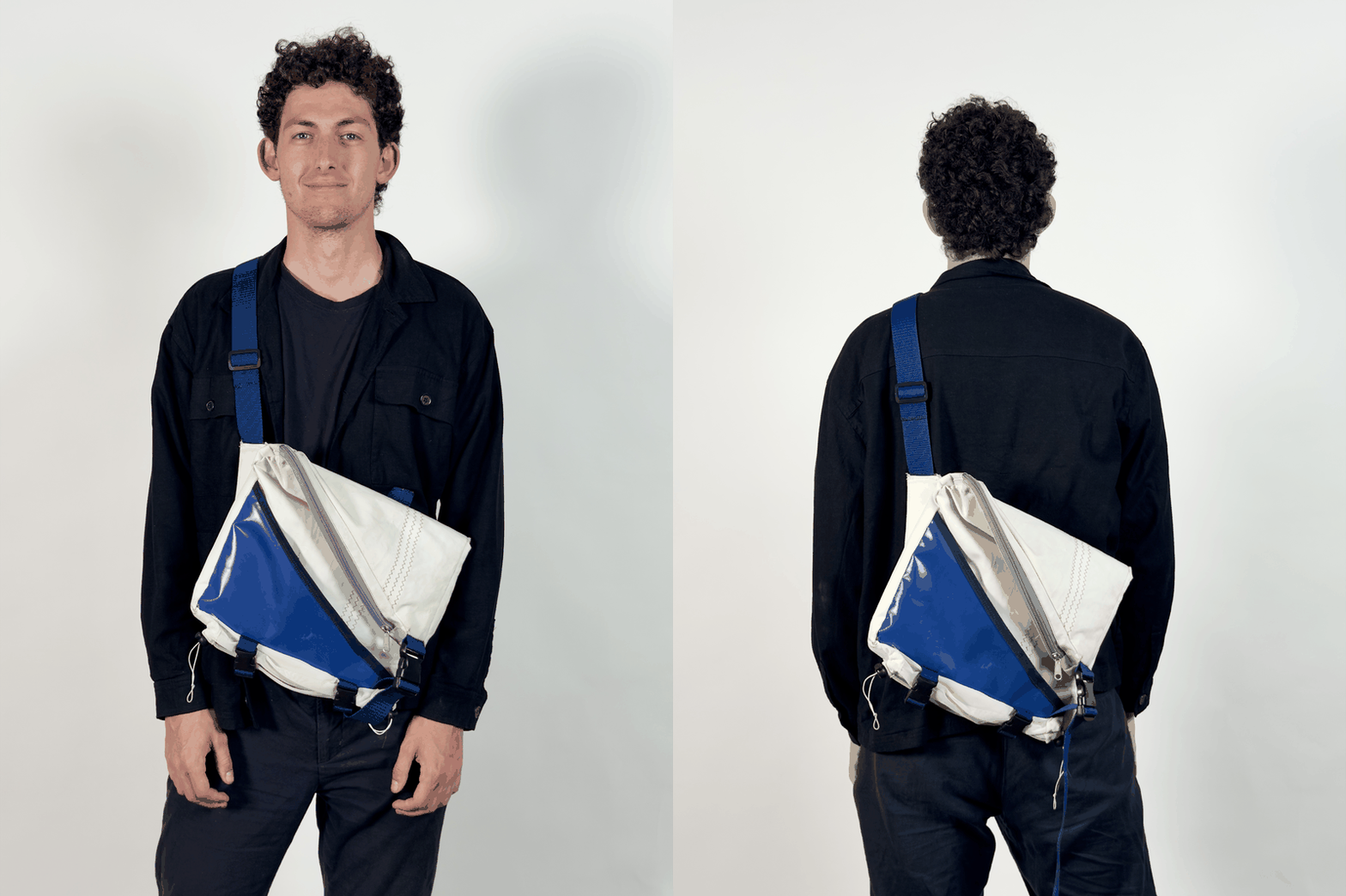
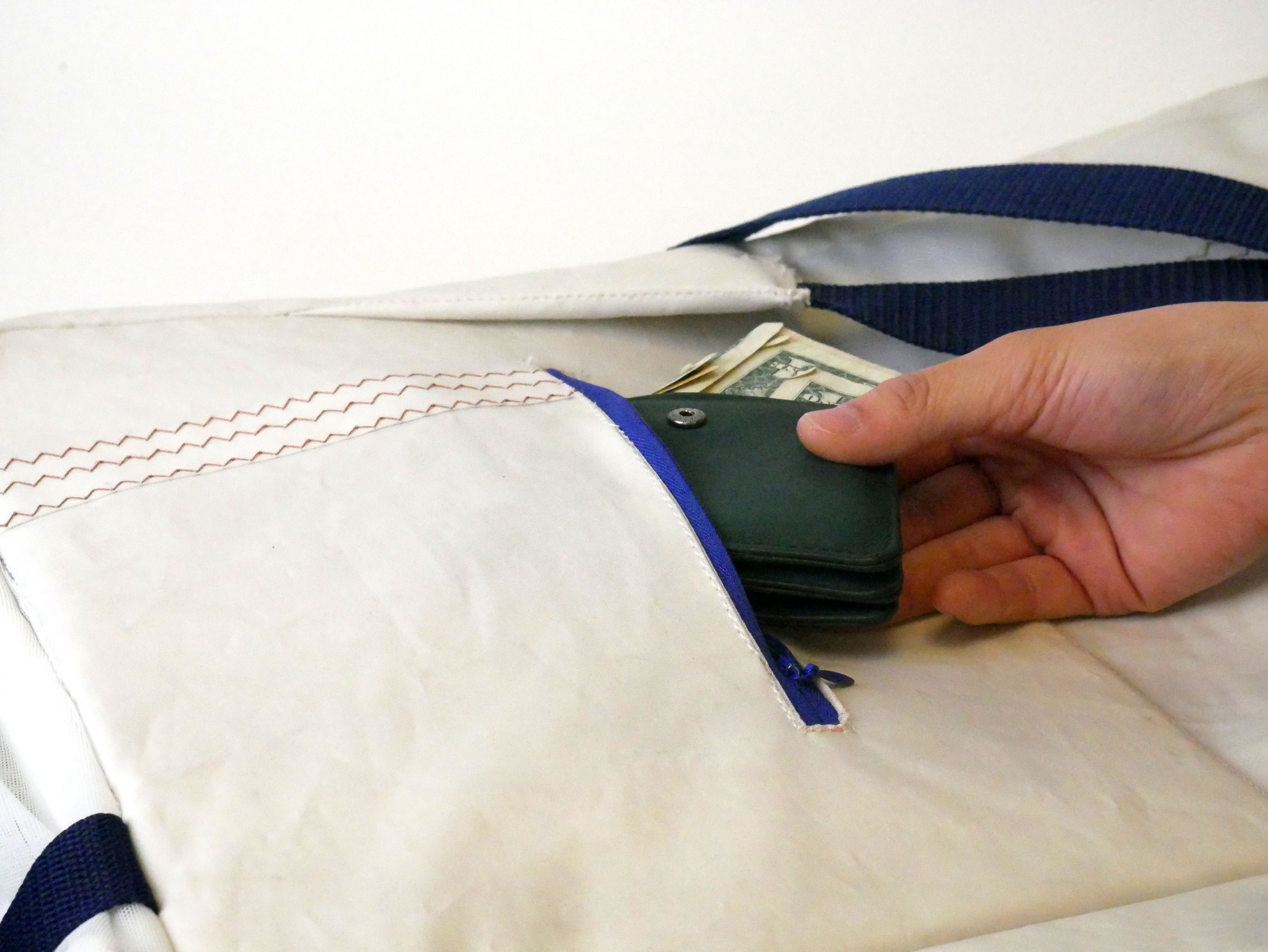
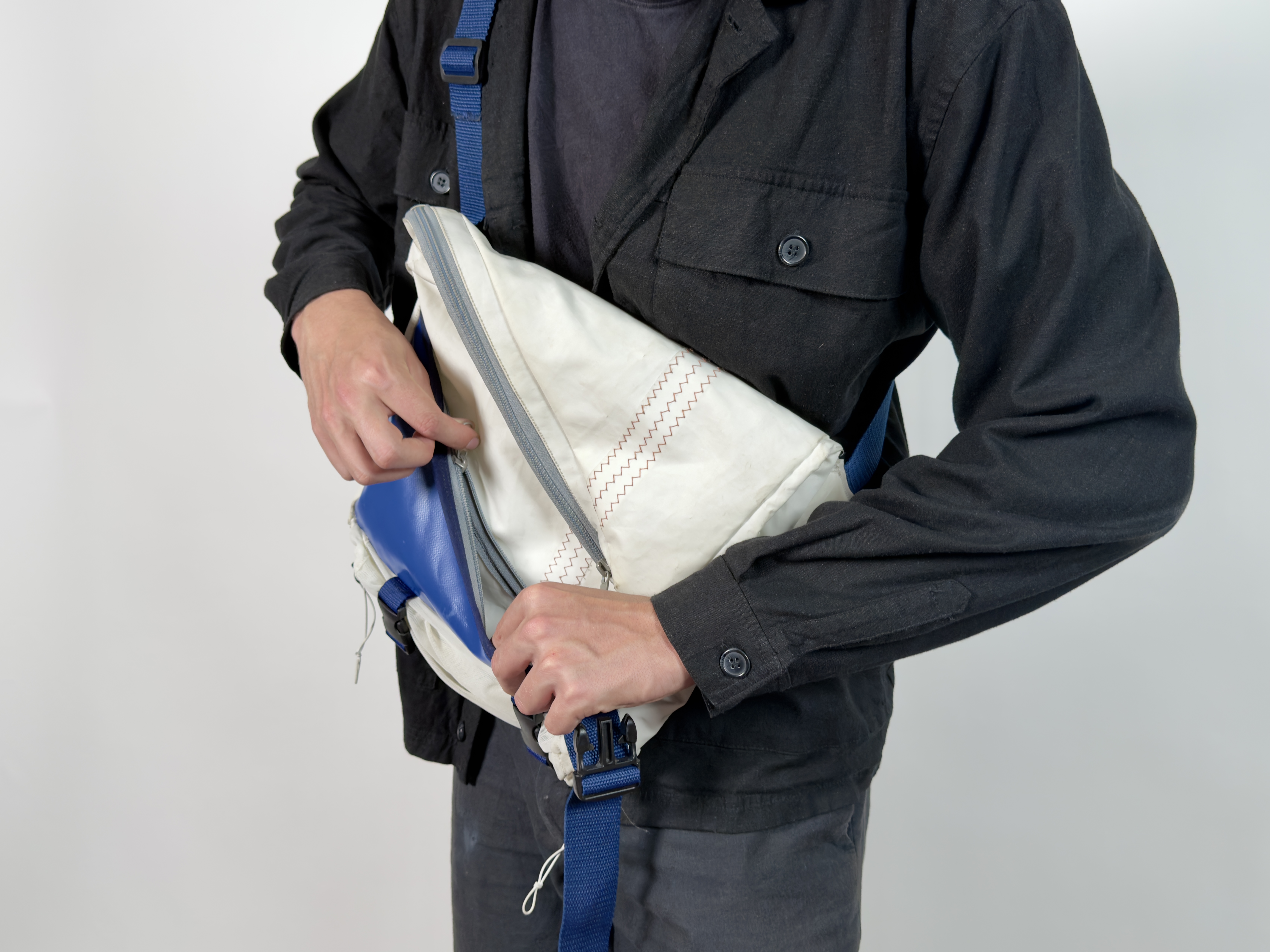
A click–flip–zip entry adds friction to the main compartment, deterring quick access, while a hidden, body-facing pocket keeps valuables fully out of reach. The bag can also be rotated to the front in crowded or high-risk environments.
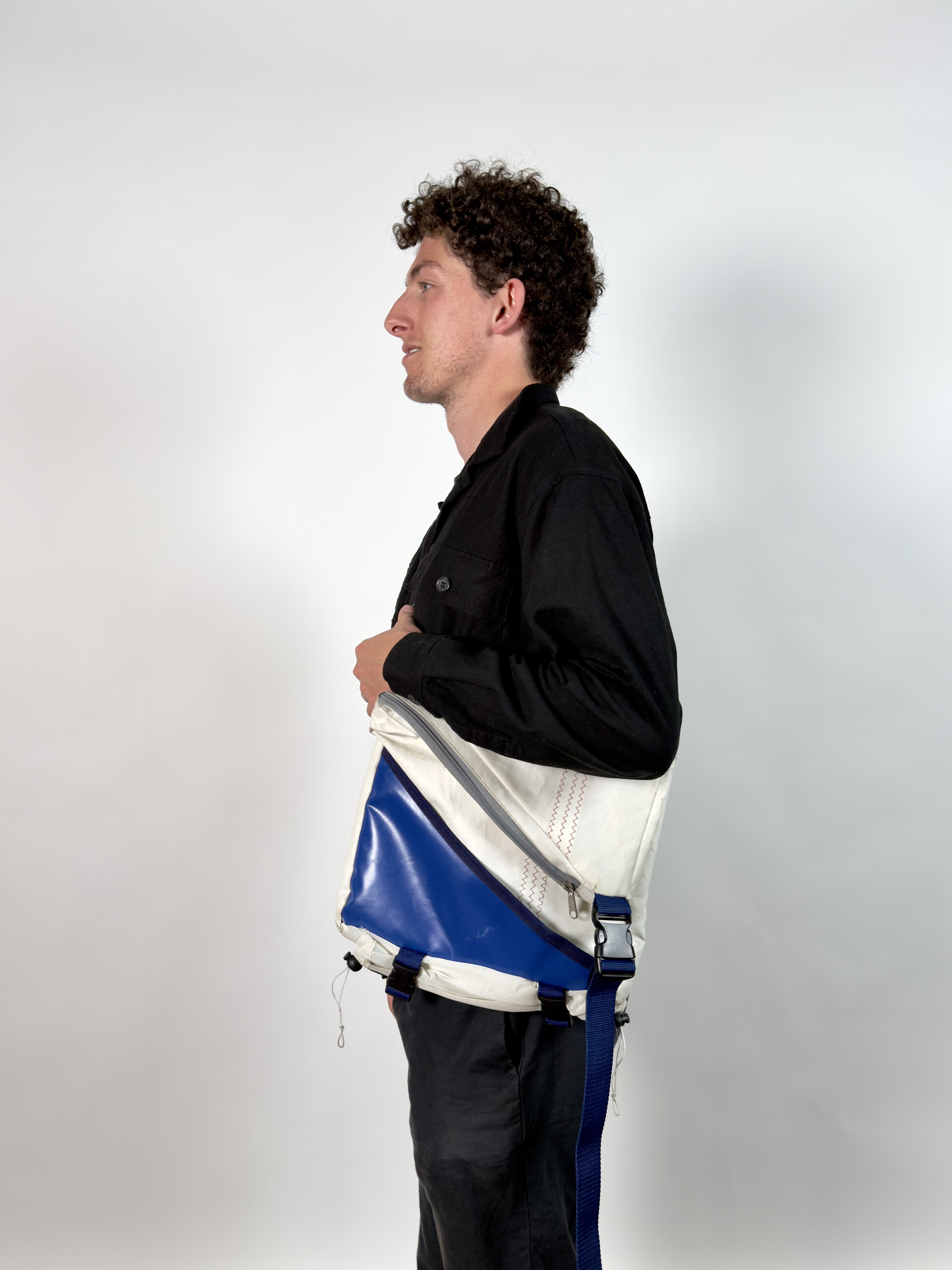
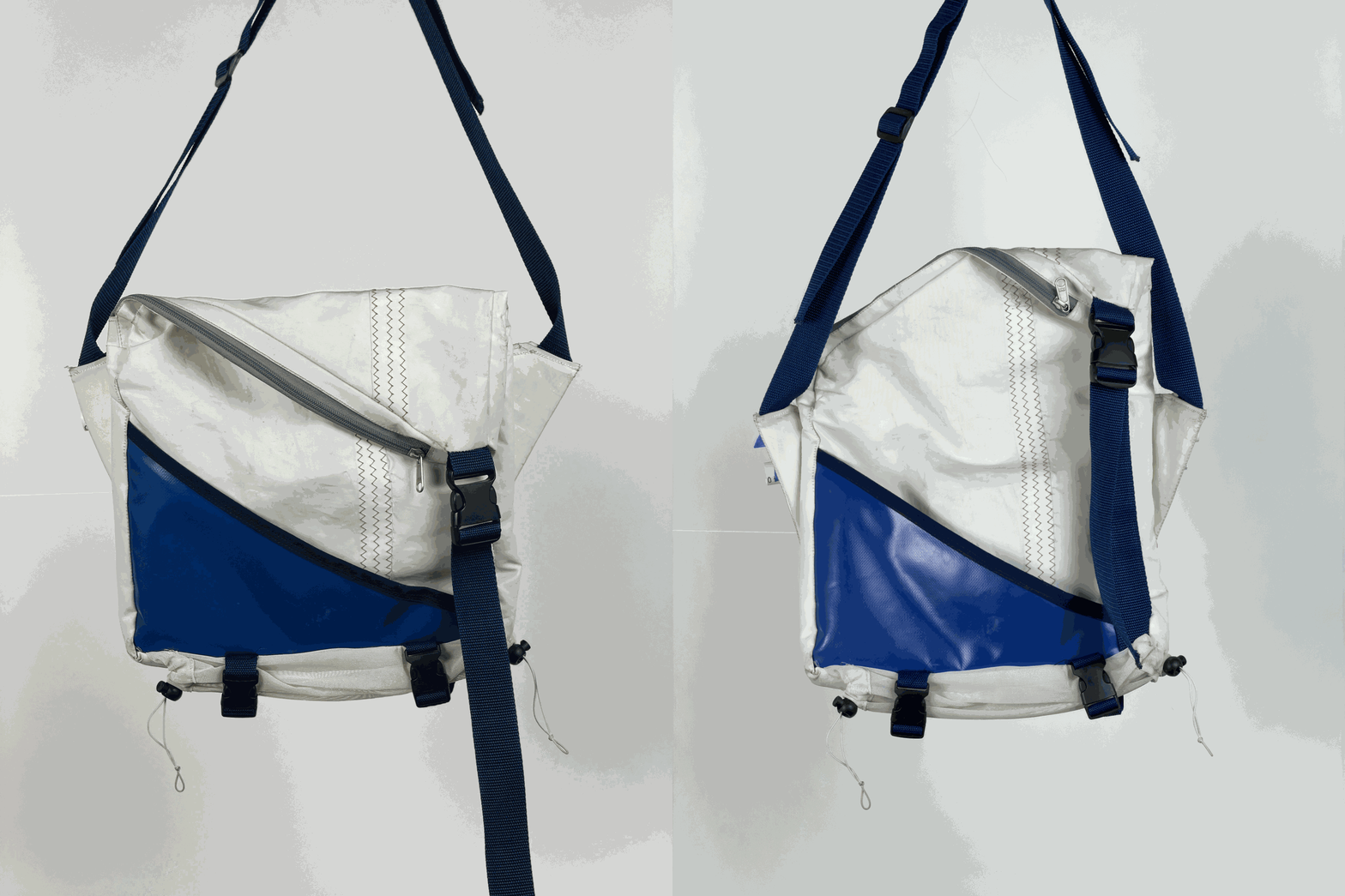
An ambidextrous strap allows for easy wear on either shoulder, while a padded back panel adds structure and cushioning for all-day comfort.
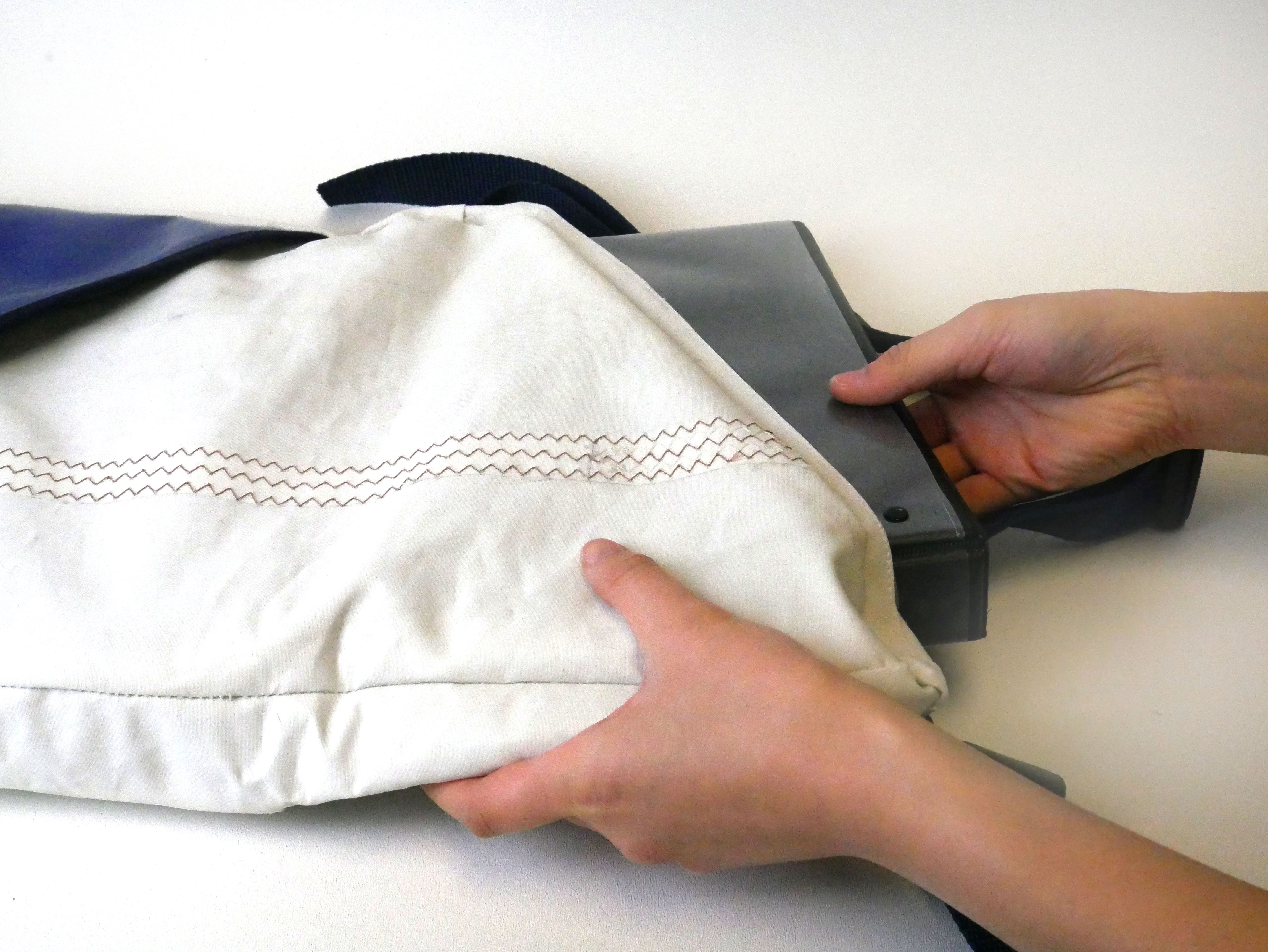
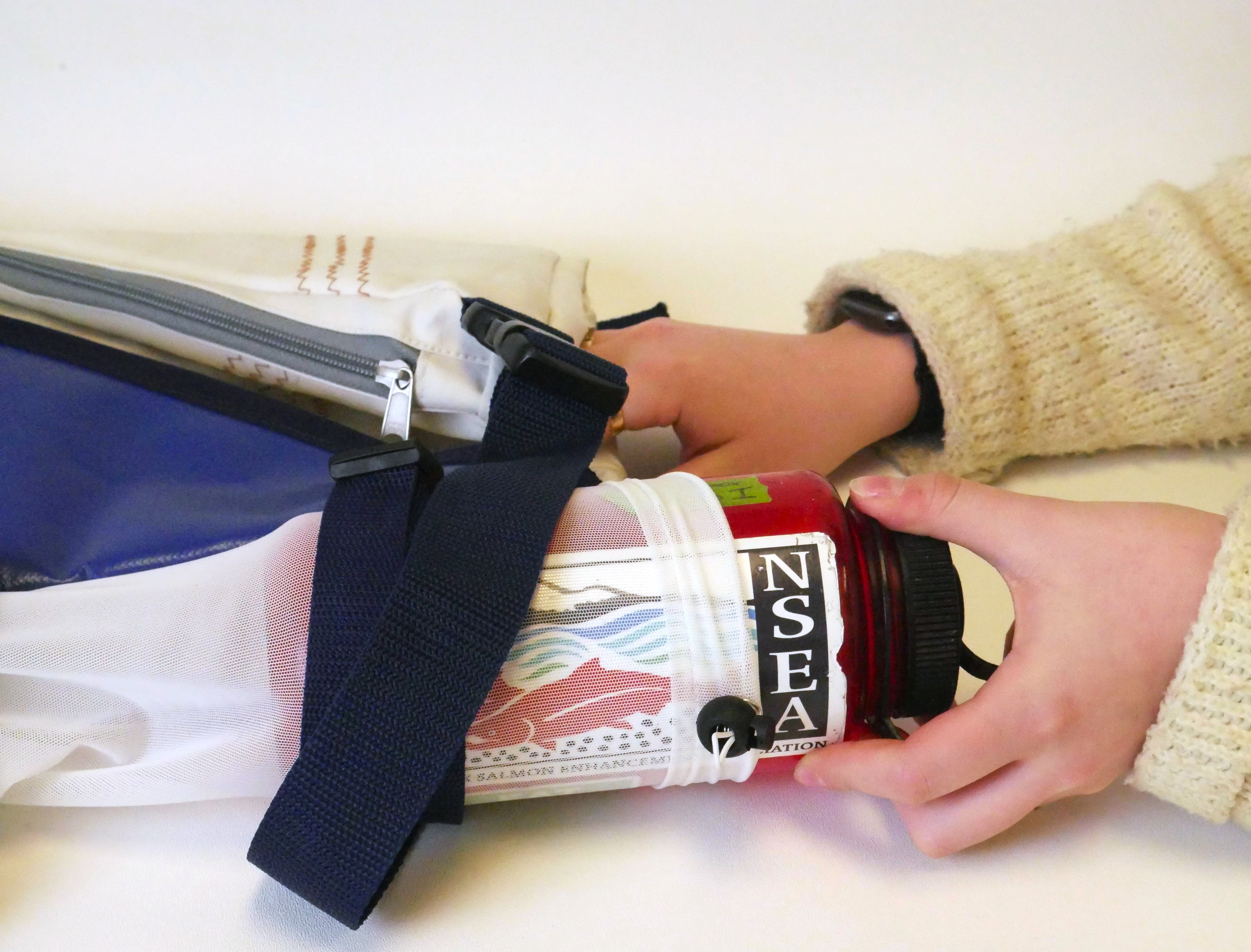
A dedicated wet zone at the bottom stores items like a water bottle or rain jacket, while an outer pocket allows quick access to everyday essentials. An expandable main compartment adapts to changing carry needs.
All primary materials are sourced from discarded textiles. The body is made from an upcycled sail, paired with marine vinyl from industrial offcuts. Rather than becoming waste, these materials are given a second life—without compromising performance: durable and highly water-resistant.
Prioritizing physical prototyping kept the project grounded in what I could actually make, letting me focus on craft and obsess over details.
Physical iteration exposed ergonomic issues that wouldn't have been obvious otherwise, while also improving my sewing with each version.
I developed a workflow for translating sketch models into printable patterns in Illustrator, enabling more precise refinement and repeatability.
Get in touch
Let's work together