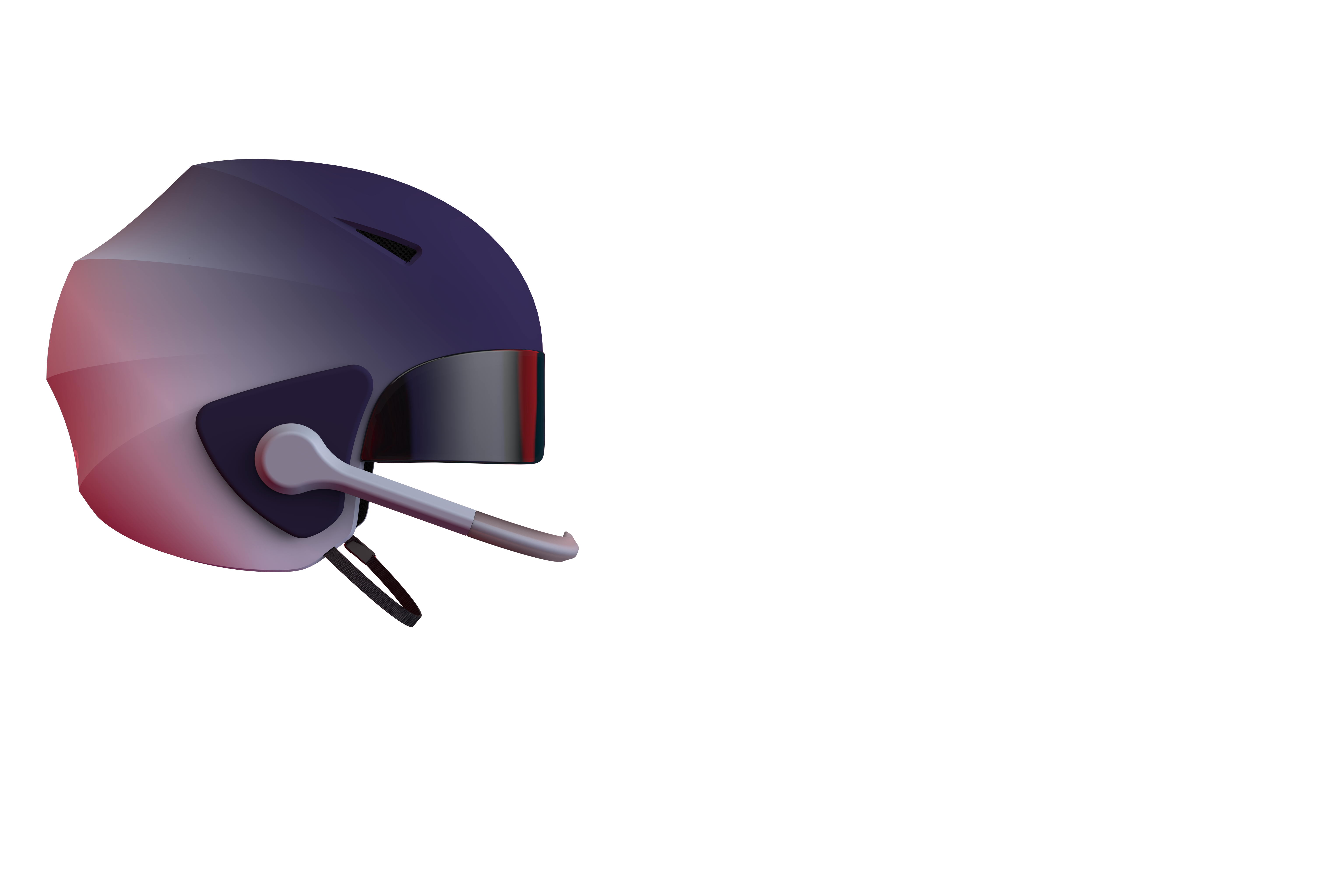

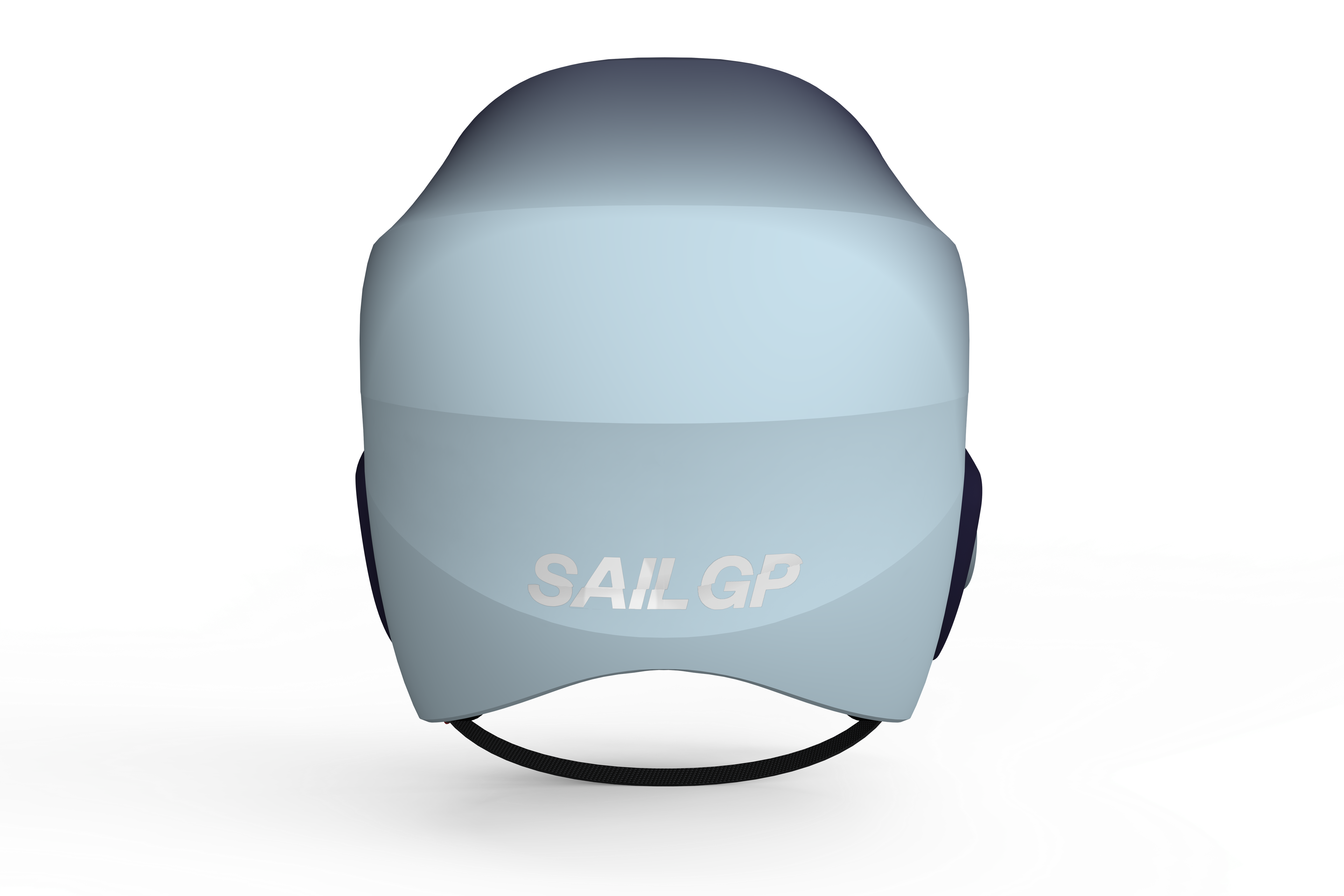
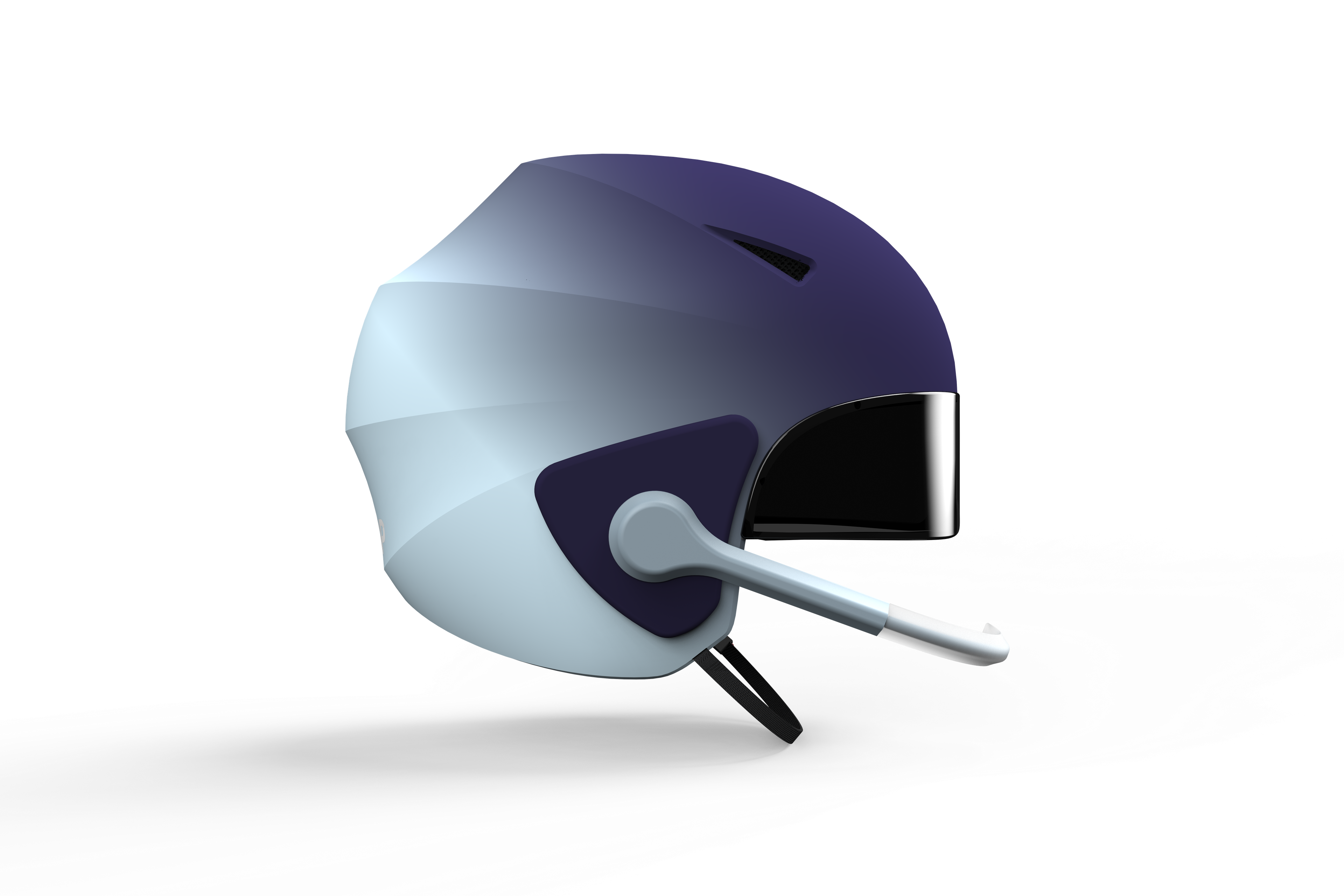
A sculpted sailing helmet specialized for the high-risk sailing performance of SailGP athletes.
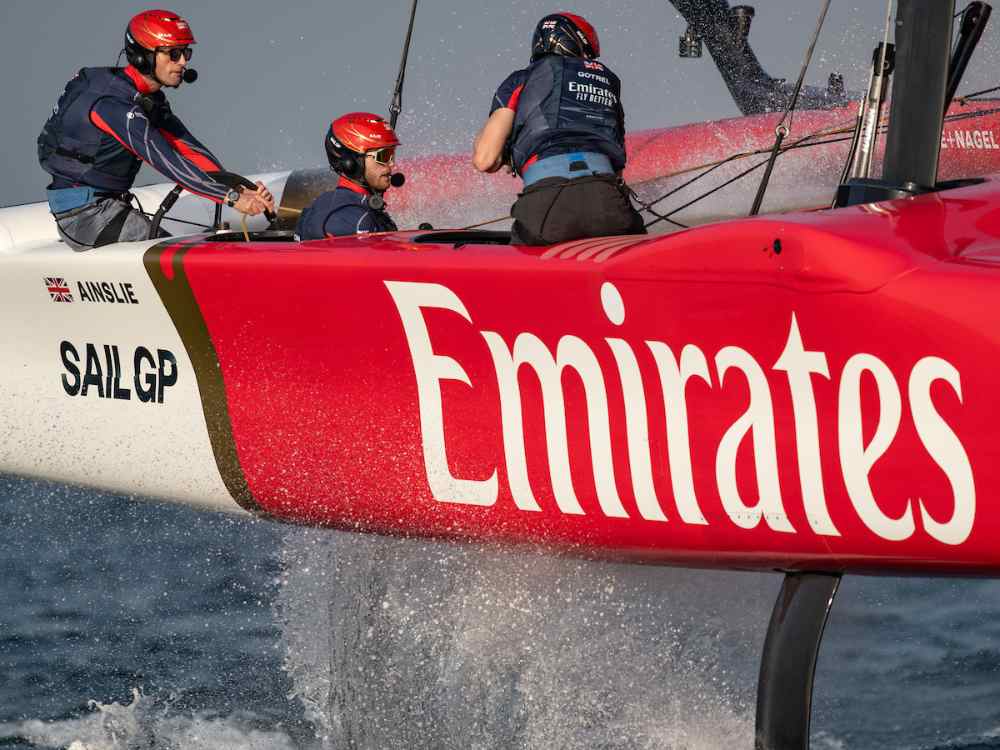
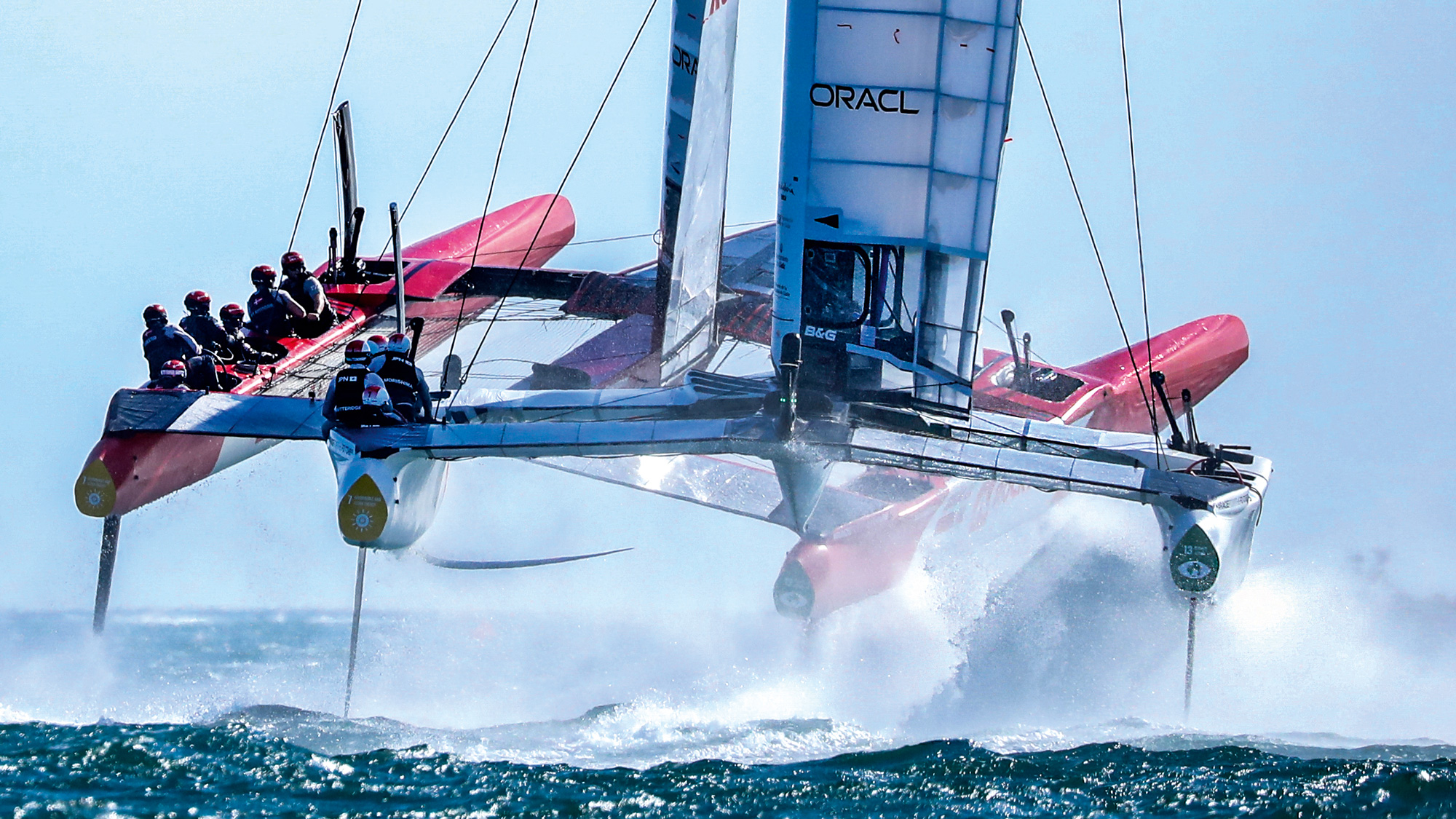
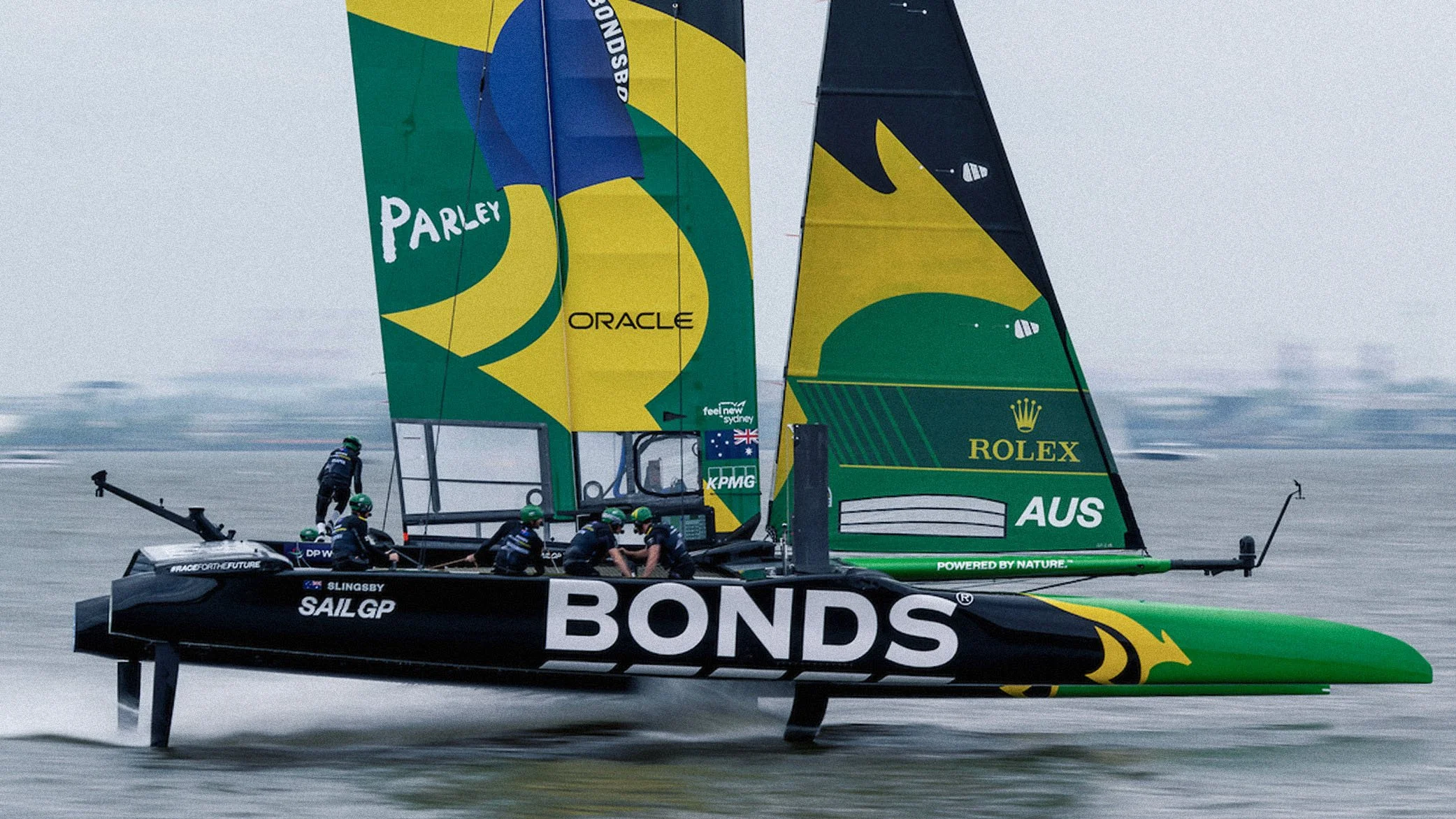
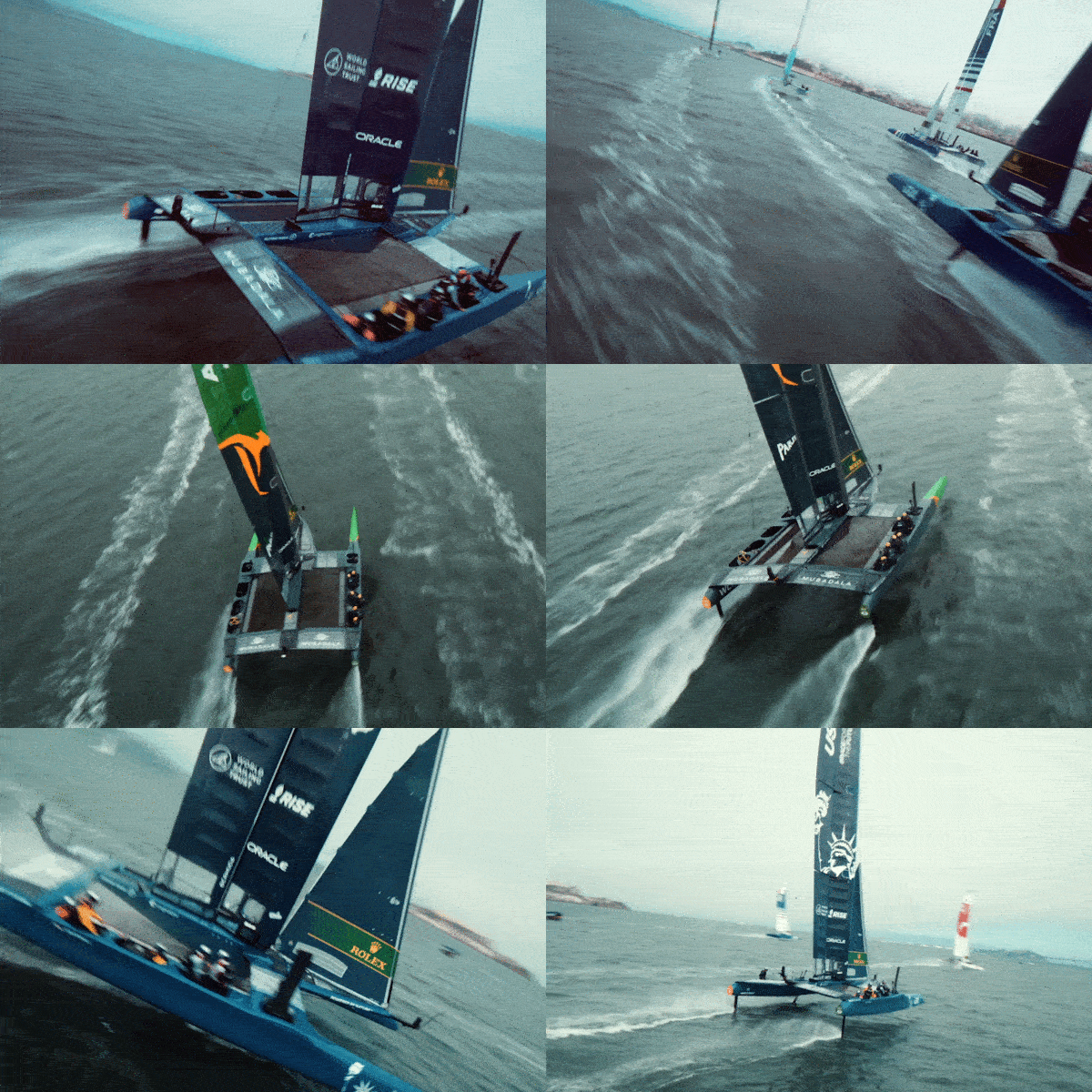
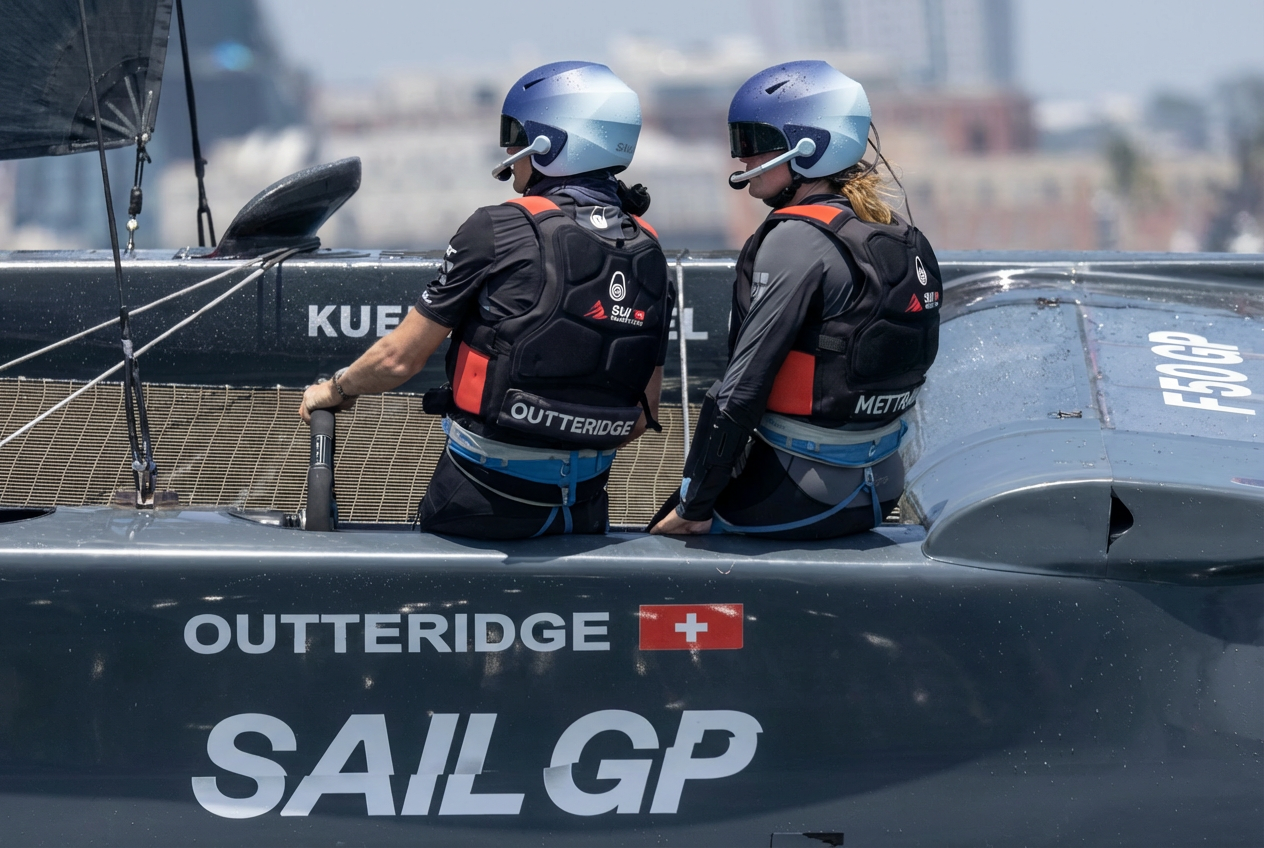
SailGP is the most advanced sailing fleet racing series in the world. Boats travel over 3× faster than the wind — up to 104 km/h — and mark-rounding speeds expose sailors to up to 3Gs of g-force.
The all-carbon F50 catamarans use hydrofoils to fly above the water, making them some of the most maneuverable and volatile boats on the planet.
SailGP is the Formula 1 of sailing.SailGP boats are at the cutting edge of sailing technology — yet the athlete safety systems haven't evolved at the same pace.
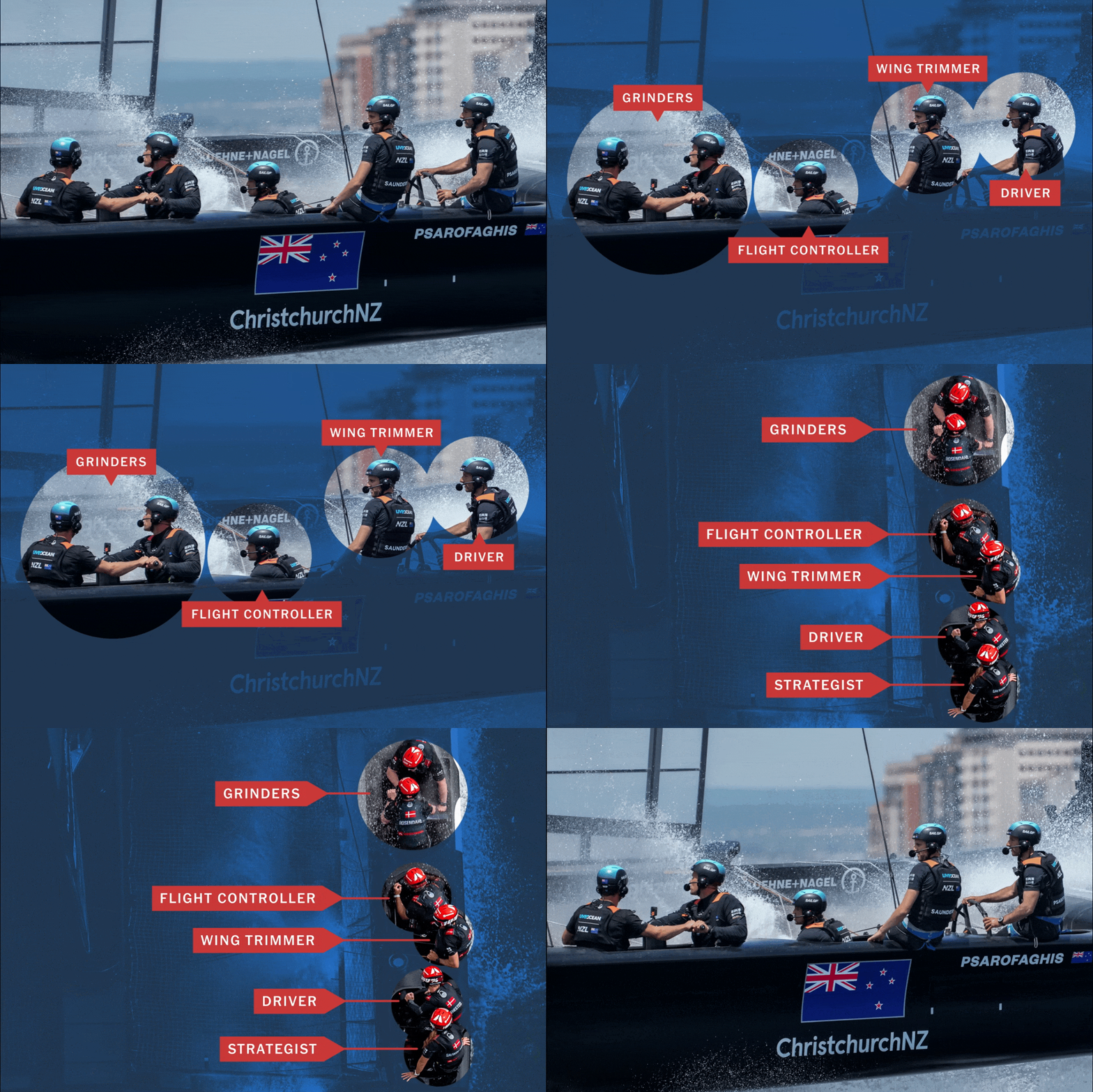
The head becomes the convergence point of protection, communication, and visibility.
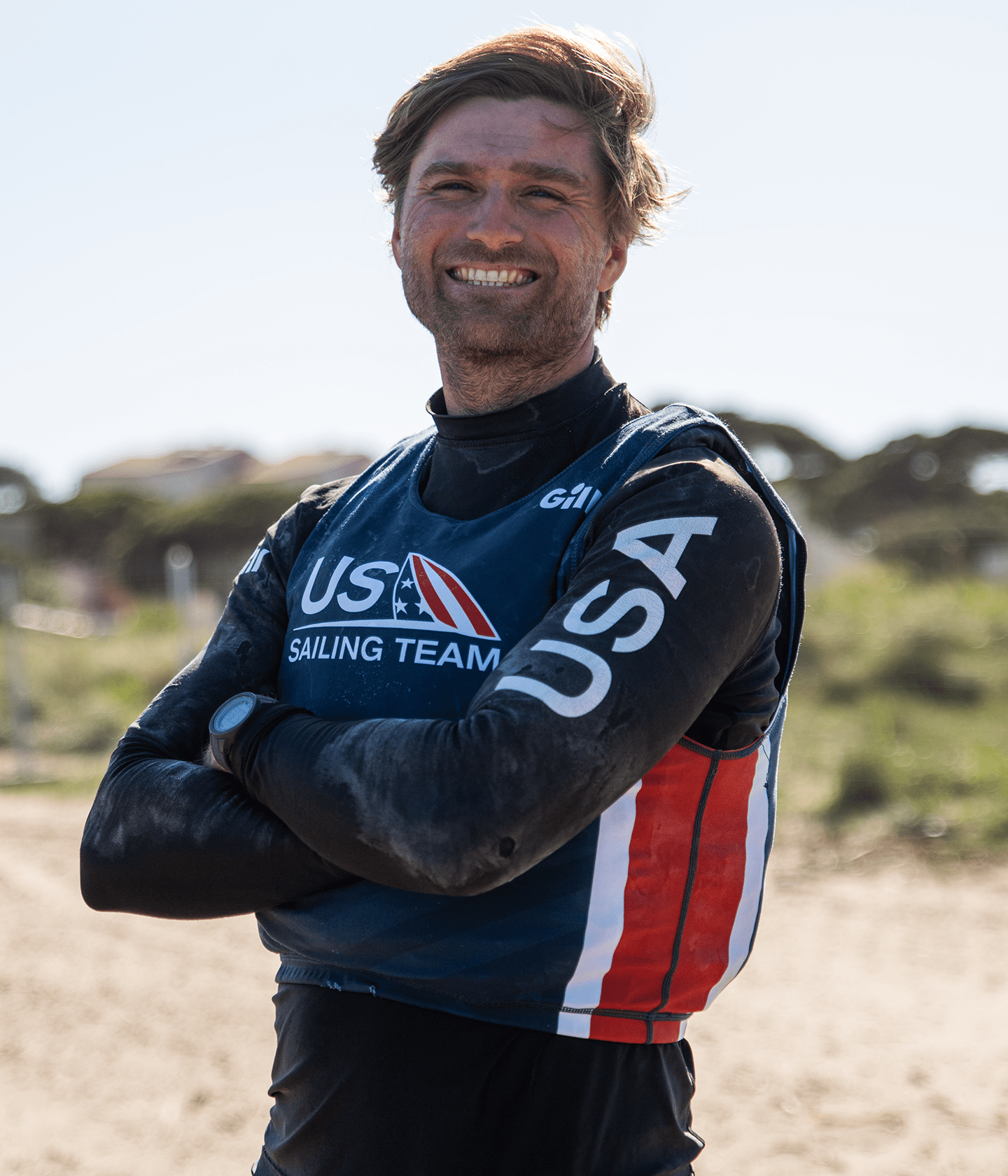
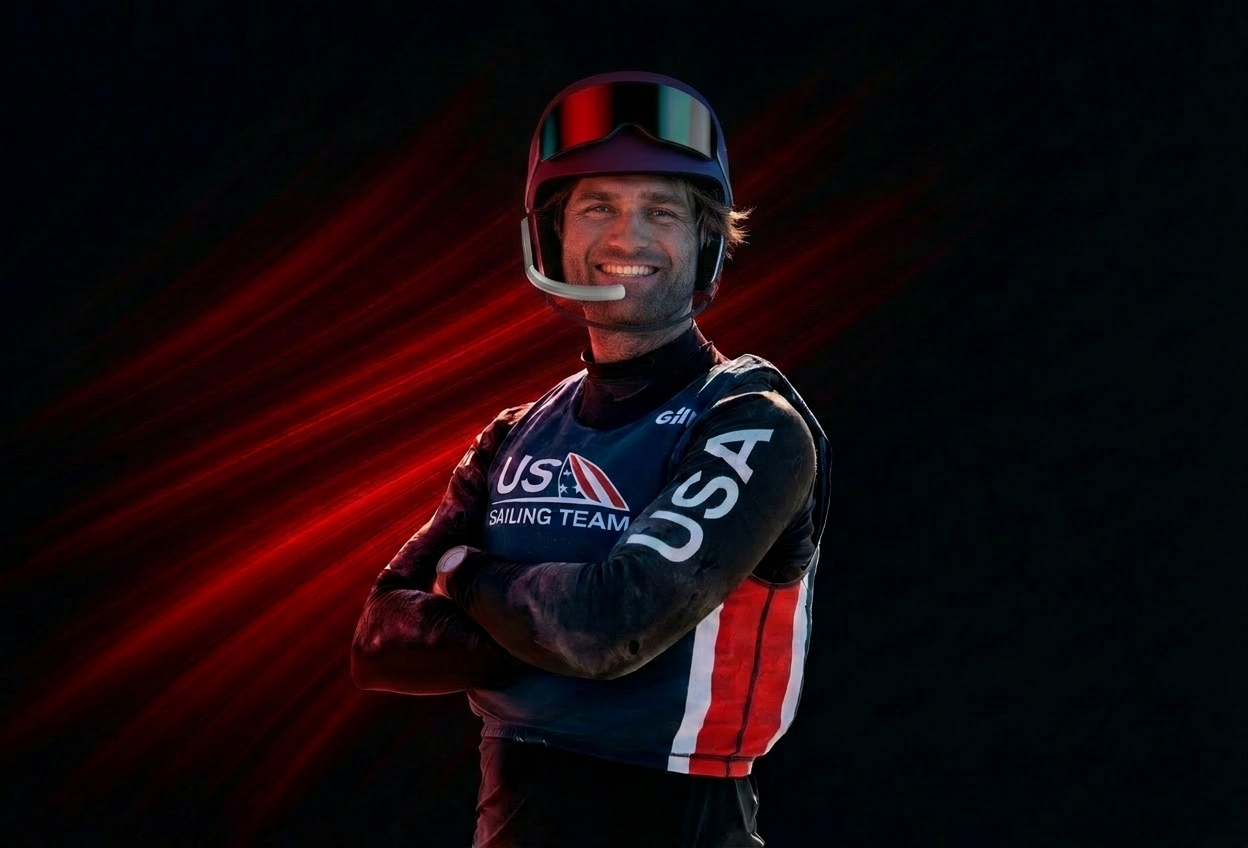
Age 26
Hans is known for his athletic power, calm competitiveness, and analytical approach to performance. Off the water, he brings a systems-minded perspective to training, teamwork, and gear — focused on marginal gains and long-term development.
Hans worked with me throughout the design process, providing key insights into the sport's demands and where current safety gear falls short.
SailGP sailors need a purpose-designed helmet system that integrates protection, communication, and visibility while enabling athlete-specific fit and circular design strategies.
Function
User Experience
Weather
Sustainability
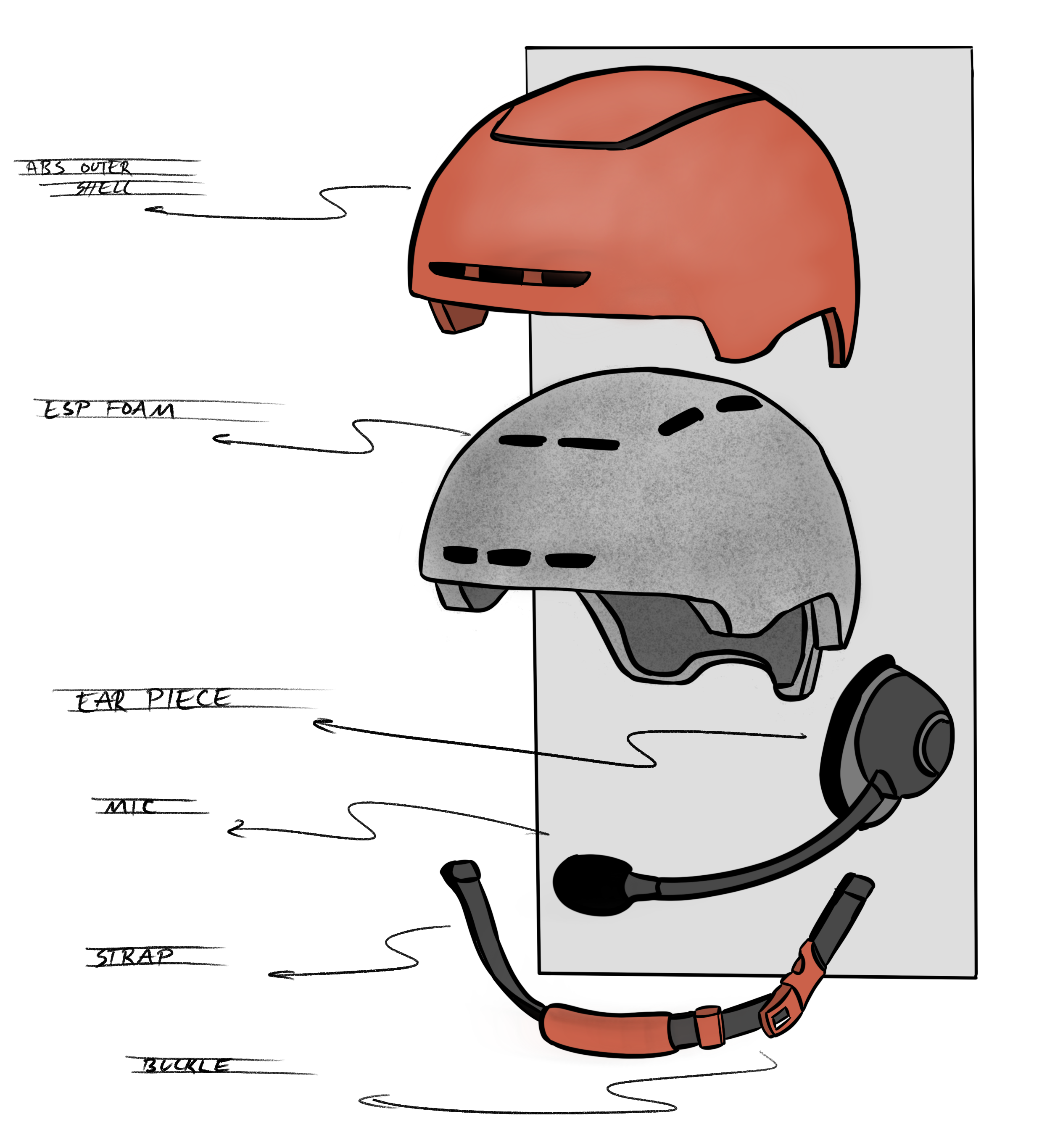
The helmet system was designed layer-by-layer — each component addressing a specific failure point in existing gear.
Problem: Single-use foam liners create waste and inconsistent protection over time.
Decision: Removable, replaceable impact cartridges decouple liner lifespan from shell lifespan.
Problem: Retrofitted communication hardware is inconsistent and prone to failure.
Decision: Integrated comms channel built into the shell structure.
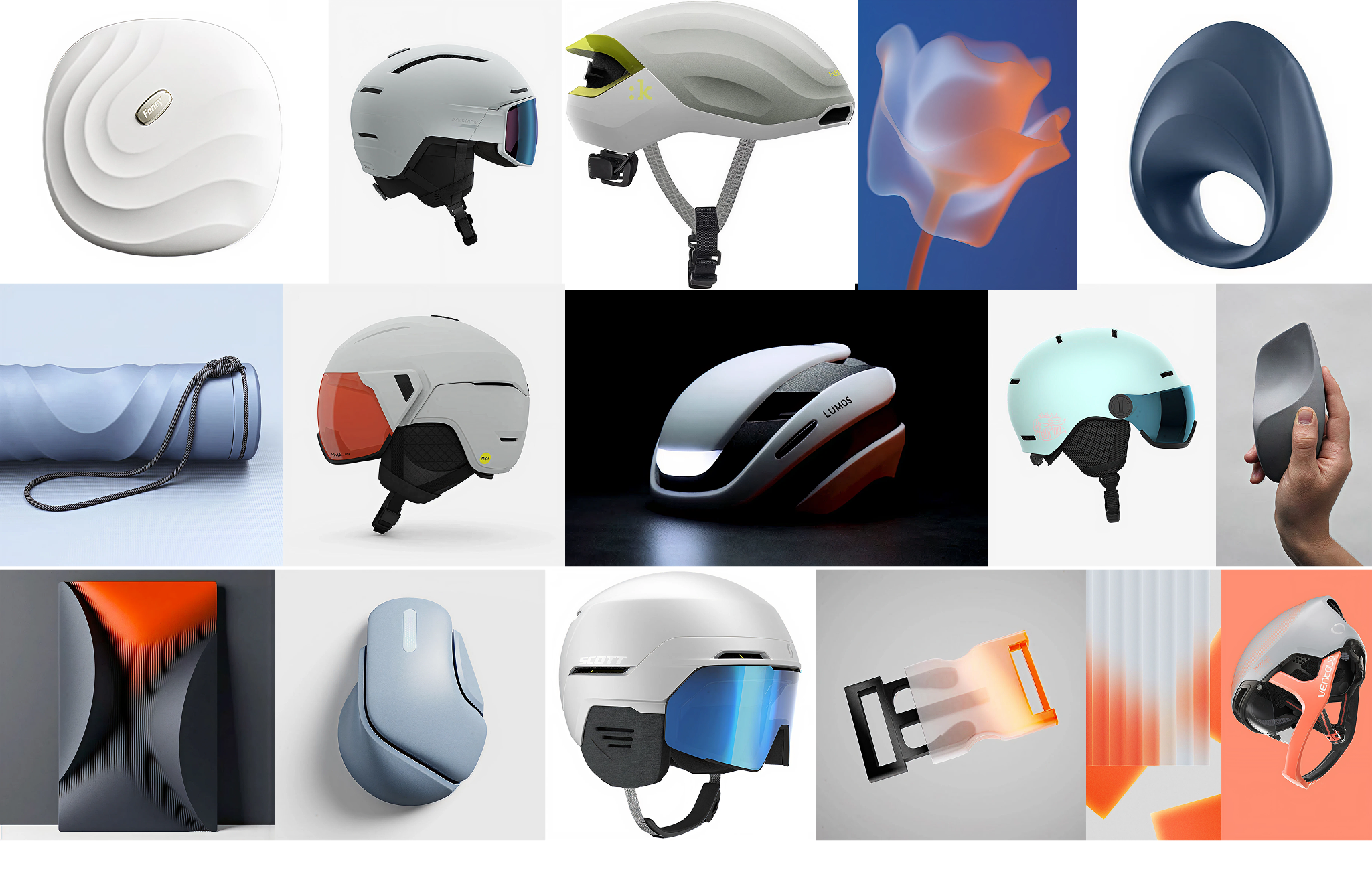
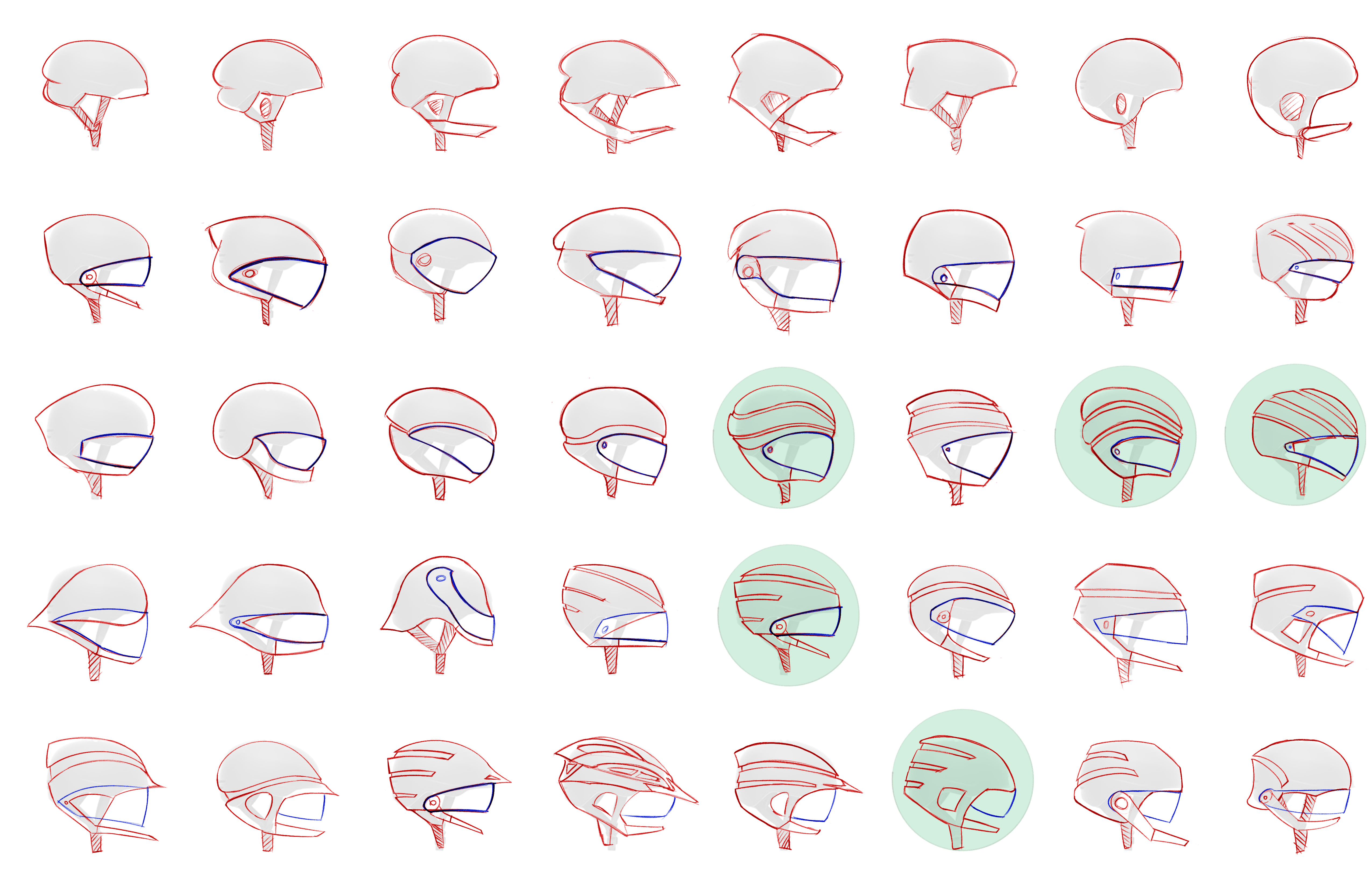
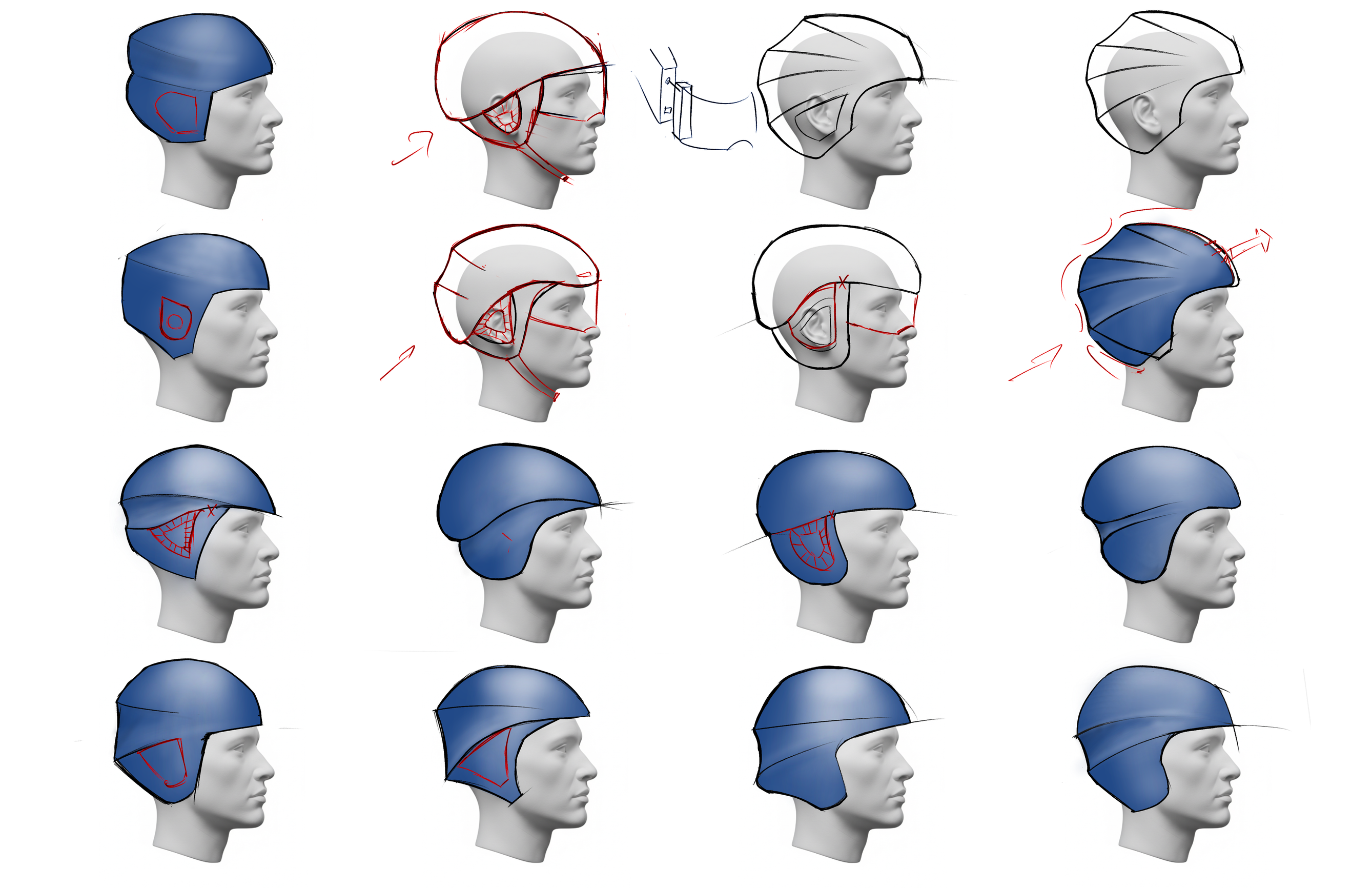
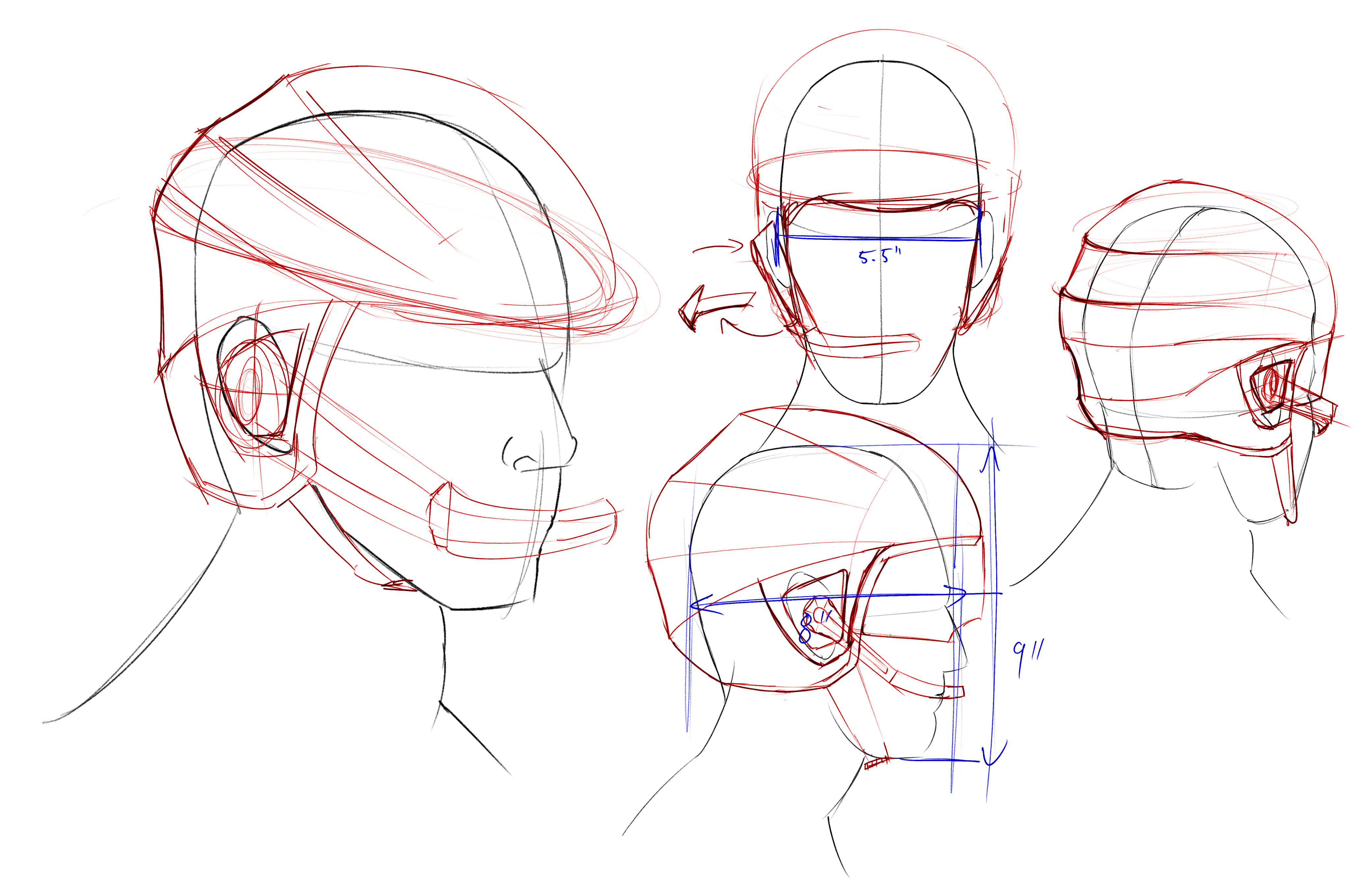
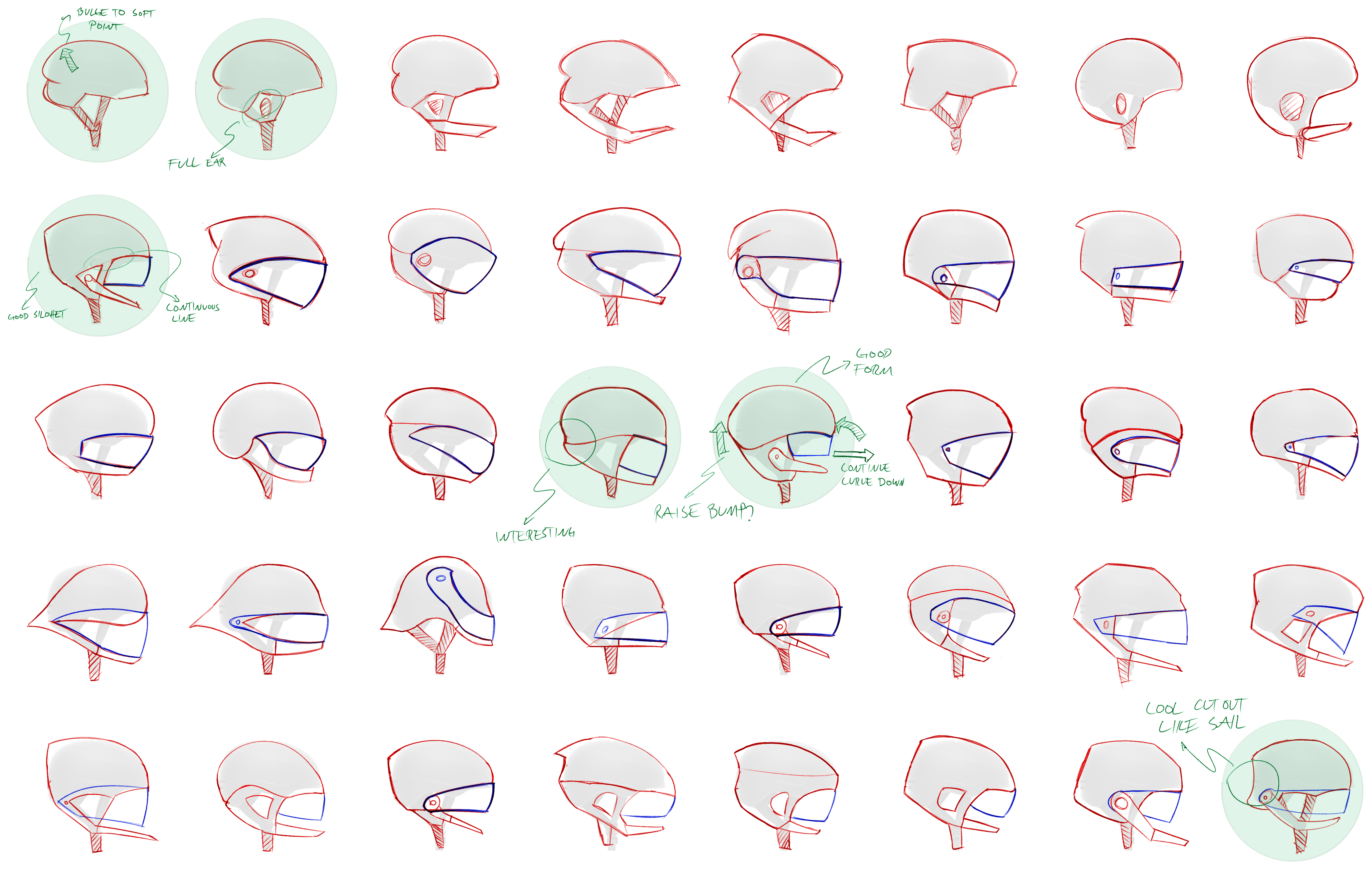
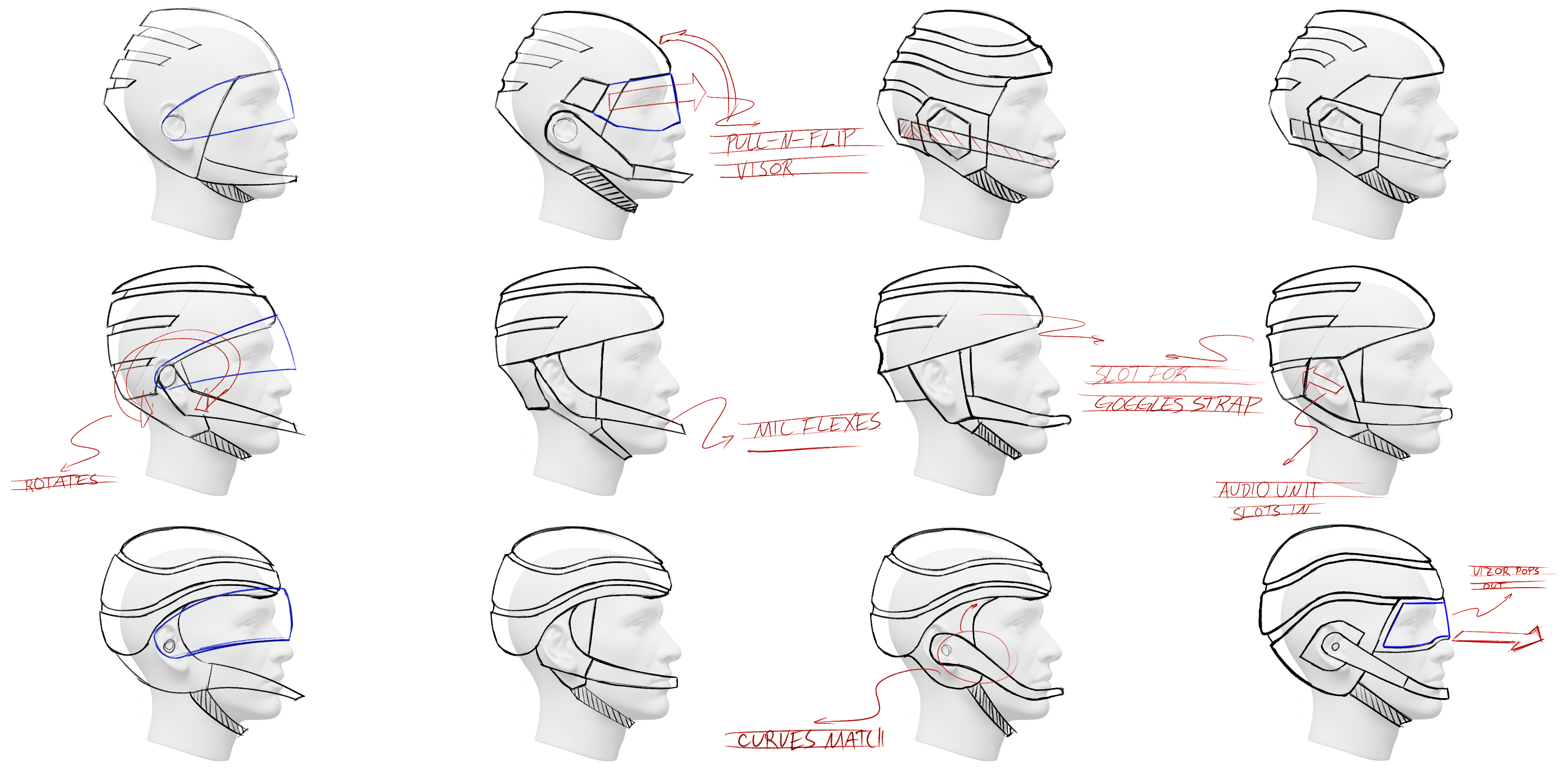
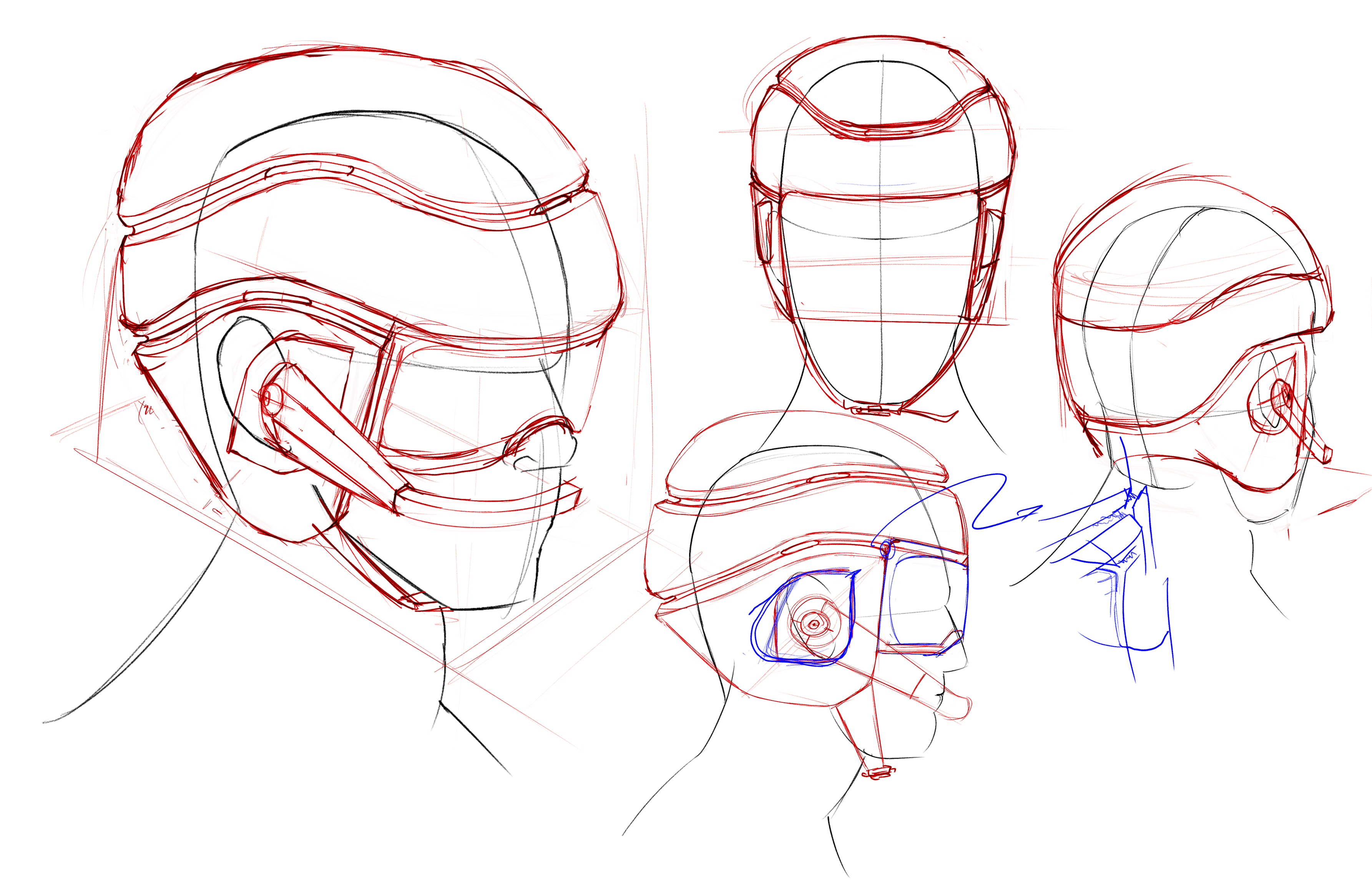
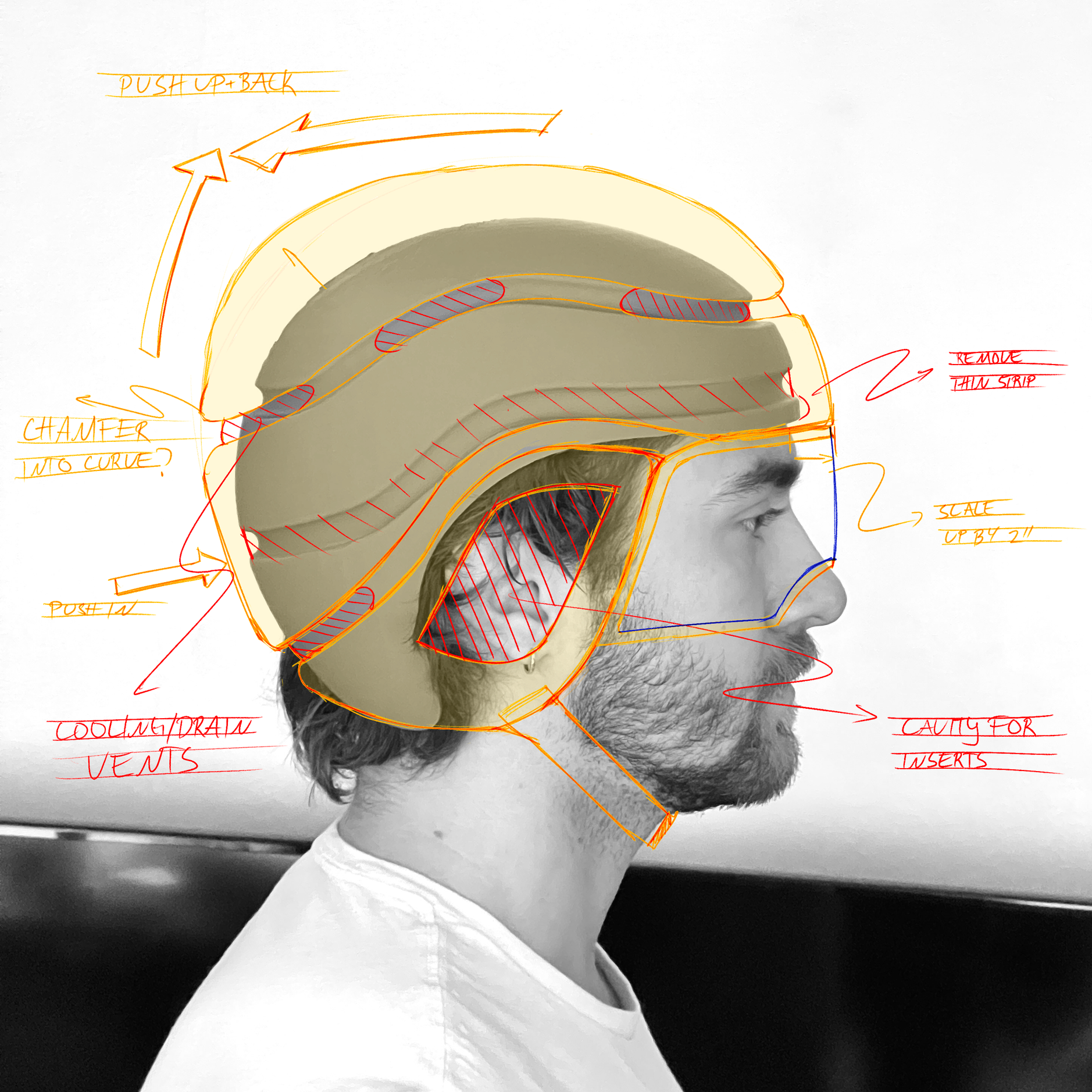
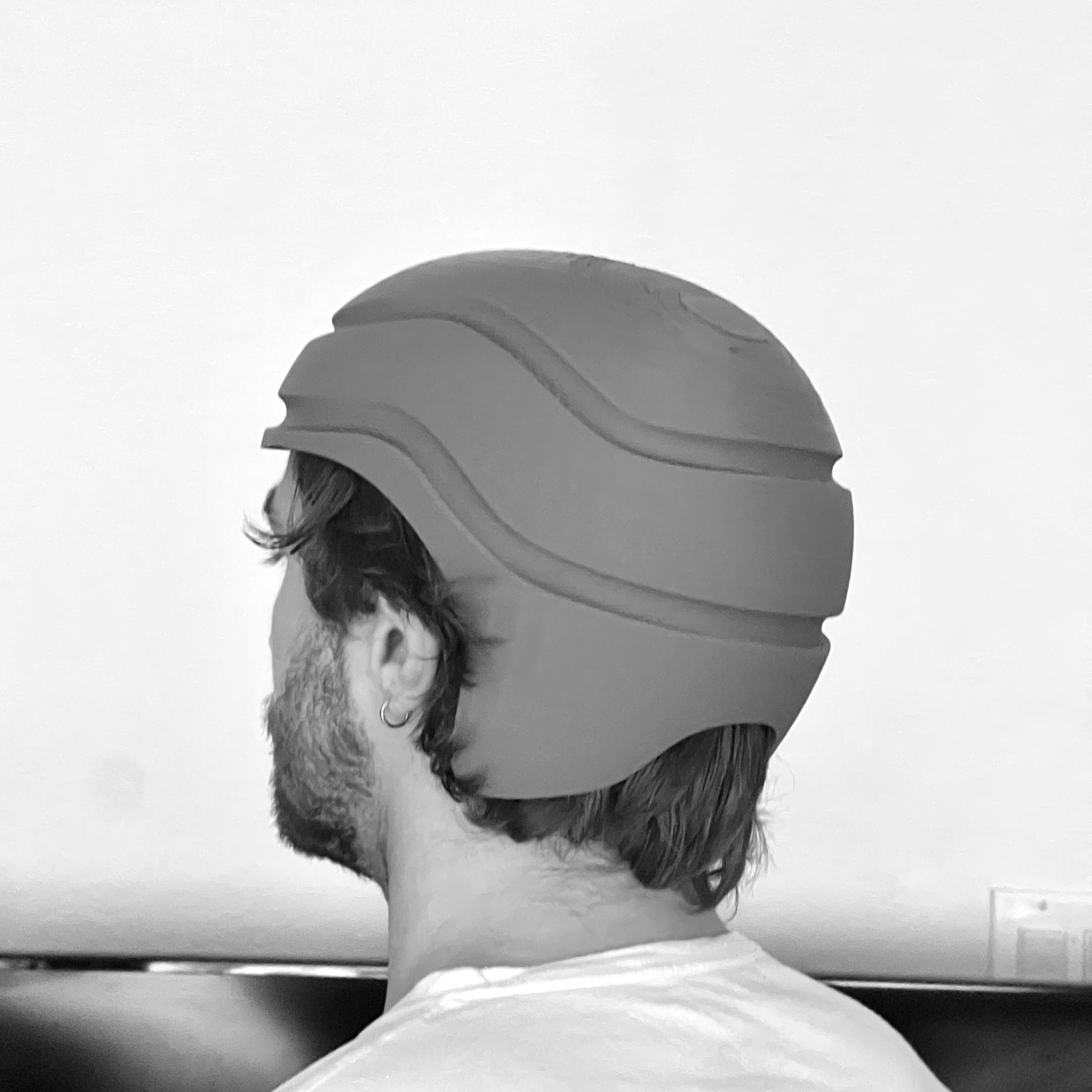
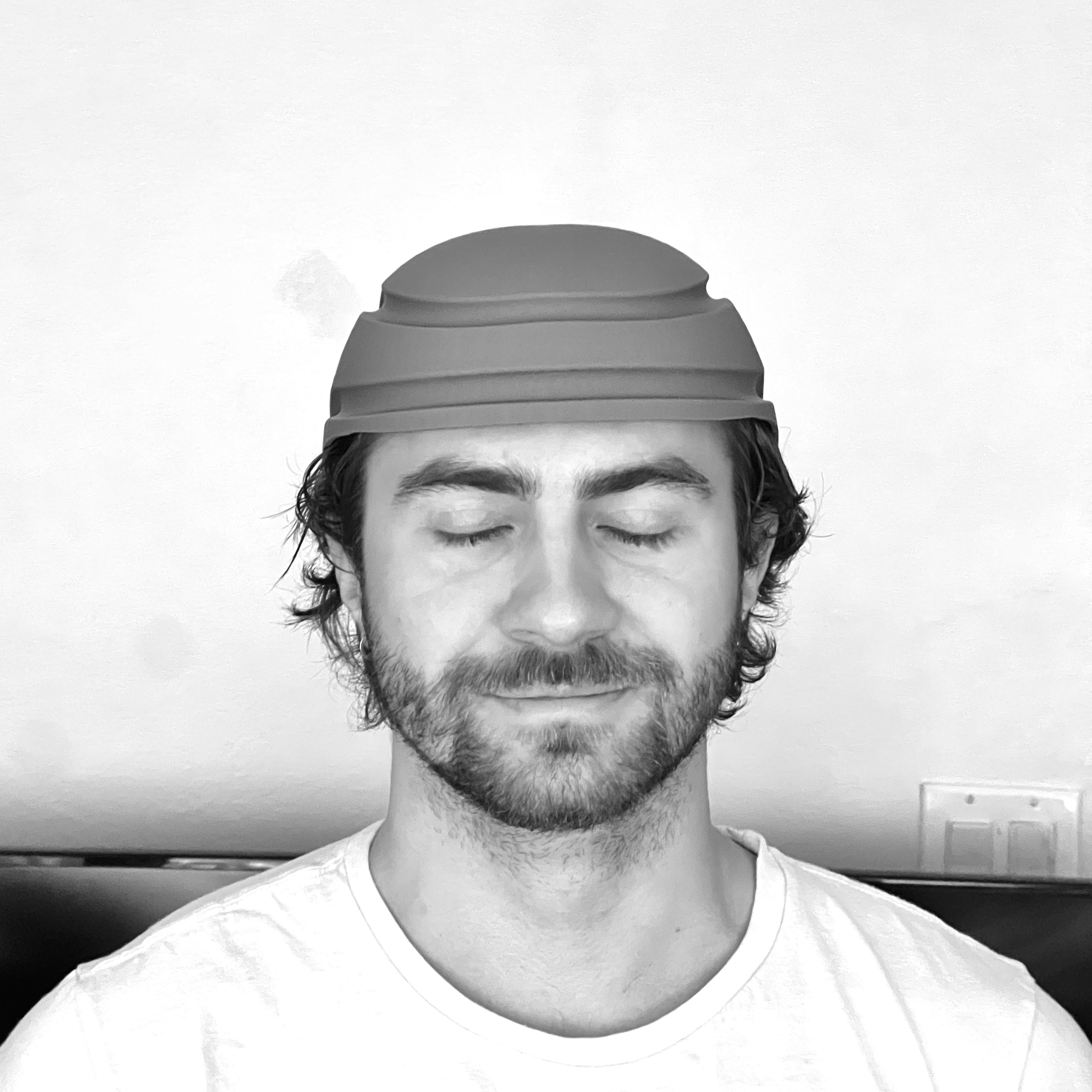
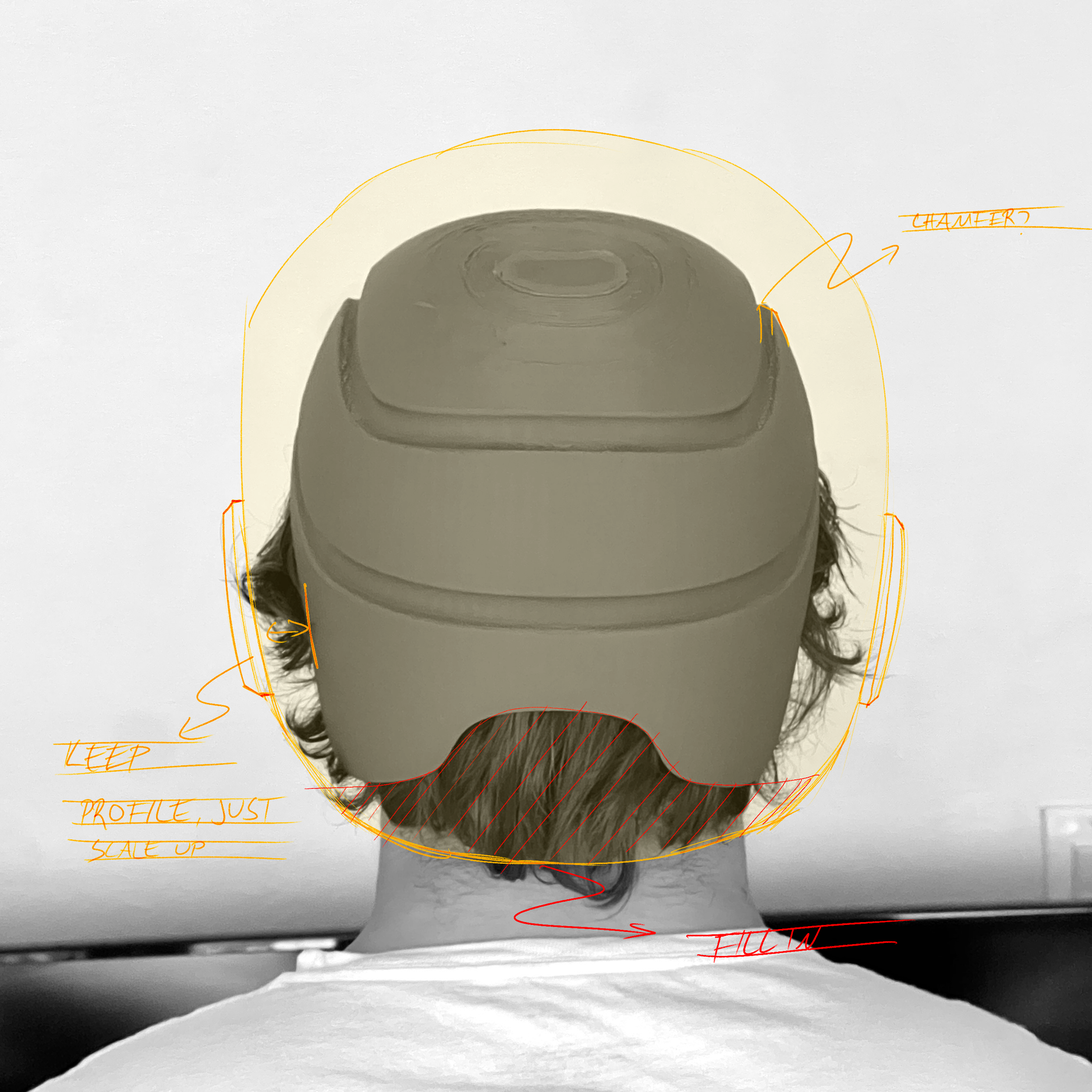
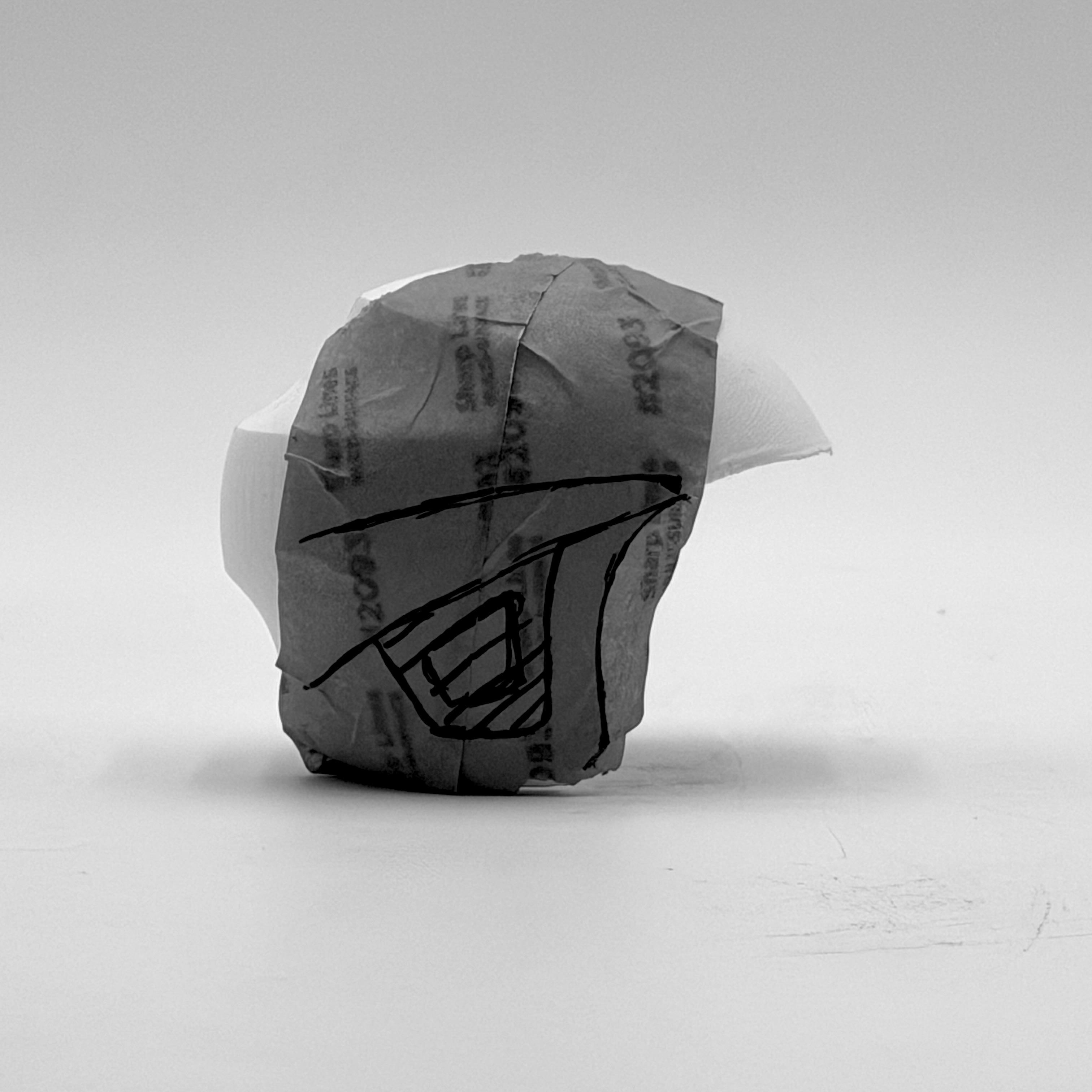
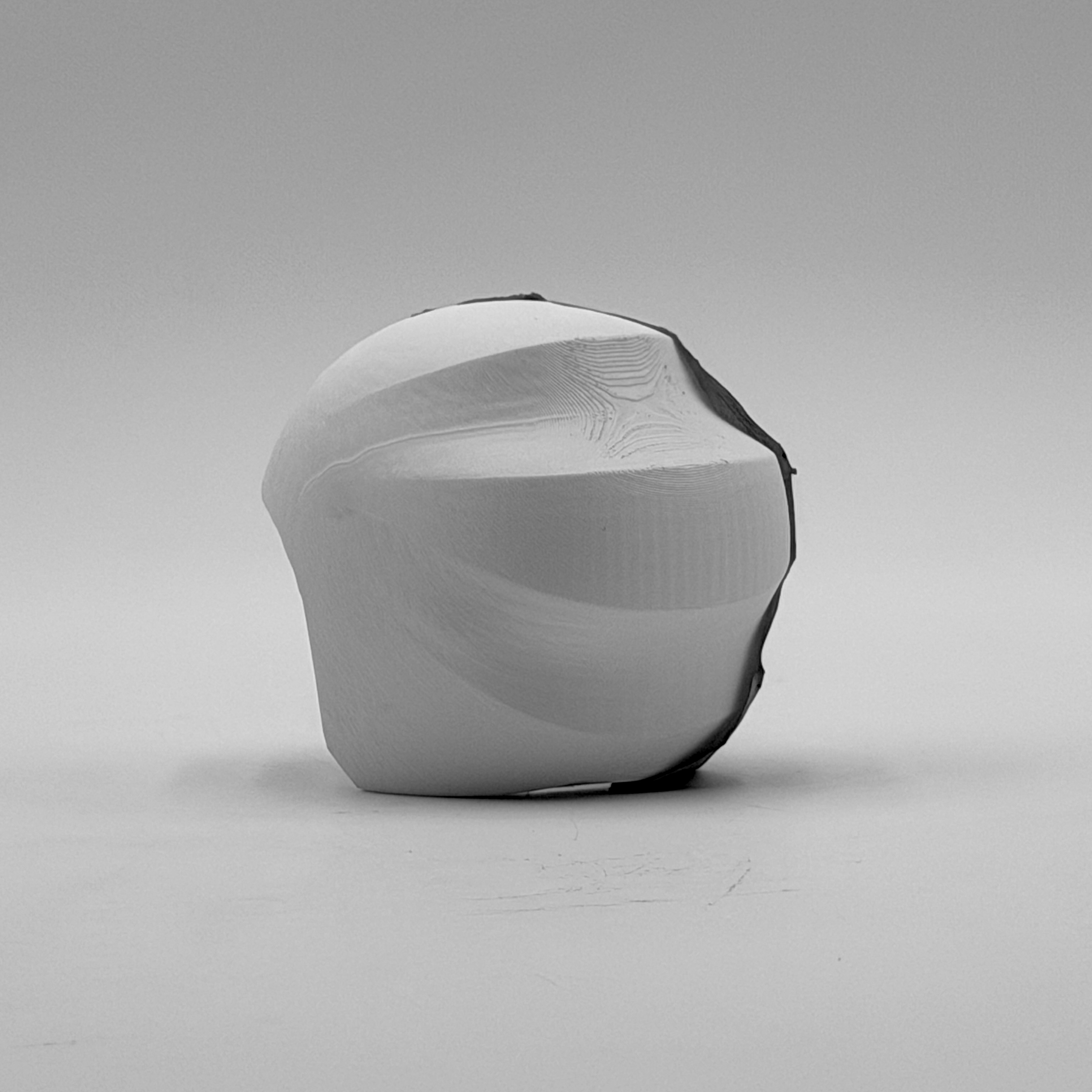
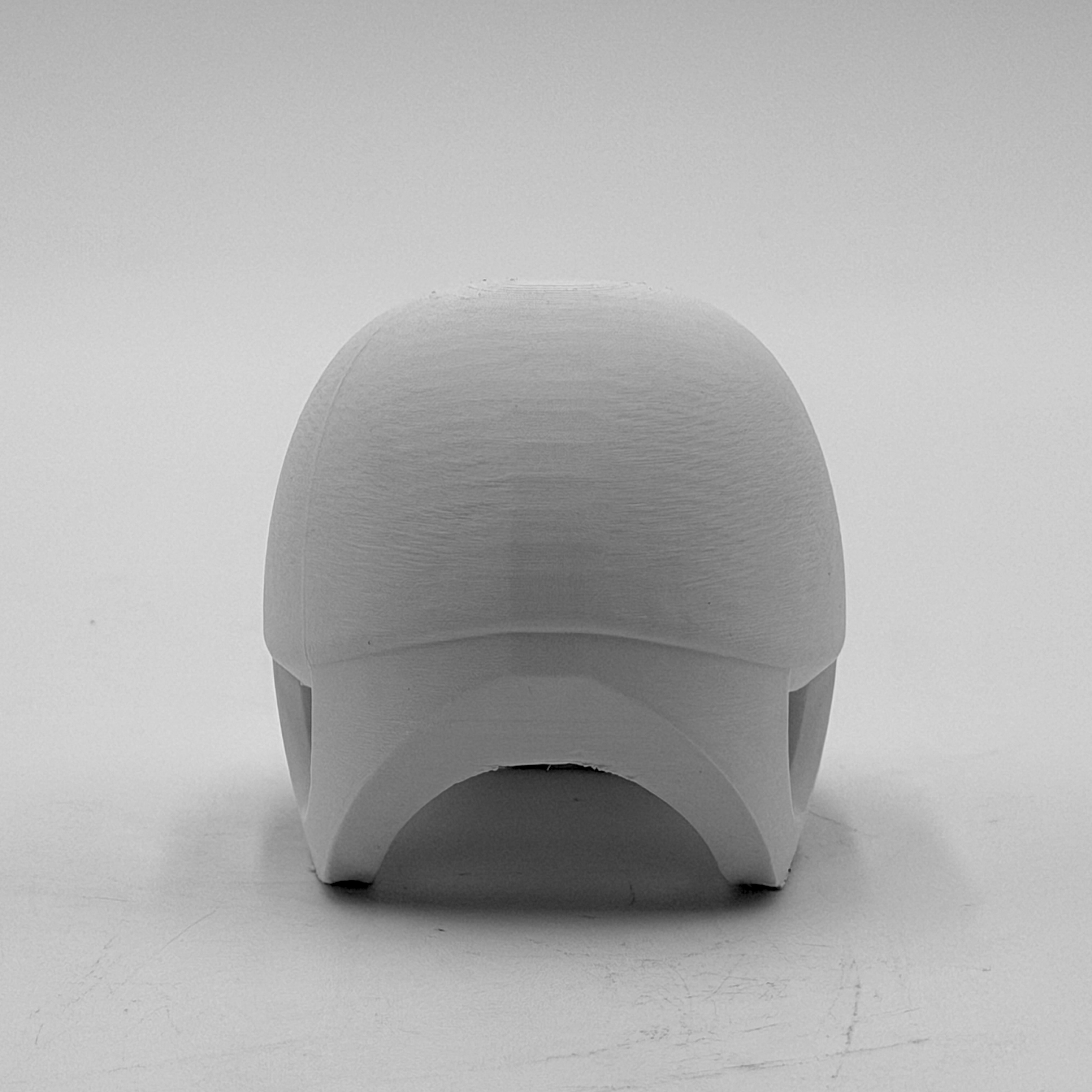
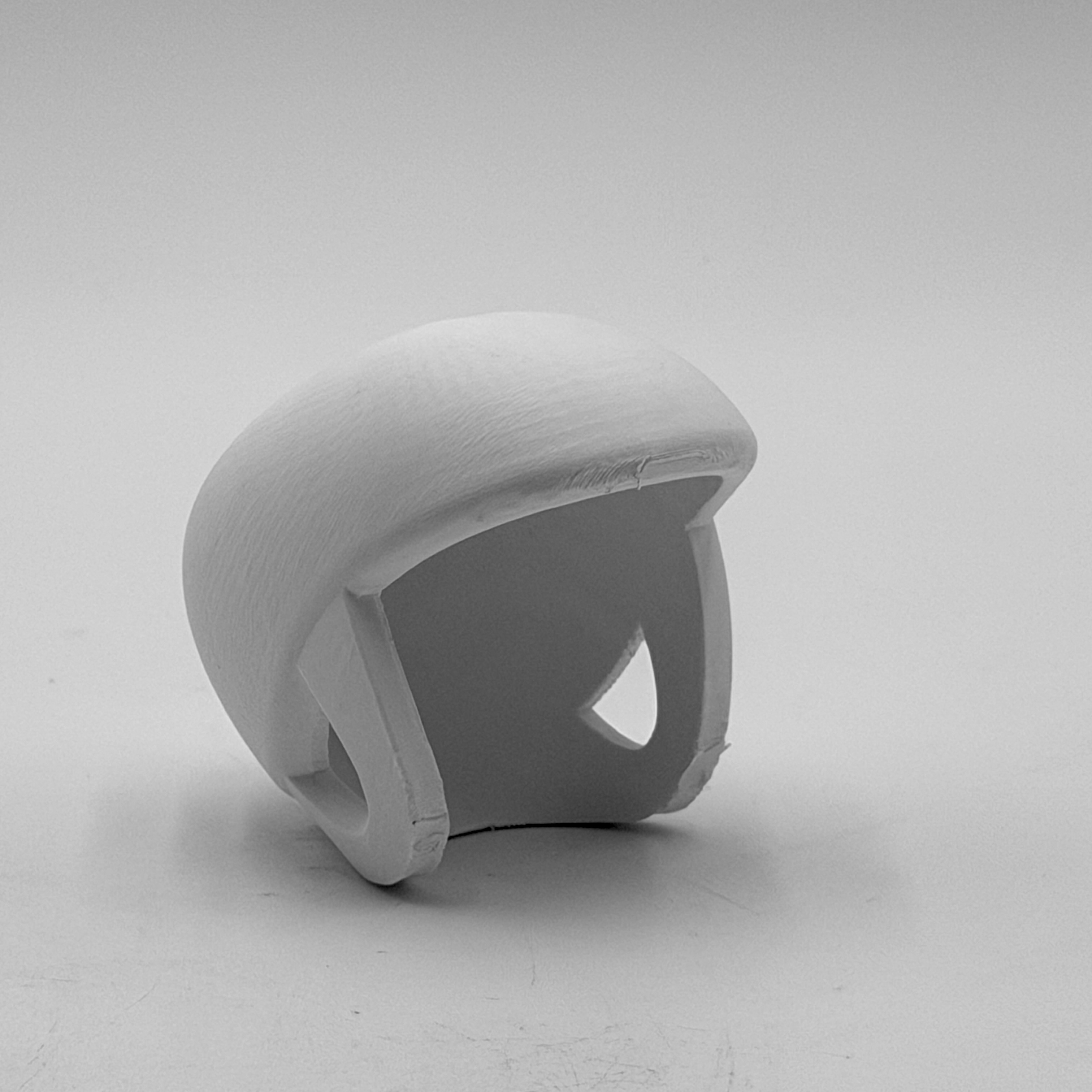
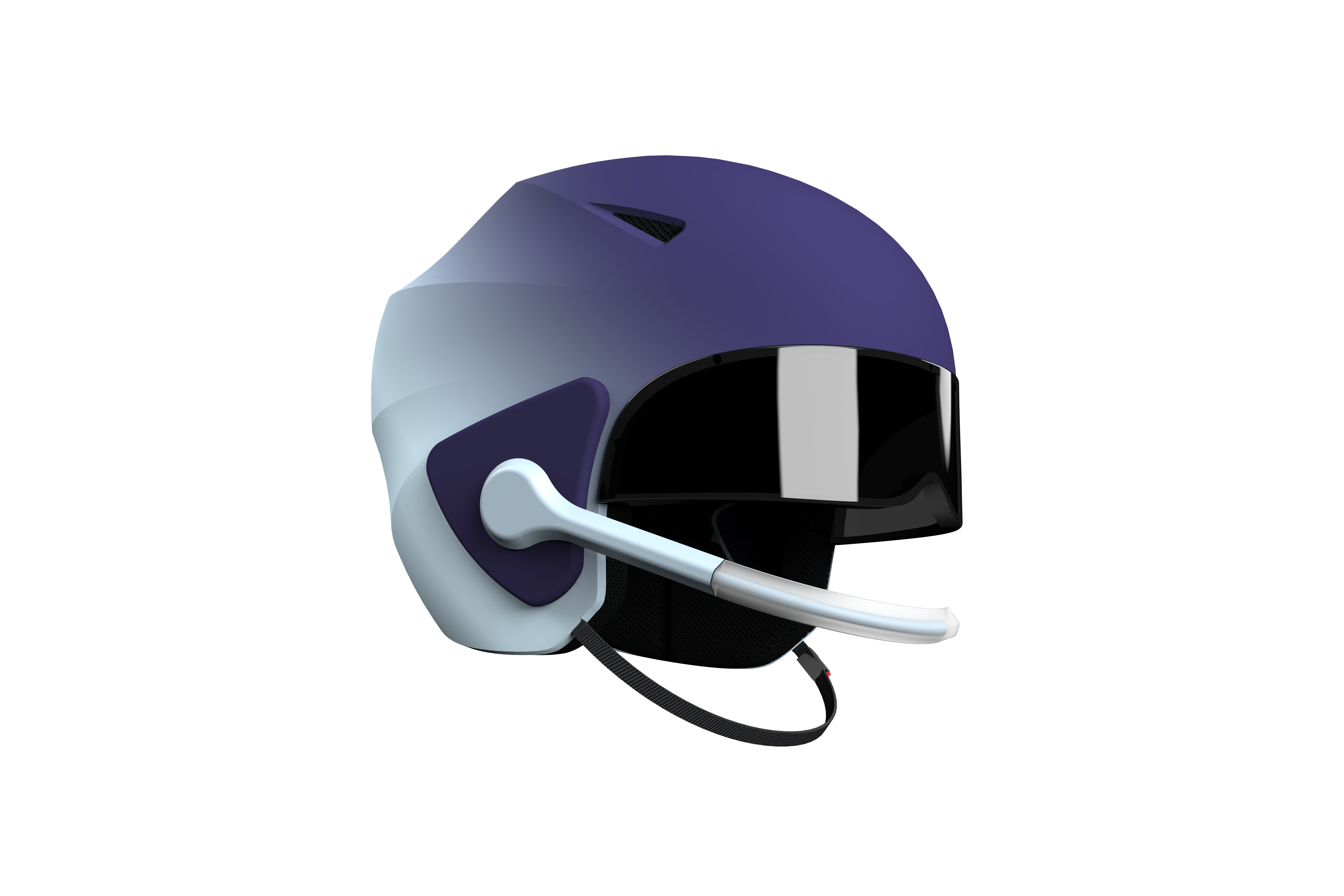
Deep research before any form work is non-negotiable for safety equipment — without understanding crash dynamics and injury patterns, early form decisions would have been structurally hollow.
Having a real user (Hans) as a design partner transformed the brief — his technical knowledge of the sport surfaced requirements that no secondary research could have found.
Designing for circularity forced every component to justify its material. Decoupling liner, shell, and comms hardware extended the useful life of each element independently.
The integration of comms into the helmet structure — rather than as an add-on — was the hardest constraint to resolve, but the most meaningful differentiator in the final system.
Get in touch
Let's work together